

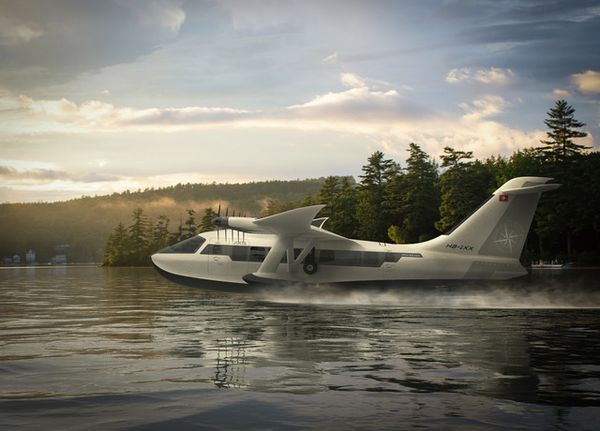
While the Golden Age of flying boats was cut short during the rise of concrete runways, Swiss startup Jekta is looking to revive this mode of transport by designing the world's first sustainable amphibious aircraft. But, as the industry races to become more sustainable, the question remains: can a hydrogen-powered “flying boat” overcome the trends that grounded its predecessors decades ago?
The History of the Seaplane
In the early 20th century, amphibious aircraft – essentially, "flying boats" – were the undisputed kings of long-distance travel. Before the development of concrete runways, the world's oceans, rivers, and lakes provided ample landing zones that didn't require any construction costs.
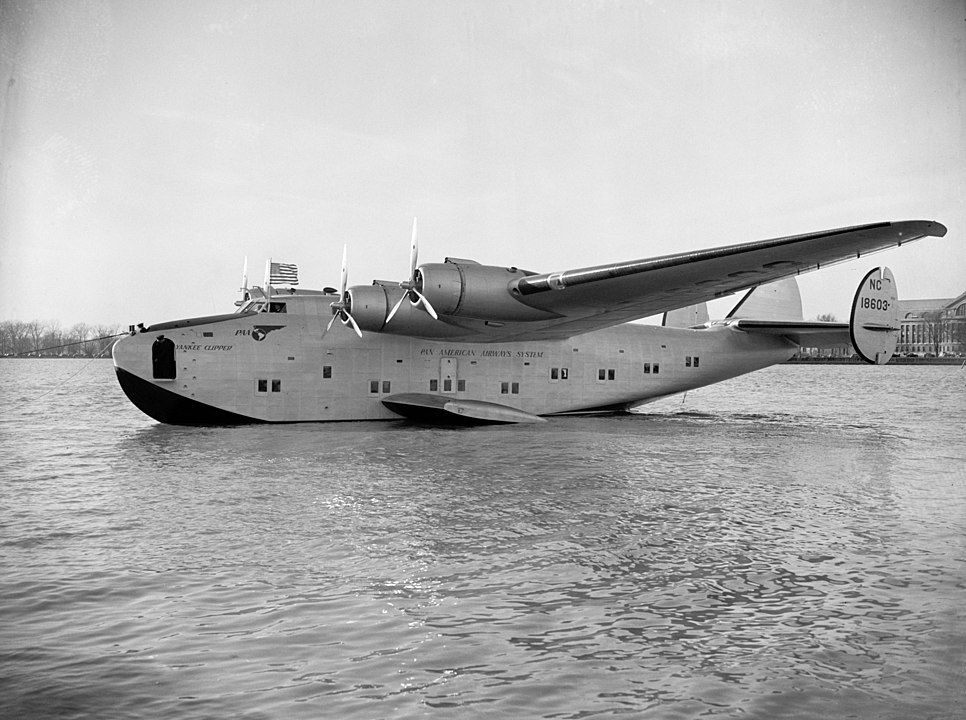
This led to the gap being bridged between land and sea, leading to a "Golden Age" where massive flying boats like the Boeing 314 Clipper became the epitome of luxurious air travel. These aircraft were also considered ideal for transoceanic air travel because, in the event of an engine failure, they could simply descend and land on the water below.
The transition to land-based aircraft was accelerated by several infrastructure shifts during World War 2. Between 1939 and 1945, the military built thousands of long, heavy-duty concrete runways across the globe to support bombers like the B-29.
Once the war ended, these airfields were repurposed for civilian use, effectively removing the primary advantage of the flying boat. Furthermore, as engine reliability improved and more aerodynamic aircraft were designed, the drag produced by a boat-shaped hull ultimately made the design obsolete. Land planes, with sleek fuselages and retractable landing gears, were much faster and more fuel-efficient, ultimately relegating flying boats to niche roles in remote regions like Alaska or the Maldives.
Resurrecting the Flying Boat
However, aerospace startup Jekta is positioning itself as the pioneer of a "Second Golden Age" of amphibious flight, by reversing the very trends that led to the decline of flying boats. The manufacturer hopes to "launch a new era of affordable, sustainable regional air mobility," essentially saving time and improving comfort for the passengers who will use its products.
The company, launched in 2022, has already made big plays in the industry, with partnerships with ZeroAvia and Innovative Air Systems already secured. The company has also secured orders for more than 100 units of its 19-passenger PHA-ZE 100 aircraft, with an expected delivery date of 2030, according to its website.
AeroXplorer recently had the opportunity to sit down with George Alafinov, CEO & Co-founder of Jekta Swiss. In conversation, he discussed the company's unique value proposition and how he sees his aircraft revolutionizing the amphibious aircraft industry.
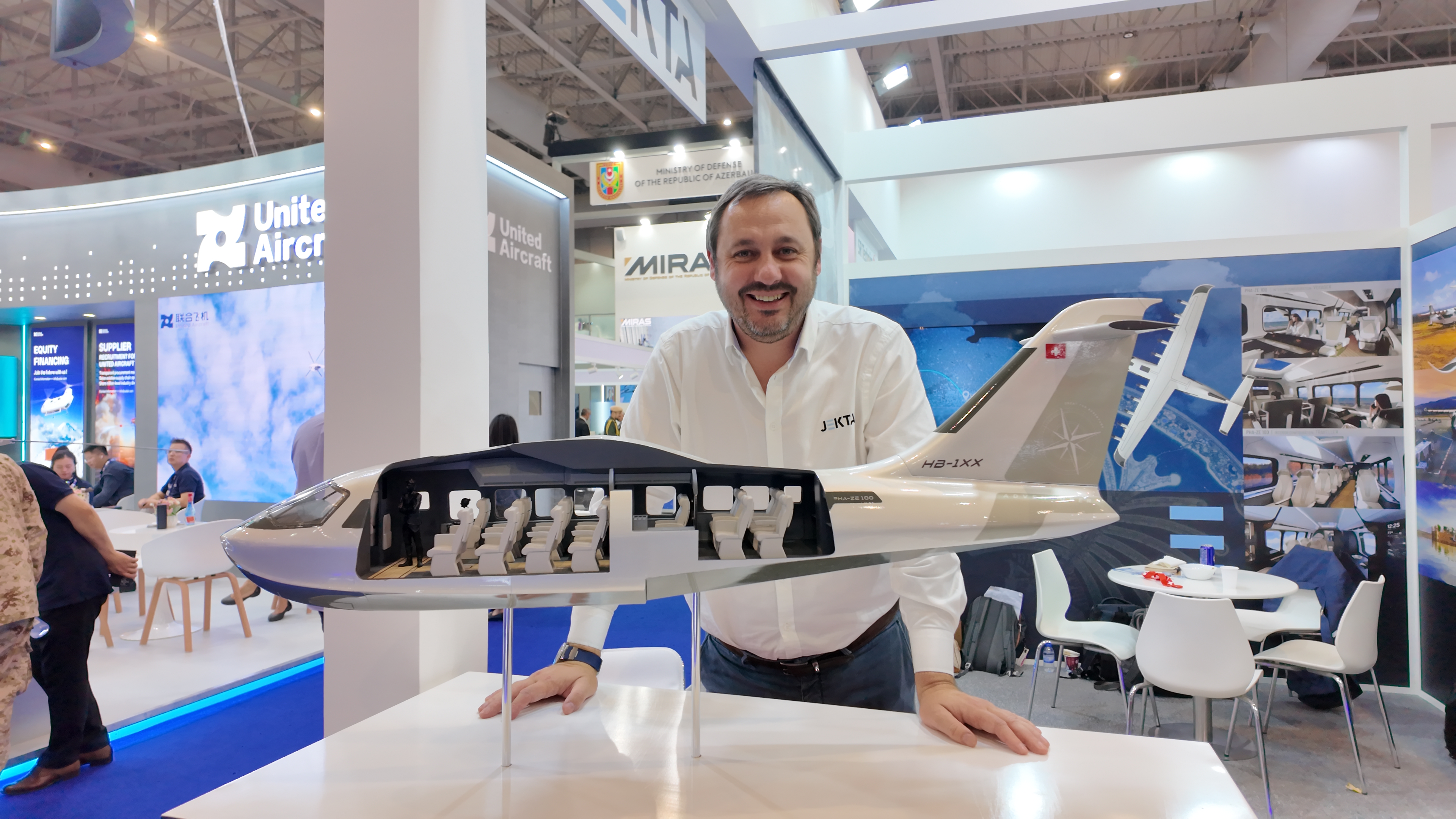
"The biggest risk we've taken is the fact that we have to integrate, as of today, hydrogen fuel cells as a source of energy. The reality today is that battery technology is not even close to being sufficient to have any potential range on the aircraft, and therefore to have any business case for the aircraft. This type of aircraft cannot be an aircraft that flies only 50 miles," Alafinov commented on the selection of PHA-ZE 100's energy source. "In our case, our target is 500 kilometers, plus reserve."
The 500-kilometer design requirement, as stated by Alafinov, is driven by the needs of Jekta's target operator profile. He shared the unique business needs of the Maldivian island-hopper market as an example:
"The Maldives Islands is the biggest operator of seaplanes in the world. Their furthest, most luxurious, and newest hotels are a distance of 200 kilometers. Such a range [500 km] allows us to fly there and back."
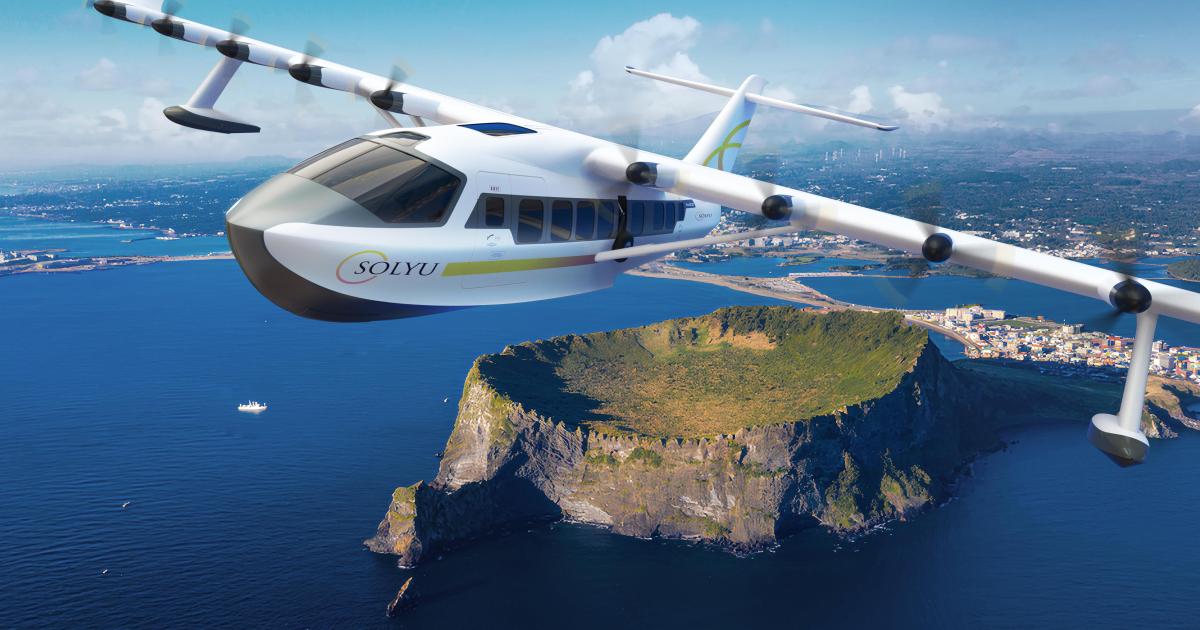
The PHA-ZE 100's amphibious nature will not only allow it to replace seaplanes, but also reduce the time it takes for passengers arriving on connecting flights to reach the door of their resort. Rather than having to arrive by plane, drive to the coast, and take a boat, which takes several hours at the least, Jekta sees passengers transferring onto one of its aircraft for a direct flight to the resort's front door. This not only saves time, but money as well.
Fiberglass at the Core of PHA-ZE 100
Jekta's PHA-ZE 100 innovation also lies in the usage of fiberglass composites, providing long-term durability and saving costs for operators. With regard to simplified repairs, Alafinov emphasized the convenience of the aircraft's fiberglass composition, specifically in maintenance use cases: "For example, a log. If it has an impact on an aircraft which is made of metal – if it has a rupture – you have to take out the whole panel and switch it, and it takes a lot of time. In fiberglass composite, all you need is the fiberglass material; it's like a fabric. You heat it up and you patch it, like you patch your pants. It can be done within hours, then you cool it – done, you can fly. That is a huge saving on the cost."

Fiberglass also presents notable cost savings with regard to long-term wear and tear. With fiberglass, "no corrosion means there's no aircraft on the ground, or in our case, on the water."
"Let's say even in the U.S., in Florida: Every evening, a Twin Otter or Caravan, they take it outside on the shore, and they wash it with freshwater, which means two to three man-hours a day lost on maintaining just the fuselage. Fiberglass doesn't need that."
The Future Remains Bright
By utilizing the planet's vast, existing water infrastructure and eliminating the environmental and financial costs of runway construction, the PHA-ZE 100 offers a rare "win-win" in the aviation sector: a path to sustainability that actually improves the passenger experience.
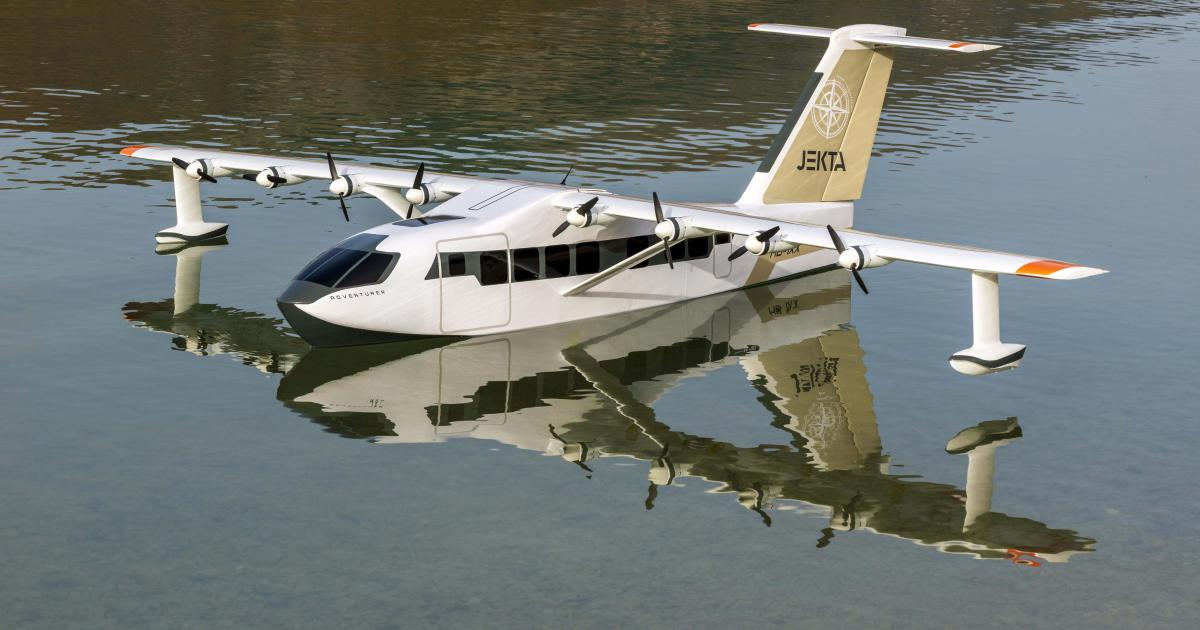
Jekta's road to 2030 remains ambitious, particularly as it navigates the complexities of hydrogen fuel cells and distributed propulsion systems. However, with more than $1.35 billion in commitments and a design that addresses the specific maintenance pain points of current seaplane operators, the company has a clear flight path to revolutionizing the future of short-range amphibious air transport.
American Airlines Regional Jet Declares Fuel Emergency After Three Failed Landing Attempts » What Aviation Insurance Usually Doesn't Cover and Why It Matters » Lufthansa City Airlines' First Airbus A220-300 Begins Assembly in Canada »
Comments (0)
Add Your Comment
TAGS
STORIES Jekta Startups Innovation Startup Travel Amphibious HistoryRECENTLY PUBLISHED
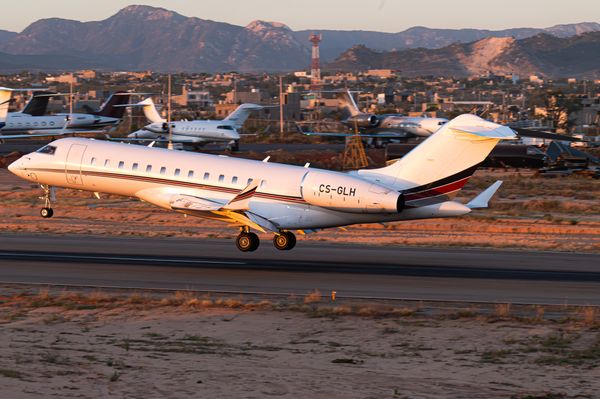 French Rafale Jet Spots Fuel Leak on Miami-Bound Global 6000 Over France
A French Air Force Rafale intercepted a Bombardier Global 6000 business jet over France after spotting a fuel leak midflight, forcing a diversion.
NEWS
READ MORE »
French Rafale Jet Spots Fuel Leak on Miami-Bound Global 6000 Over France
A French Air Force Rafale intercepted a Bombardier Global 6000 business jet over France after spotting a fuel leak midflight, forcing a diversion.
NEWS
READ MORE »
 Lufthansa A380 Clips Approach Lights at Munich Days After Boeing 787 Overruns the Same Runway
A Lufthansa Airbus A380 landed short at Munich Airport, damaging approach lights, just days after a Boeing 787 overran the same runway.
NEWS
READ MORE »
Lufthansa A380 Clips Approach Lights at Munich Days After Boeing 787 Overruns the Same Runway
A Lufthansa Airbus A380 landed short at Munich Airport, damaging approach lights, just days after a Boeing 787 overran the same runway.
NEWS
READ MORE »
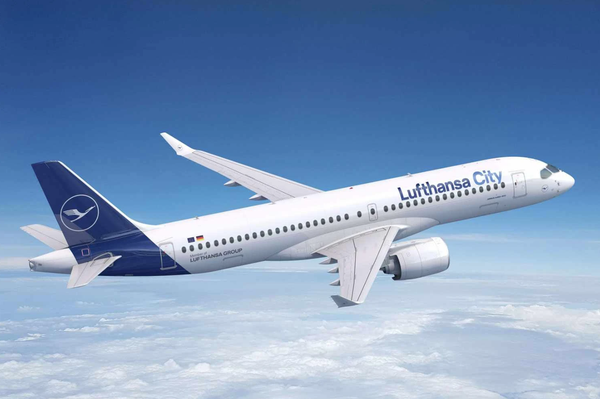 Lufthansa City Airlines' First Airbus A220-300 Begins Assembly in Canada
The first Airbus A220-300 for Lufthansa City Airlines is under construction at the Mirabel facility in Canada, marking a new phase for the carrier.
NEWS
READ MORE »
Lufthansa City Airlines' First Airbus A220-300 Begins Assembly in Canada
The first Airbus A220-300 for Lufthansa City Airlines is under construction at the Mirabel facility in Canada, marking a new phase for the carrier.
NEWS
READ MORE »
More than just headlines.
Get unlimited ad-free access to in-depth aviation news, premium stories, and exclusive insights other sites don't cover.
- Ad-free browsing on AeroXplorer
- Unlimited access to premium and exclusive articles
- Higher photo upload limits & commissions on sales
- Free access to Jetstream Magazine on higher tiers
- Ad-free browsing
- Sell aviation photos with 60% commission
- First week free!
- Everything in Basic+
- Unlimited premium articles
- Sell aviation photos with 70% commission
- Free Digital subscription to Jetstream Magazine
- First week free!
- Everything in Basic+ and Pro
- Sell aviaiton photos with 80% commission
- Early access to exclusive stories
- Free Digital+Print subscription to Jetstream Magazine