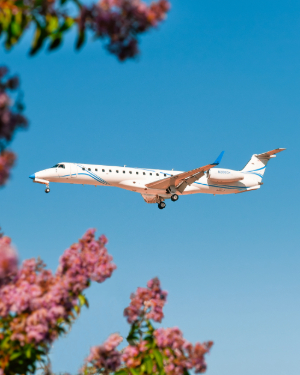


One passenger has died onboard a Singapore Airlines flight after the aircraft hit patches of severe turbulence.

On Monday May 20, a Boeing 777-300ER operating Singapore Airlines flight SQ321 between London (LHR) and Singapore (SIN) hit severe turbulence while crossing the Bay of Bengal. Flight tracking data from flightradar24.com suggests that the aircraft 321 dropped 6,000 feet in just a few minutes while passing through the severe turbulence.
28-year-old Dzafram Azmir, a passenger on the flight, recalled, “… very suddenly there was a very dramatic drop so everyone seated and not wearing a seatbelt was launched immediately into the ceiling […] some people hit their heads on the baggage cabins overhead and dented it, they hit the places where lights and masks are and broke straight through it.”
At the time, the Boeing 777-300ER was carrying 211 passengers and 18 crew members onboard.
As a result of the turbulence, the Singapore-bound 777-300ER was forced to divert to Bangkok Suvarnabhumi International Airport (BKK), landing at 15:45 local time.
After the flight landed, it was discovered that one passenger had died aboard fight 321, presumably due to injuries sustained when the flight hit severe turbulence.
"Singapore Airlines offers its deepest condolences to the family of the deceased" stated Singapore Airlines to the BBC after the incident.
Singapore Airlines has said that it was working with Thai authorities to provide medical services to passengers onboard flight SQ321, and that the airline "...was sending a team to Bangkok to provide any additional help needed…"

“I am deeply saddened to learn about the incident onboard Singapore Airlines flight SQ321 from London Heathrow to Singapore…” stated Singapore's Transport Minister Chee Hong Tat. The transport minister later added that the Singaporean government would assist passengers and families who were on board the troubled flight.
What Causes Turbulence?
Most of the time, turbulence is caused when an aircraft experiences a wind current that results in an uneven pressure gradient between the air above and below the wing. Pilots are trained to avoid weather conditions that could cause turbulent conditions. However certain types of turbulence are hard — if not impossible — to predict such as clear air turbulence which is not visible on aircraft weather radars.
Climate change is only expected to exacerbate severe turbulence in the future, with research suggesting that the frequency and severity of clear air turbulence will only increase.

The best way to avoid being injured during periods of severe turbulence is to always have the seatbelt fastened when seated, even if loose. Despite the frequency of severe turbulence increasing, there are still thousands of flights that occur every year without a hitch in the air.
Why Did Some Air India A320s Have Extra Wheels? Bogie Gear Explained » Power Bank Fire in Overhead Bin Forces IndiGo A321neo to Divert » Joby Aviation to Pay $116.9 Million in Trade Secrets Case »

Comments (0)
Add Your Comment
TAGS
NEWS Singapore Airlines Boeing Bangkok Turbulence Severe Turbulence Singapore Airlines 777-300ER Diversion IncidentRECENTLY PUBLISHED
 NetJets Expands US Footprint With Three New Private Terminals and Larger Palm Beach Facility
NetJets announces exclusive-use terminals in Dallas, Washington, and Palm Beach, expanding private aviation infrastructure across key US markets.
NEWS
READ MORE »
NetJets Expands US Footprint With Three New Private Terminals and Larger Palm Beach Facility
NetJets announces exclusive-use terminals in Dallas, Washington, and Palm Beach, expanding private aviation infrastructure across key US markets.
NEWS
READ MORE »
 Army Report Points to Systemic Failures in Deadly Black Hawk Collision Near Reagan National
A new Army report identifies systemic failures behind the January collision between a UH-60L Black Hawk and American Airlines Flight 5342 near Washington.
NEWS
READ MORE »
Army Report Points to Systemic Failures in Deadly Black Hawk Collision Near Reagan National
A new Army report identifies systemic failures behind the January collision between a UH-60L Black Hawk and American Airlines Flight 5342 near Washington.
NEWS
READ MORE »
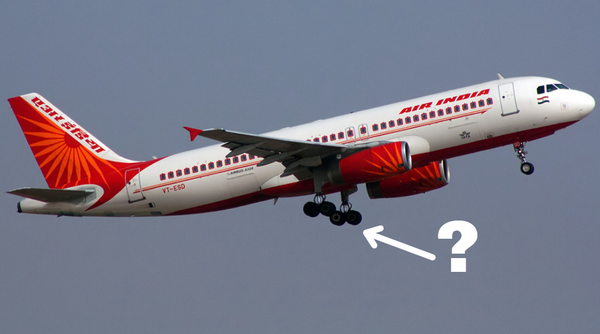 Why Did Some Air India A320s Have Extra Wheels? Bogie Gear Explained
Why Air India operated select Airbus A320s with an unusual bogie landing gear.
INFORMATIONAL
READ MORE »
Why Did Some Air India A320s Have Extra Wheels? Bogie Gear Explained
Why Air India operated select Airbus A320s with an unusual bogie landing gear.
INFORMATIONAL
READ MORE »
More than just headlines.
Get unlimited ad-free access to in-depth aviation news, premium stories, and exclusive insights other sites don't cover.
- Ad-free browsing on AeroXplorer
- Unlimited access to premium and exclusive articles
- Higher photo upload limits & commissions on sales
- Free access to Jetstream Magazine on higher tiers
- Ad-free browsing
- Sell aviation photos with 60% commission
- First week free!
- Everything in Basic+
- Unlimited premium articles
- Sell aviation photos with 70% commission
- Free Digital subscription to Jetstream Magazine
- First week free!
- Everything in Basic+ and Pro
- Sell aviaiton photos with 80% commission
- Early access to exclusive stories
- Free Digital+Print subscription to Jetstream Magazine