
A normal Friday afternoon at San Diego International Airport almost turned deadly in the United States' latest ATC close call. Is the aviation industry becoming more dangerous?

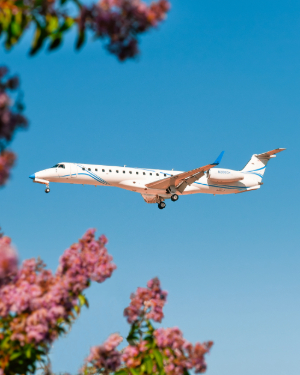
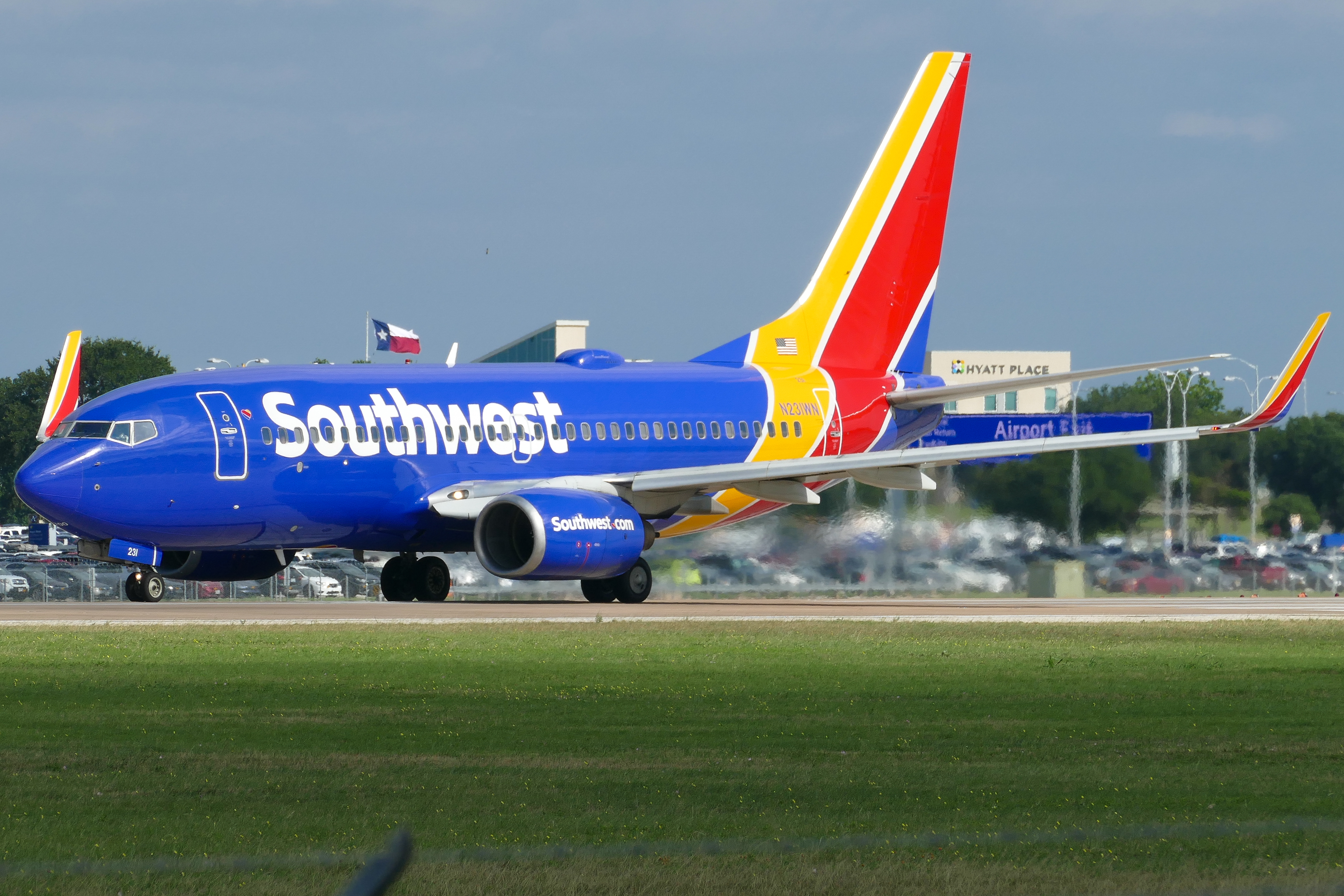
Just before 12:00 PDT (19:00 UTC) on Friday, August 11, an air traffic controller at San Diego International Airport clears Southwest Flight 2493, a Boeing 737-800 (N7734H) to line up on the airport's runway 27 and await takeoff clearance. Just seconds after giving these instructions, the same air traffic controller clears a Cessna Citation 560X business jet to land on the same runway.
As the Cessna business jet nears Southwest 2493, approaching the same runway, the airport's automated surface surveillance system (ASSS), alerts the air traffic controller of their mishap. The Cessna jet is ordered to go around by the air traffic controller. According to a government/agency official briefed on the incident, the Cessna business jet passed above the Southwest 737-800 waiting on runway 27 by "around 100 feet".

On Saturday, August 12, Southwest Airlines released a statement claiming that the airline was working with the FAA on investigating the close call - “...Our aircraft departed without event and the flight operated normally, with a safe landing...as scheduled...”
Unfortunately Not the First Time
This San Diego incident is part of a recent string of aviation close calls and near collisions that U.S. regulators are having to investigate. In 2023, there have been seven major incidents involving commercial airlines. The most notable of which occurred in February, when a JetBlue Embraer E190 landing at Boston Logan Int'l Airport (BOS) came within 400 (vertical) feet of a charter aircraft taking off of an intersecting runway at the busy airport. According to the NTSB (obtained via Reuters), the JetBlue aircraft was only 30 feet from the intersecting runway where the charter aircraft was taking off when the aircraft was ordered by ATC to go around.
In March, the United States Federal Aviation Administration (FAA) held a safety summit, issuing a safety alert to airlines stressing the "...need for continued vigilance and attention to mitigation of safety risks..." That same month, the FAA announced that it was taking steps to improve the air traffic control situation within the United States, with the government organization telling ATC employees “...There is no question we are seeing too many close calls...”

While there are likely many reasons behind the recent increase in close calls, the most likely culprit has to do with working hours, stress, and the general atmosphere of the aviation industry in 2023. Employees in all sectors of the aviation industry are under ever-increasing pressure from airlines to keep flights on time, which involves them working harder to push out more flights on time. From pilots to air traffic controllers, to baggage handlers - they are all under that increasing pressure.
The increasing amount of flights in already crowded airspace and into ever more crowded airports are making the job of an air traffic controller harder, as ATC employees are required to keep minimum vertical and horizontal spacing between flights as per United States aviation safety regulations.
One solution that could result in a decrease in dangerous close calls is to provide air traffic controllers with higher wages, and better working hours. Currently, there is a shortage of both pilots and ATC workers within the United States aviation industry due to the aforementioned issues. Should training be improved, as well as more employees hired, these issues could disappear entirely.
Currently, Southwest Airlines, along with the FAA and NTSB are cooperating with each other in investigating the incident.
Southwest Airlines Blames Brief System Outage for Boarding Delays and Checked Bag Disruptions » United 777 Diverts to Dublin After Cockpit Windscreen Cracks Over the Atlantic » KLM Brings Starlink Internet to Long-Haul Flights »

Comments (1)
 PAUL ROLD
Could the problem possibly be the lowering of the bar over the past 15 years? The focus on diversity over safety? That new employees have no incentive to perform once they are checked. Or, once they are certified you need to have an additional employee monitor them because they are that marginally safe.. ? Controllers are very well compensated for the amount of hours they actually work..On a typical 8 hour rotation an employee might actually work 5.5 hours at best.
PAUL ROLD
Could the problem possibly be the lowering of the bar over the past 15 years? The focus on diversity over safety? That new employees have no incentive to perform once they are checked. Or, once they are certified you need to have an additional employee monitor them because they are that marginally safe.. ? Controllers are very well compensated for the amount of hours they actually work..On a typical 8 hour rotation an employee might actually work 5.5 hours at best.
Add Your Comment
TAGS
NEWS Aviation Safety Boeing Southwest 737-800 737 Cessna San Deigo San Diego Air Traffic Control ATCRECENTLY PUBLISHED
 NetJets Expands US Footprint With Three New Private Terminals and Larger Palm Beach Facility
NetJets announces exclusive-use terminals in Dallas, Washington, and Palm Beach, expanding private aviation infrastructure across key US markets.
NEWS
READ MORE »
NetJets Expands US Footprint With Three New Private Terminals and Larger Palm Beach Facility
NetJets announces exclusive-use terminals in Dallas, Washington, and Palm Beach, expanding private aviation infrastructure across key US markets.
NEWS
READ MORE »
 Army Report Points to Systemic Failures in Deadly Black Hawk Collision Near Reagan National
A new Army report identifies systemic failures behind the January collision between a UH-60L Black Hawk and American Airlines Flight 5342 near Washington.
NEWS
READ MORE »
Army Report Points to Systemic Failures in Deadly Black Hawk Collision Near Reagan National
A new Army report identifies systemic failures behind the January collision between a UH-60L Black Hawk and American Airlines Flight 5342 near Washington.
NEWS
READ MORE »
 Why Did Some Air India A320s Have Extra Wheels? Bogie Gear Explained
Why Air India operated select Airbus A320s with an unusual bogie landing gear.
INFORMATIONAL
READ MORE »
Why Did Some Air India A320s Have Extra Wheels? Bogie Gear Explained
Why Air India operated select Airbus A320s with an unusual bogie landing gear.
INFORMATIONAL
READ MORE »
More than just headlines.
Get unlimited ad-free access to in-depth aviation news, premium stories, and exclusive insights other sites don't cover.
- Ad-free browsing on AeroXplorer
- Unlimited access to premium and exclusive articles
- Higher photo upload limits & commissions on sales
- Free access to Jetstream Magazine on higher tiers
- Ad-free browsing
- Sell aviation photos with 60% commission
- First week free!
- Everything in Basic+
- Unlimited premium articles
- Sell aviation photos with 70% commission
- Free Digital subscription to Jetstream Magazine
- First week free!
- Everything in Basic+ and Pro
- Sell aviaiton photos with 80% commission
- Early access to exclusive stories
- Free Digital+Print subscription to Jetstream Magazine