
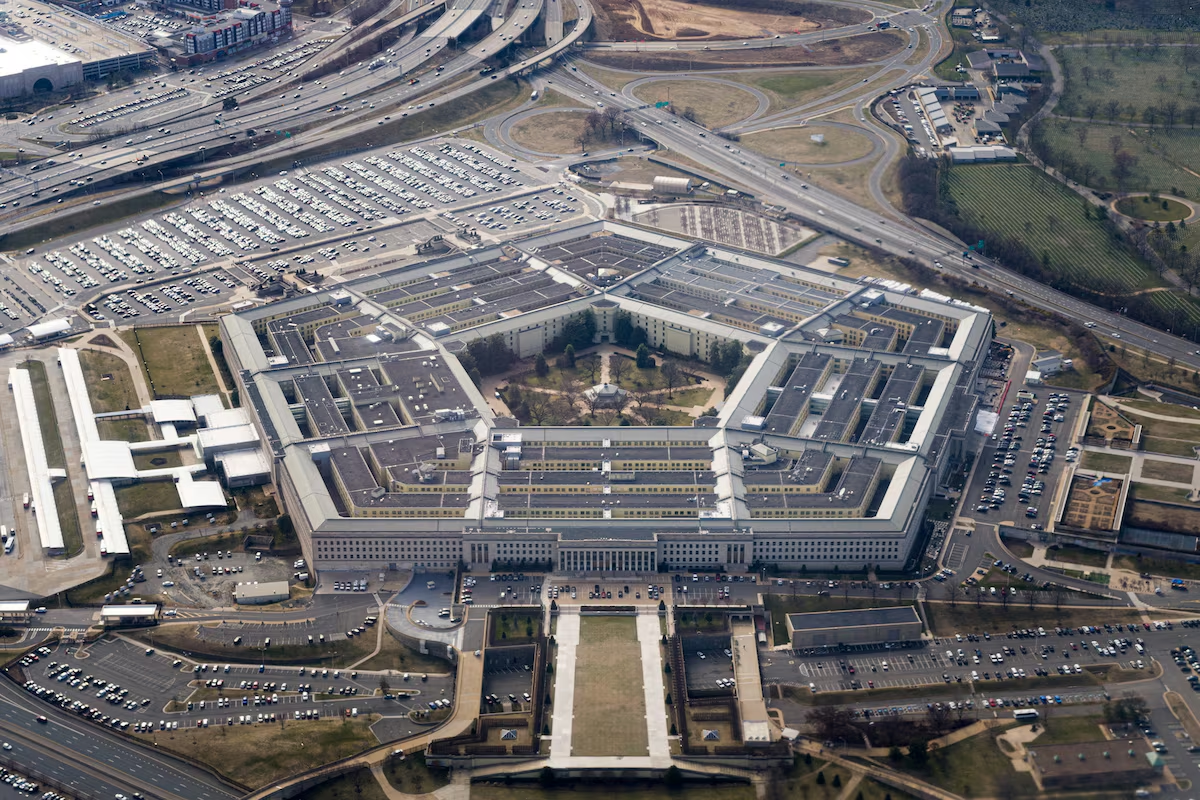

Hackers have breached Cloud One, the U.S. Air Force's flagship cloud computing platform, according to reports published on November 27, 2026. The intrusion has raised serious concerns about the exposure of sensitive government information and the security of one of the Pentagon's most relied upon digital environments.
Cloud One serves as a central computing platform used by the Air Force and other components of the Department of Defense. It hosts a wide array of applications and data essential to military operations, logistics, and administrative functions. A breach of this scale carries significant implications for national security and the integrity of federal information systems.
What investigators know so far
According to the reports, unauthorized actors gained access to the platform, potentially exposing sensitive data stored within its systems. Officials have not yet publicly detailed the full extent of the compromise, including how many records may have been affected or the specific categories of information accessed.
The breach adds to a growing list of cybersecurity incidents involving federal contractors and government cloud environments. Cloud One was designed to consolidate a sprawling collection of legacy systems into a modern, centrally managed environment. That consolidation, while intended to strengthen oversight and reduce redundancy, also creates concentrated risk when attackers succeed in penetrating its defenses.
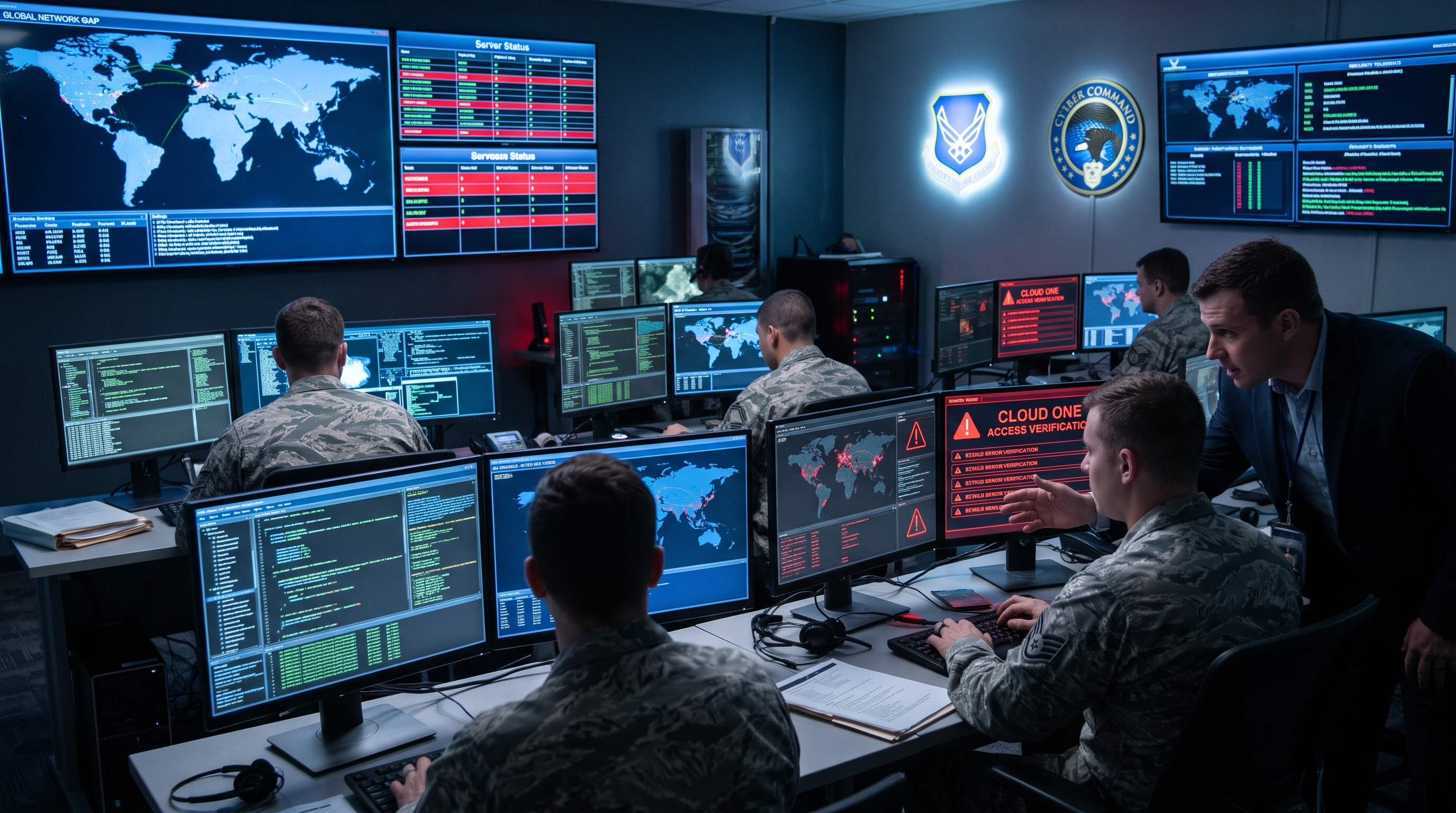
Why Cloud One matters
Cloud One hosts hundreds of applications used across the Air Force and other Defense Department organizations. The platform supports everything from routine administrative tools to mission-critical systems. Because of the breadth of its use, any compromise can ripple across multiple commands and agencies.
The platform is operated under contracts with major commercial cloud providers, reflecting the Pentagon's broader strategy of relying on private sector infrastructure to deliver computing services at scale. This hybrid model has delivered efficiencies, but it has also introduced new points of exposure that adversaries continue to probe.
Potential consequences for national security
Security analysts have long warned that centralized cloud platforms used by the military present attractive targets for foreign intelligence services and sophisticated criminal groups. The information stored within Cloud One could include personnel records, procurement data, operational planning documents, and communications that, if obtained by hostile actors, could provide significant intelligence value.
The Air Force has not confirmed whether classified information was involved in the breach. Cloud One is generally used for unclassified but sensitive data, though the distinction does not diminish the risk. Aggregated unclassified information can still reveal patterns and vulnerabilities that adversaries can exploit.
Hindenburg: The Disaster That Ended the Airship Age
Response from the Air Force and federal agencies
Federal cybersecurity teams typically respond to incidents of this nature by isolating affected systems, conducting forensic analysis, and coordinating with partners across the intelligence community. The Cybersecurity and Infrastructure Security Agency, the National Security Agency, and the Federal Bureau of Investigation often participate in such investigations alongside military cyber units.
Officials are expected to review access logs, examine the methods used by the attackers, and determine whether any persistent presence remains within the platform. The investigation will likely focus on identifying the initial point of entry and whether the breach originated from a software vulnerability, a compromised credential, or a supply chain weakness.
Broader context of cyber threats against the Pentagon
The Department of Defense faces a steady stream of cyber intrusion attempts from state sponsored actors and independent groups. Over the past several years, the Pentagon has invested heavily in modernizing its cybersecurity posture, including the adoption of zero trust architectures and expanded monitoring of cloud environments.
Despite those investments, adversaries have continued to find ways to penetrate federal systems. Russian, Chinese, Iranian, and North Korean groups have all been linked to campaigns targeting U.S. military and government networks. Criminal ransomware operators have also expanded their focus to include defense contractors and federal suppliers.
The Cloud One breach, regardless of its ultimate scope, illustrates the persistent gap between defensive measures and offensive capabilities in cyberspace. Even platforms built with modern security standards remain vulnerable to determined attackers who exploit overlooked weaknesses.
Questions that remain unanswered
Several key questions have not been answered publicly. Investigators have not disclosed the identity of the attackers or whether the intrusion has been attributed to a specific group or nation state. The timeline of the breach, including when the attackers first gained access and how long they remained inside the platform before detection, also remains unclear.
Officials have not yet announced whether notifications will be issued to individuals whose personal information may have been exposed. Under federal rules, agencies are generally required to notify affected parties when personally identifiable information is compromised, though the timing of such notifications depends on the progress of the investigation.
What comes next
The Air Force is expected to brief congressional oversight committees on the incident in the coming weeks. Lawmakers have previously pressed the Department of Defense for stronger accountability on cybersecurity failures, and this breach may prompt renewed scrutiny of contracting practices and oversight of cloud service providers.
For the broader public, the incident serves as a reminder that even the most heavily defended government systems remain targets. As the Pentagon continues to move more of its operations into cloud environments, the stakes of each intrusion grow.
Additional details are expected as the investigation progresses. The Air Force has indicated it will provide updates when it can do so without compromising the ongoing inquiry or the security of its systems.
Alaska Airlines Union Workers to Rally at Sea-Tac Monday as Thanksgiving Travel Builds » LATAM Unveils Private Suites on New Airbus A321XLR, Bringing Widebody Luxury to a Narrowbody Jet » How Airport BIM Services Are Shaping America’s Biggest Terminal Rebuilds »

Comments (0)
Add Your Comment
TAGS
NEWS US Air Force Cloud One Data Breach Cybersecurity Military Cyberattack Defense Technology Sensitive Data Hackers National SecurityRECENTLY PUBLISHED
 Norse Atlantic Dreamliners Repossessed Mid-Flight as Bankruptcy News Breaks
Norse Atlantic Airways collapsed into bankruptcy, with lessors seizing Boeing 787 Dreamliners mid-flight after the carrier failed to secure funding.
NEWS
READ MORE »
 Boeing Set to Land Majority of Qantas Widebody Order, Bloomberg Reports
Qantas is poised to pick Boeing for most of its long-range widebody fleet renewal, with Airbus still securing a smaller share, Bloomberg reports.
NEWS
READ MORE »
 What Is the 'Brake to Vacate' Feature on Airbus Aircraft?
How Airbus’ Brake to Vacate system makes runway exits faster and more efficient.
INFORMATIONAL
READ MORE »
More than just headlines.
Get unlimited ad-free access to in-depth aviation news, premium stories, and exclusive insights other sites don't cover.
- Ad-free browsing on AeroXplorer
- Unlimited access to premium and exclusive articles
- Higher photo upload limits & commissions on sales
- Free access to Jetstream Magazine on higher tiers
- Ad-free browsing
- Sell aviation photos with 60% commission
- First week free!
- Everything in Basic+
- Unlimited premium articles
- Sell aviation photos with 70% commission
- Free Digital subscription to Jetstream Magazine
- First week free!
- Everything in Basic+ and Pro
- Sell aviaiton photos with 80% commission
- Early access to exclusive stories
- Free Digital+Print subscription to Jetstream Magazine