
College sports aren’t just games; they’re a national obsession. Nearly one in three Americans consider themselves fans, fueling an industry expected to exceed $19 billion in 2025 from Division I athletic programs alone. These programs, representing the nation’s biggest universities, operate at a scale that dwarfs high school athletics. Teams crisscross the country for high-stakes matchups, often traveling thousands of miles. And behind every kickoff or opening tip is a meticulously coordinated air travel operation making it all possible.
A Front-Row Seat at Willard Airport
Growing up in Champaign-Urbana, Illinois – steps from the University of Illinois’ flagship campus – meant the school’s presence was impossible to ignore. Our local airport, Willard Airport, is owned and operated by the university itself. Named after Arthur Cutts Willard, the school’s ninth president, the airport exists largely because he championed its creation in the 1940s.
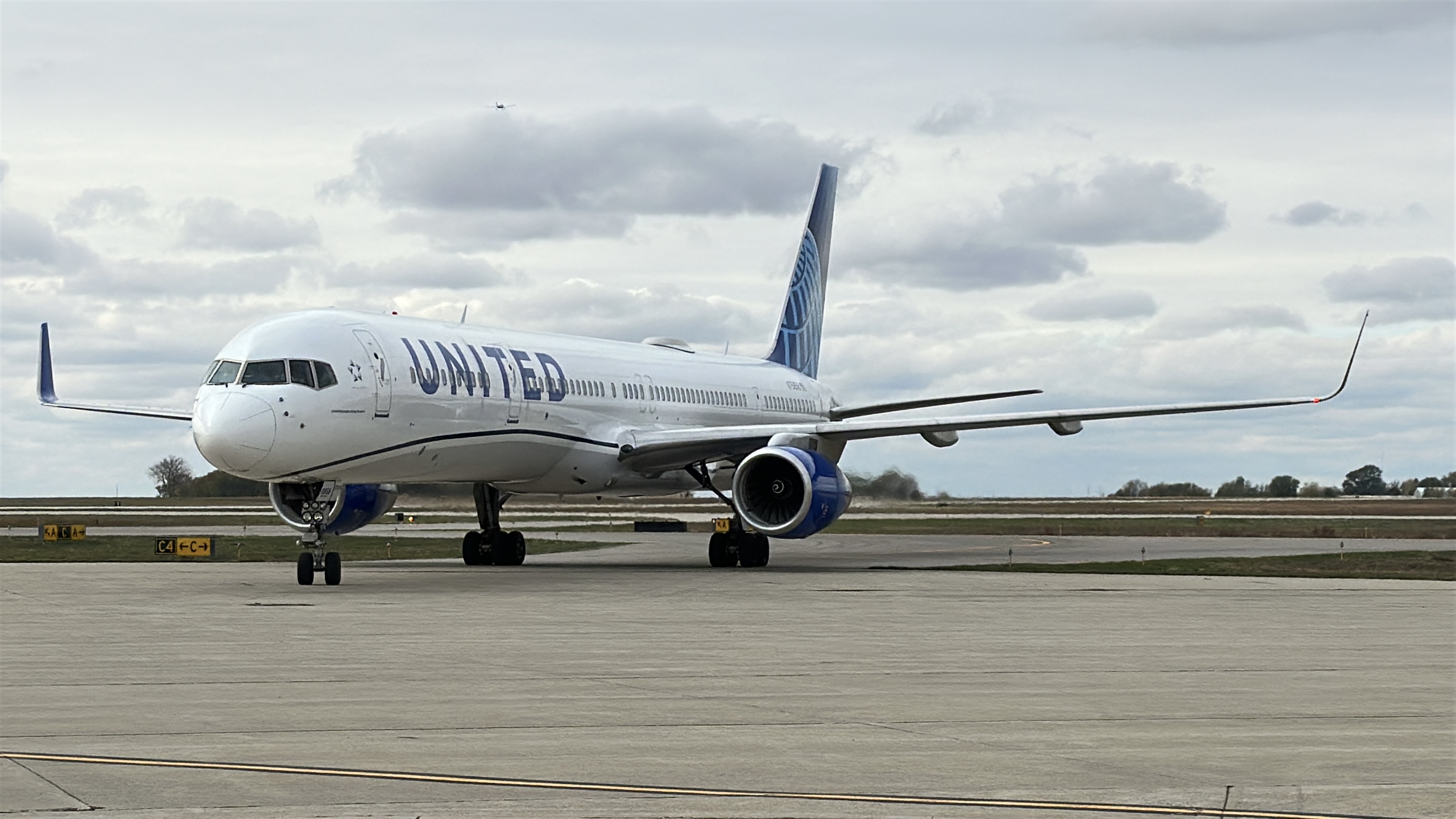
As a lifelong aviation enthusiast, I kept myself constantly updated with the air traffic flying into Willard Airport, and from a young age, I became familiar with the concept of “charter flights”. I always looked forward to the football and basketball seasons starting – not as much for the sports, but because it meant seeing unique aircraft in Champaign. With Willard’s commercial service limited to American Eagle routes to Chicago and Dallas-Fort Worth, anything larger than an Embraer 175 was guaranteed to turn heads, especially mine. Since 2023, the University of Illinois’ football program has utilized Delta Air Lines Boeing 757s for “away” game transport, an exciting upgrade from the Allegiant Air A320s used previously.
Maiden Brazil: Virgin Australia Welcomes the Iconic Embraer E2

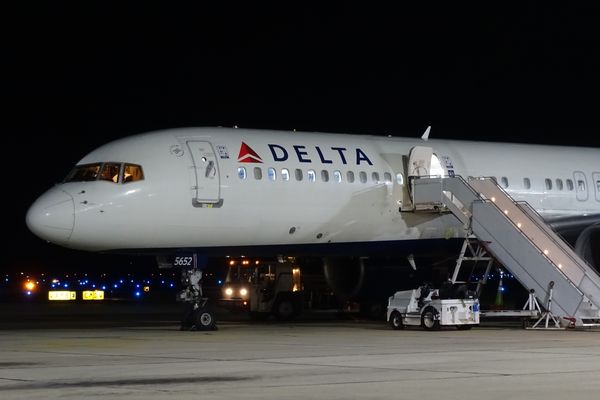
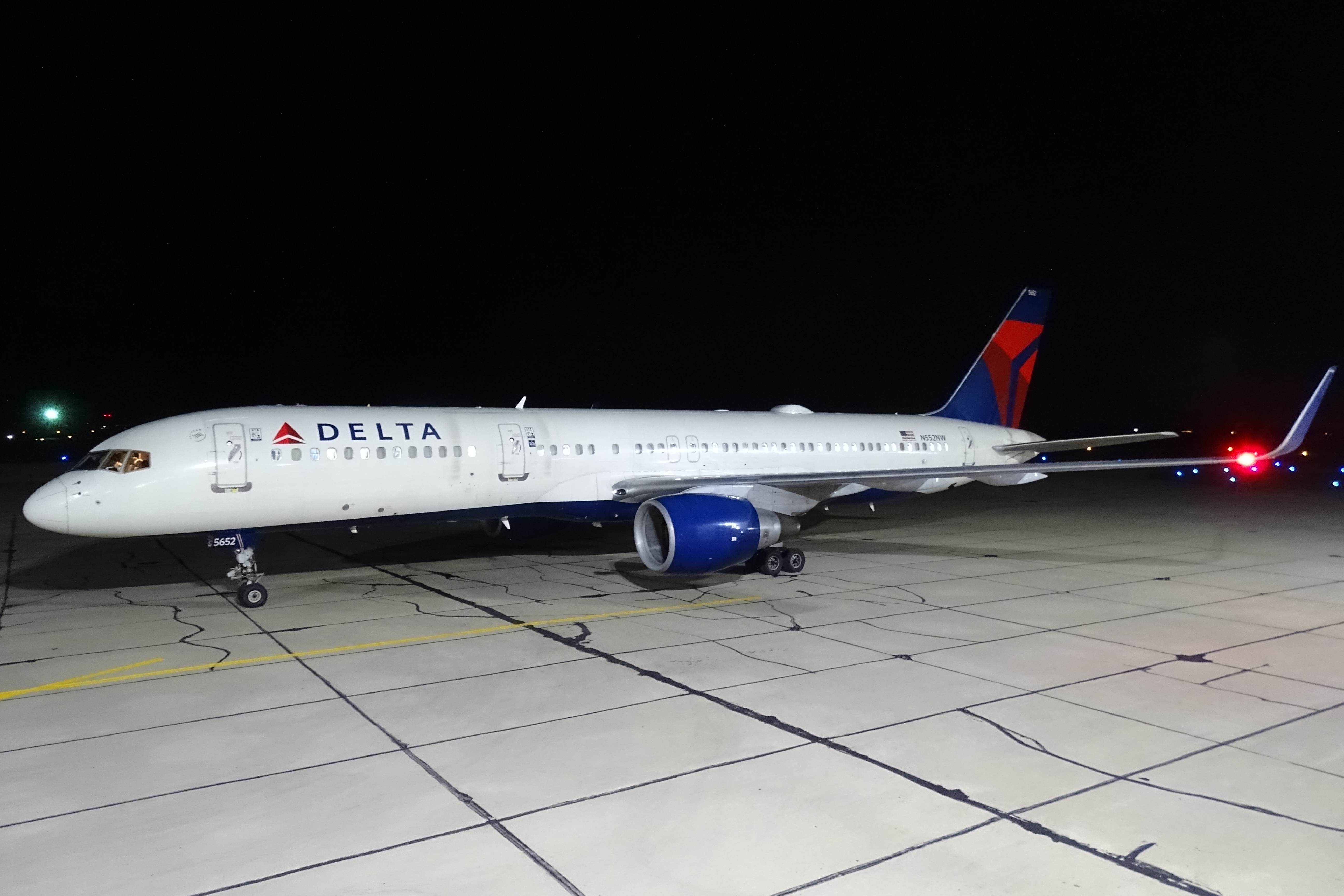
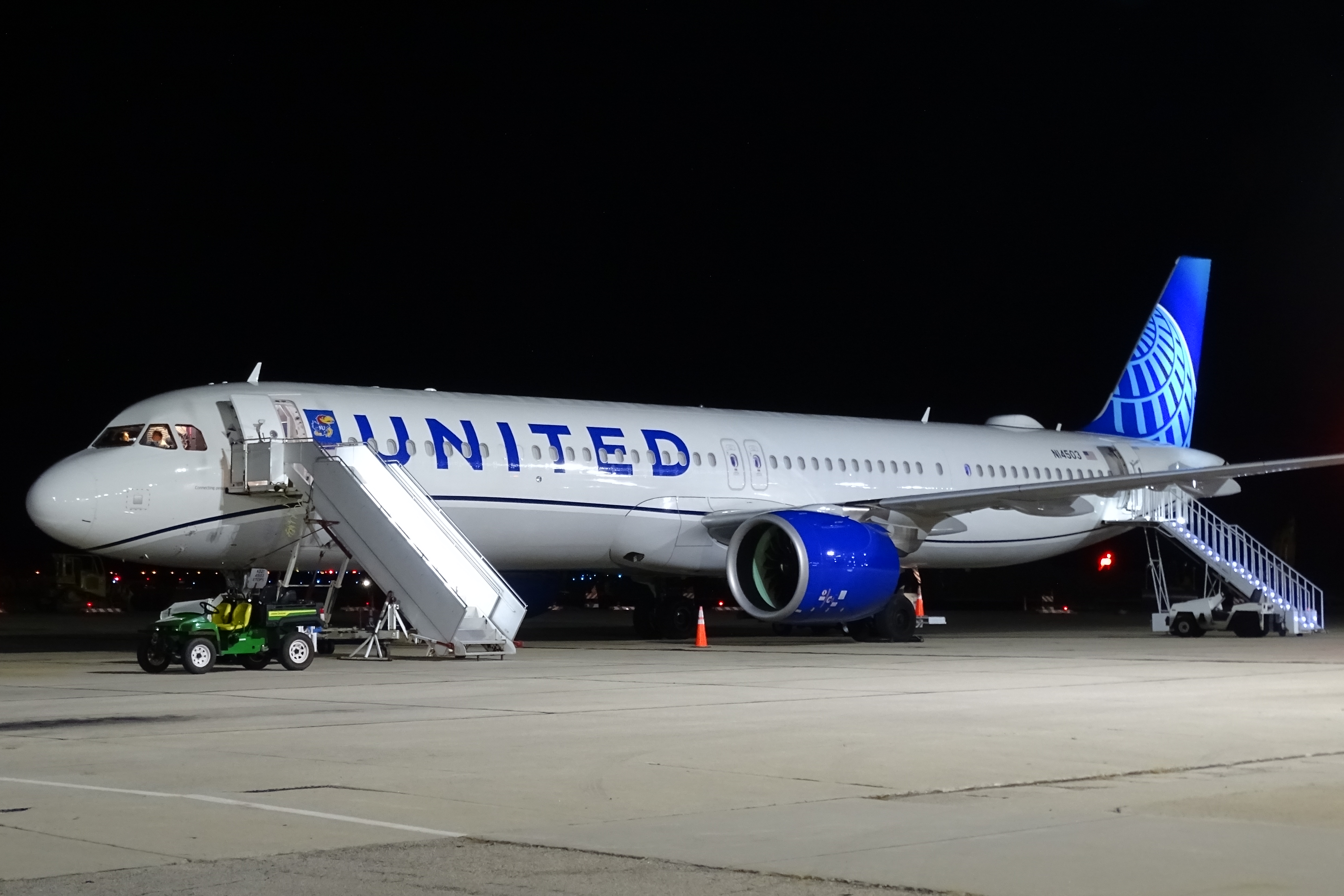
On a chilly October night, I arrived at Willard Airport to see the Illinois “Fighting Illini” return from Seattle after facing the University of Washington Huskies, a game they ultimately lost 42–25. For the first time, the team had chartered Delta’s stretched 757-300 rather than the shorter 757-200 used in prior seasons. The Illini had flown a Delta 757-300 to Raleigh-Durham earlier in the season, where they emerged victorious over Duke University. Today, they were flying a 757-300 to Seattle.
Charters Landing at the FBO
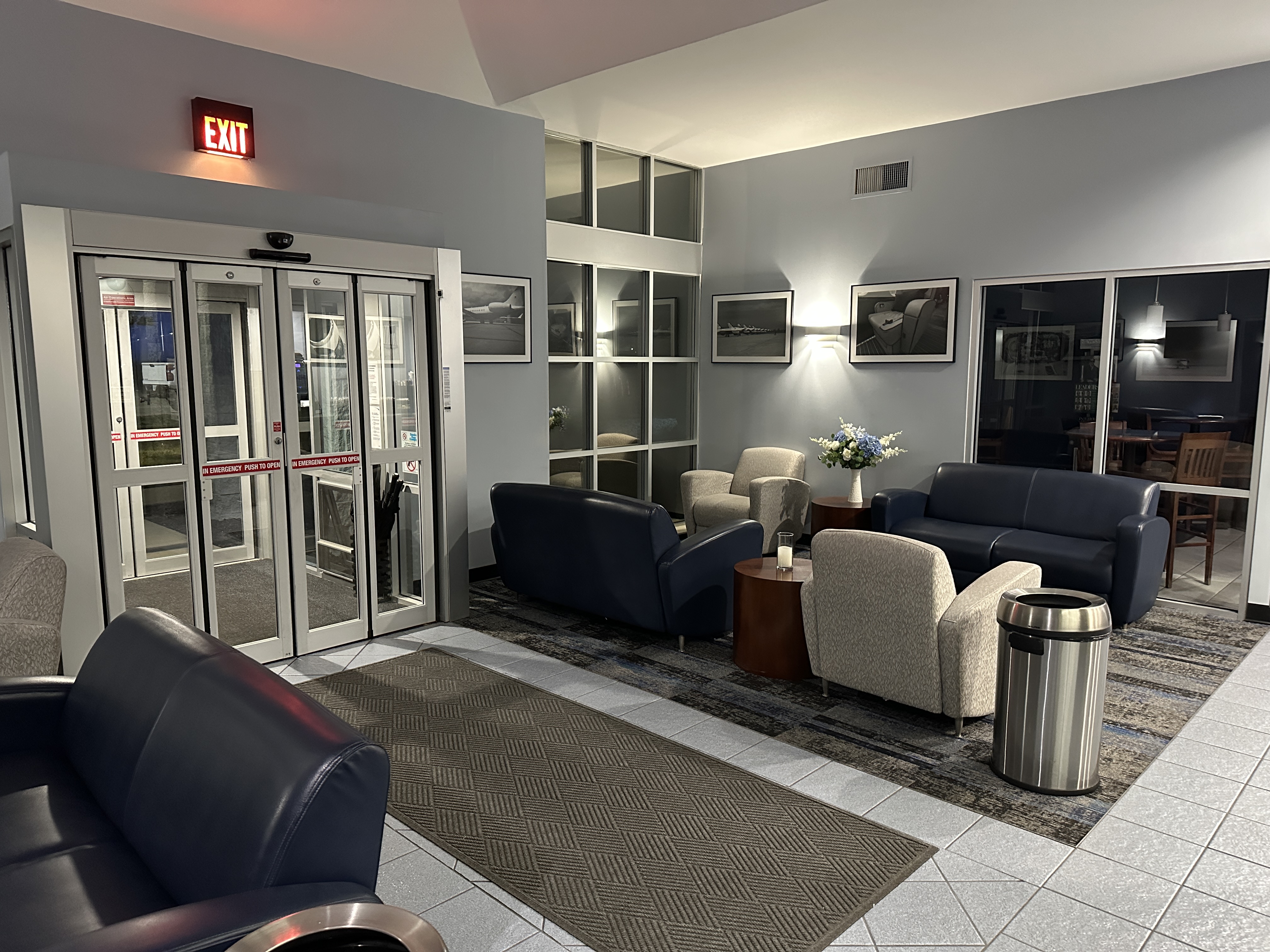
Despite Willard Airport having a dedicated passenger terminal, sports charter flights never use it, primarily because the terminal’s facilities are not equipped to handle the larger aircraft seen on these charters. Thus, all sports charters are managed by a Fixed Base Operator (FBO) on the northwest side of the airport. In addition to servicing charter and private flights, the FBO offers essential services, including fueling, hangaring, and aircraft maintenance. Its building features multiple conference rooms, a waiting lounge, coffee machines, and even a convenience store that sells branded merchandise – encapsulating the stress-free nature of private jet travel.
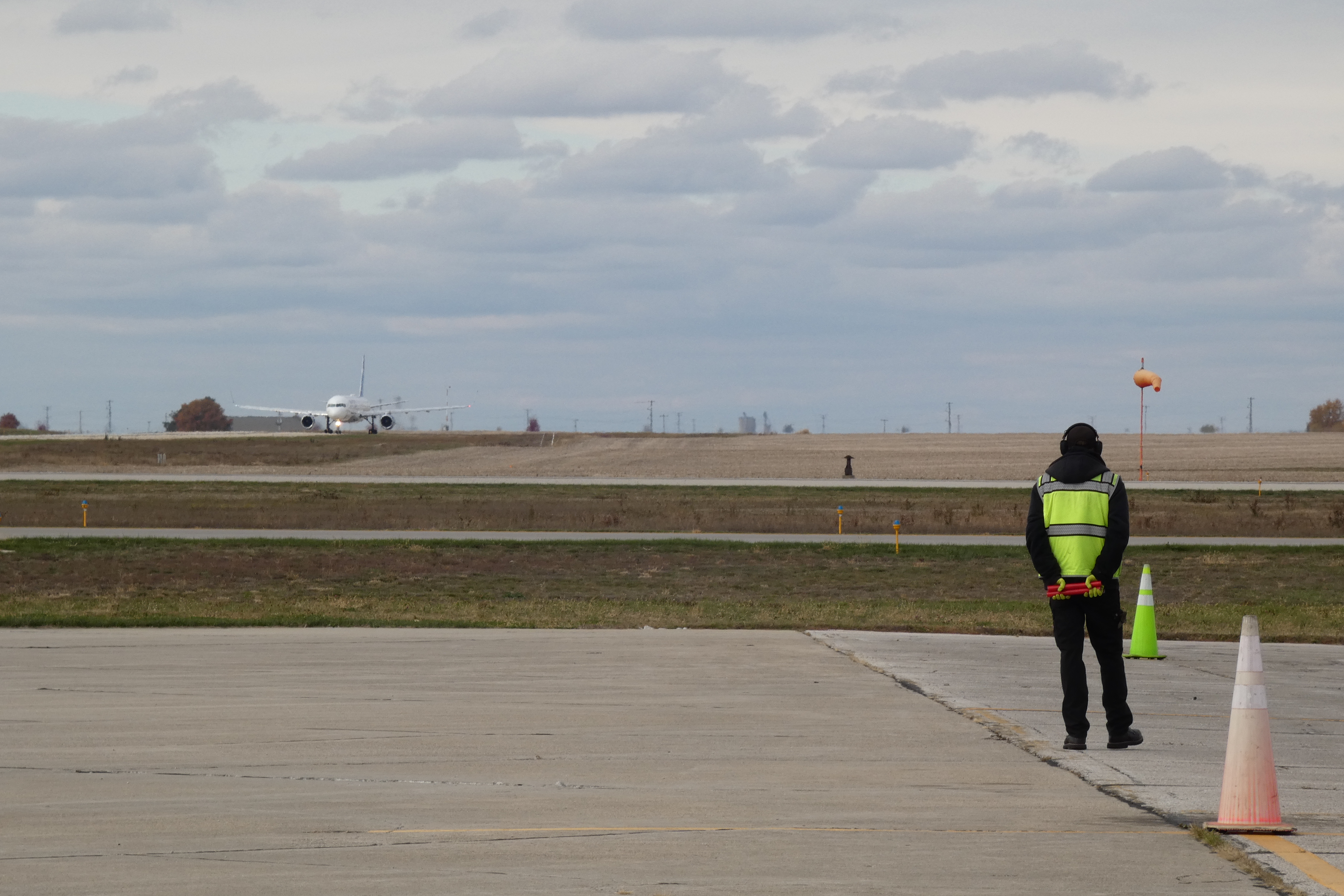
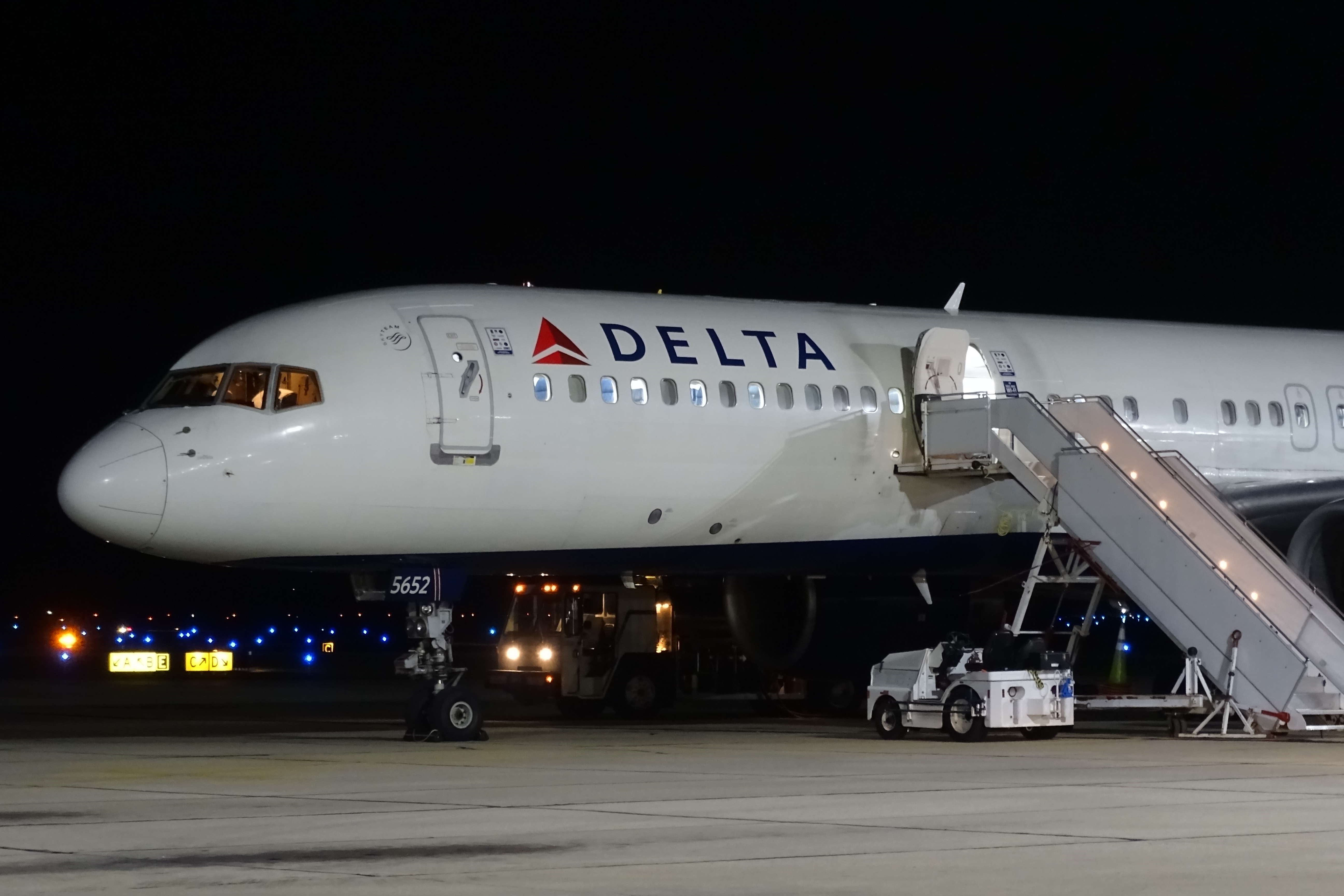
With Delta Flight 8902 on final approach, the line service team sprang into action. Marshallers took their positions on the ramp while ground crews moved airstairs and baggage carts into place. When the 757-300 rolled to a stop and its engines wound down, the stairs rolled up to the L2 door. Slowly, members of the Illinois football team began deplaning, ranging from players to coaching staff, athletic directors, and cheerleaders.
College sporting events are complex operations with many moving parts, even for a seemingly simple transport to the airport. In this case, the Illinois sports teams charter large coach buses from a local operator to transport the team back to campus. Three buses were already parked on the ramp, waiting for the team as the flight arrived. Once everyone had boarded, the buses exited the airport through a nearby perimeter gate.

Coloring the Clouds: How ANA Turned Airplanes into Art
The Rampers that Keep Charters Moving
The choreography happening on the ramp is more structured than it appears. As I would later learn, members of the line service team are trained on every task – marshalling, operating airstairs, towing, baggage, and fueling – though each flight assigns specific roles to maintain speed and safety. When the aircraft is grounded, servicing is considered a more collaborative effort: most of the team will handle baggage while others will refuel the plane.
Baggage handling is no easy task, given that college football teams not only travel with their own personal luggage, but also with training equipment. Thus, every charter flight has a “loadmaster” onboard from the airline who informs the FBO team where specific pieces of luggage can be loaded. Everything must be packed with weight and balance in mind, ensuring that the aircraft is not too heavy on the front or back.
The most challenging circumstances, however, arise when an aircraft faces a mechanical issue that delays its departure by hours or even more. Local FBOs generally do not provide maintenance services to the large aircraft that operate such charters. Thus, each flight usually has a mechanic on board from the operating airline. The local crew assists however possible, providing power units, tools, or towing support. Otherwise, in cases where an aircraft might need additional support to start up or to receive power while on the ground, the FBO can provide those facilities.
In most cases, airlines prefer not to leave aircraft sitting for 24-48 hours while teams play; that downtime represents lost revenue compared with returning the jet to scheduled service. This is why many flights drop teams off, return to their main hubs, and only reappear to collect them.
The Charter Experience
Check-in and security for charter passengers at Willard Airport take place in a building adjacent to the airport’s control tower and flight school. The check-in process is relatively simple. Upon arriving at the airport, identification is checked, tickets are issued, and screening is handled either by the TSA (if the flight uses the main terminal) or by a contracted security company that sets up a temporary checkpoint at the FBO.

End of an Era: JetBlue's Farewell to the Embraer E190
Just one hour after landing, the aircraft was refueled and offloaded. After the necessary walkarounds and safety checks were complete, the airstairs were pulled away, the engines were started, and the 757-300 began to taxi out. In no time, Delta Flight 8902 spooled up its engines and began its takeoff roll. With no passengers onboard, the overpowered 757 lifted off effortlessly into the quiet Midwestern night.
The Business of Moving a Team
Charter flights are a complex operation due to numerous moving parts. Vendors must ensure that aircraft are available to transport college teams on their desired travel dates. In many cases, this involves removing an aircraft from scheduled service. Thus, to minimize potential lost revenue that could result from an airplane not flying paying passengers, airlines must ensure the aircraft can be returned to its regular rotation with minimal disruption.
Universities typically pay per round-trip rather than as a flat seasonal contract. While the exact figures of chartering a Boeing 757-300 for round-trip flights are hard to come by, a conservative estimate would be over $30,000 per flight leg; an average football season with five away games can easily surpass $300,000. Chartering a Boeing 737-800 may cost between $9,000 and $11,000 per hour, while a 757 can cost up to $15,000 per hour. A 767 can cost up to $18,000 per hour. Small regional jets, such as the Embraer 145 or Bombardier CRJ-200, may cost a team approximately $7,000 per hour. Most charters are priced by “block hours,” which measure the total time an aircraft is in use from engine start to shutdown.

Memphis at Midnight: Inside FedEx's Global Superhub
Team size, distance traveled, and the amount of equipment all influence cost. Booking timing matters too: last-minute requests limit aircraft availability and can drive prices sharply upward. With schedules released months ahead, athletic departments typically secure flights at least four to eight weeks before travel.
In the case of the University of Illinois, public records disclosing what its Division of Intercollegiate Athletics (DIA) pays for its charter flights are unavailable. This is because universities typically exempt athletic charters from public procurement bids. However, nearby Eastern Illinois University (EIU) disclosed its total charter flight expenditures in its April 2025 Board Report. For the 2024-2025 season, EIU’s football program spent $184,113.60 on flying its football team to away games, largely on Allegiant Air A320s arranged through a charter broker.
Choosing the Right Aircraft
But what is a Boeing 757 doing flying into Champaign, Illinois? Why could the team not take a chartered bus up to a larger airport like Indianapolis (IND) or Chicago O’Hare (ORD)? The answer: efficiency. Moving more than 100 people, plus staff and gear, through a congested commercial hub introduces delays and fatigue. Departing from a local airport lets teams maximize rest and preparation time.
Game Day: The Unseen Operation Behind College Sports Travel
When deciding on an airline, athletic departments typically work with charter brokers or approved vendors experienced in this form of travel. A team considers several factors when selecting a provider, such as aircraft capacity, scheduling flexibility, and vendor relationships. A department may need to issue a request for proposal (RFP), review quotes from multiple charter providers, and select the one that best fits the university’s travel policies. While exact package figures are not publicly released, some charter brokers may offer season-specific packages. Typically, the university athletic department can specify the desired size of aircraft when contracting a charter. The vendor and athletic department will then enter into agreements based on the manifest size (which includes players, staff, and gear), flight time, and destination. Finally, the provider will assign a specific aircraft that meets the discussed requirements.
Unlike more professional sports leagues, which may see teams owning their own aircraft or using specially-configured "VIP airliners," college charter flights use normal commercial aircraft that regularly fly paying customers. Seats are assigned based on roles, with coaches and other staff typically occupying the premium seats and players sitting in the Main Cabin. Still, the athletic departments can disclose to the charter vendors what sorts of seating configurations they desire, which the vendors take into consideration when assigning aircraft.
Charter operations can be unpredictable, often subject to weather, mechanical issues, and crew duty limits. Contracts often include provisions for spare aircraft or compensation if disruptions cause teams to miss practices or events.
Thus, the world of charter flying reveals how much coordination and effort go into ensuring those anticipated collegiate face-offs happen right on time. These operations are more than just team transport from Point A to Point B – they also run under the pressure of time. Airport staff, flight crews, and team management work harmoniously to perfectly execute them before the clock hits zero.
This content is only available with an AeroXplorer+ subscription.
JetBlue Opens Sales for BlueFirst, Its First Domestic First Class Cabin » FlyUSA Opens 50,000-Square-Foot Owner-Exclusive Hangar and Lounge at Tampa International Airport » How the AI Chip Boom Is Squeezing Transpacific Air Cargo »

Comments (0)
Add Your Comment
TAGS
STORIES Jetstream Magazine Sports Charters Airside Tour Charter Travel Division 1 Atheltics Big10RECENTLY PUBLISHED
 This Week in Aviation: The 10 Stories That Mattered Most
From major airline developments to aircraft updates and industry shifts, this weekly recap highlights the ten most-read aviation stories from the week of October 11.
INFORMATIONAL
READ MORE »
This Week in Aviation: The 10 Stories That Mattered Most
From major airline developments to aircraft updates and industry shifts, this weekly recap highlights the ten most-read aviation stories from the week of October 11.
INFORMATIONAL
READ MORE »
 GPS Jamming Is Now a Daily Airline Problem. Here Is How Bad It Has Gotten
GPS jamming and spoofing are disrupting airline navigation across Europe, the Middle East and South Asia. Explore how widespread GNSS interference threatens flight safety, affects airline operations, and what pilots and regulators are doing to manage the growing risk.
INFORMATIONAL
READ MORE »
GPS Jamming Is Now a Daily Airline Problem. Here Is How Bad It Has Gotten
GPS jamming and spoofing are disrupting airline navigation across Europe, the Middle East and South Asia. Explore how widespread GNSS interference threatens flight safety, affects airline operations, and what pilots and regulators are doing to manage the growing risk.
INFORMATIONAL
READ MORE »
 Who Is Accountable When an AI Air Traffic Tool Gets It Wrong?
Who is liable when an AI air traffic control tool gets it wrong? The FAA’s SMART system faces scrutiny over safety testing, controller oversight, and legal accountability as lawmakers question its use in U.S. airspace.
INFORMATIONAL
READ MORE »
Who Is Accountable When an AI Air Traffic Tool Gets It Wrong?
Who is liable when an AI air traffic control tool gets it wrong? The FAA’s SMART system faces scrutiny over safety testing, controller oversight, and legal accountability as lawmakers question its use in U.S. airspace.
INFORMATIONAL
READ MORE »
More than just headlines.
Get unlimited ad-free access to in-depth aviation news, premium stories, and exclusive insights other sites don't cover.
- Ad-free browsing on AeroXplorer
- Unlimited access to premium and exclusive articles
- Higher photo upload limits & commissions on sales
- Free access to Jetstream Magazine on higher tiers
- Ad-free browsing
- Sell aviation photos with 60% commission
- First week free!
- Everything in Basic+
- Unlimited premium articles
- Sell aviation photos with 70% commission
- Free Digital subscription to Jetstream Magazine
- First week free!
- Everything in Basic+ and Pro
- Sell aviaiton photos with 80% commission
- Early access to exclusive stories
- Free Digital+Print subscription to Jetstream Magazine