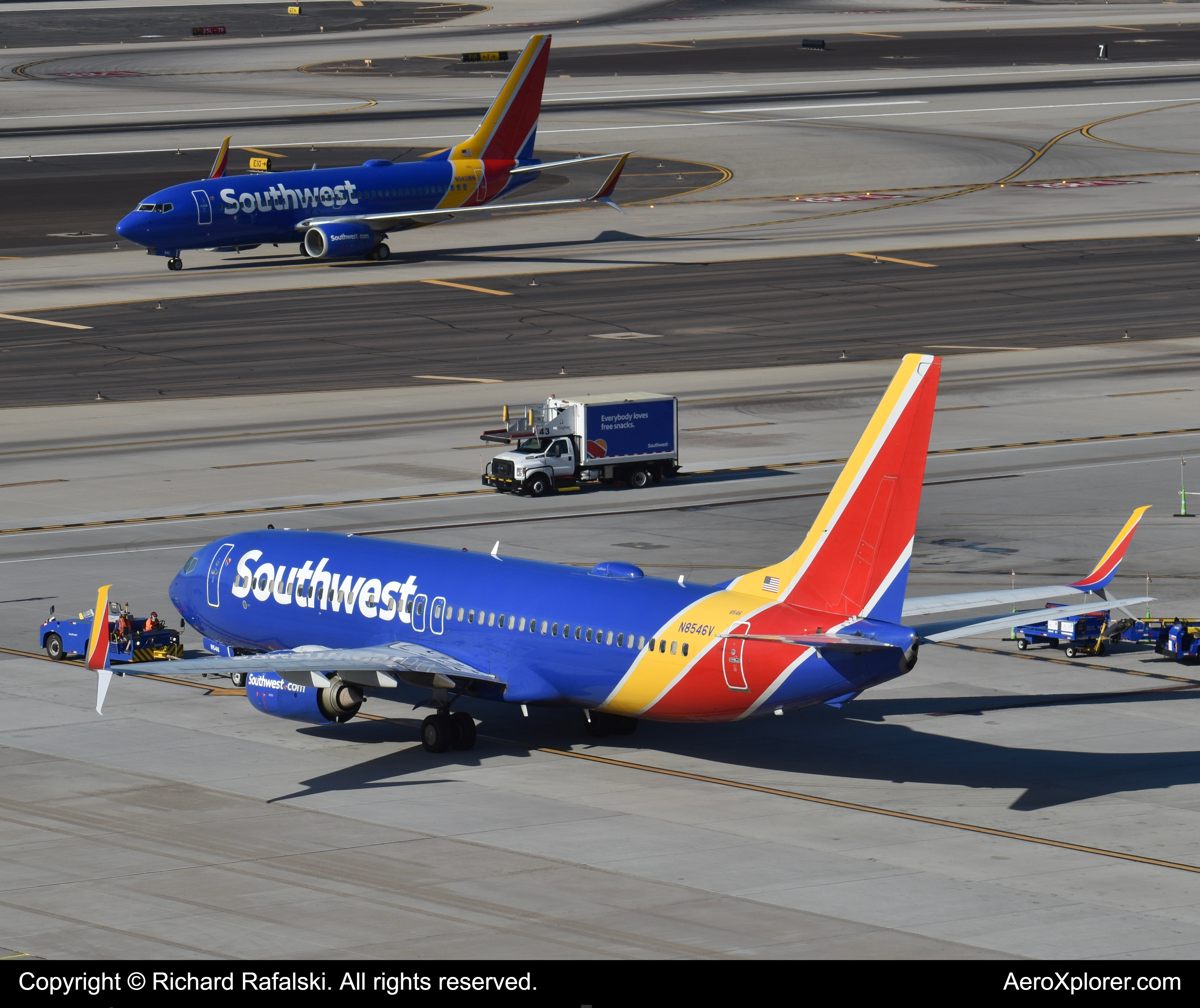

WASHINGTON, D.C. — In a significant move to address emerging safety concerns within the global narrowbody fleet, the Federal Aviation Administration (FAA) officially issued a Notice of Proposed Rulemaking (NPRM) today, January 8th, 2026, targeting the horizontal stabiliser components of the Boeing 737 Next Generation (NG) series.
The proposed Airworthiness Directive (AD) comes after several carriers reported unsettling flight control anomalies, prompting a federal investigation into the structural integrity of the aircraft's pitch control system.

The "Free Play" Problem
The FAA's proposal is driven by technical reports from multiple airlines regarding “pitch oscillation events”, unintended and sudden movements of the aircraft's nose, during various phases of flight. Investigations pinpointed the cause as excessive free play in the horizontal stabiliser’s mechanical assembly.
According to the official FAA rule released this morning:
“The FAA has received reports from multiple operators of pitch oscillation events due to excessive horizontal stabiliser free play. Currently, there is no inspection requirement in place to address the wear of the left and right horizontal stabiliser pivot hinges and jackscrew.”
Key Components Under Scrutiny
The inspection focus is centred on two critical areas of the tail section that manage the aircraft's trim and pitch stability:
Pivot Hinges: The attachment points that allow the horizontal stabiliser to tilt.
Jackscrew Assembly: The primary screw-driven mechanism that modulates the stabiliser's angle to maintain level flight.
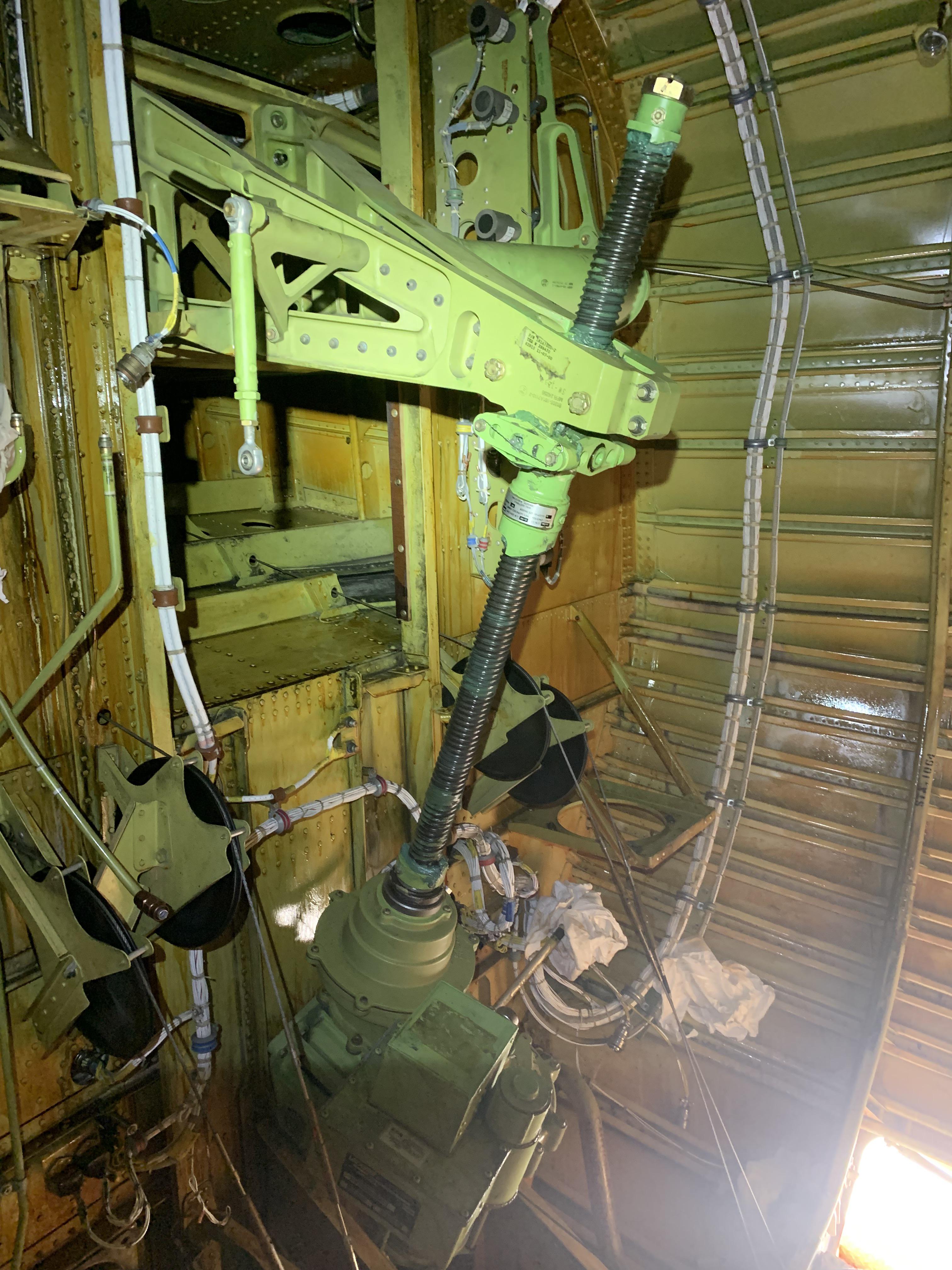
Photo: reddit
The "Flutter" Risk
Aerospace engineers warn that if left unchecked, the wear in these components can reach a threshold where the stabiliser is no longer held rigidly against aerodynamic forces. This lack of "stiffness" can trigger a flutter event, a high-frequency, self-excited vibration that can lead to rapid structural failure.
The FAA explicitly stated that the excessive stabiliser movement “could lead to a flutter event,” a scenario that historically has resulted in the loss of aircraft control.
Fleet Impact and Operator Requirements
The proposed mandate would encompass the entire US-registered 737NG fleet, totalling 1,987 aircraft.
This includes the following variants:
- 737-600
- 737-700 / -700C
- 737-800
- 737-900 / -900ER
Mandating the June 2025 Guidance
The FAA’s action seeks to codify and make mandatory a set of service instructions that Boeing initially distributed to airlines as optional guidance in June 2025. While some proactive carriers have already begun these checks, the new AD would ensure total fleet compliance under strict federal oversight.
The proposed requirements include:
Precision Measurement: Operators must measure the "free play value" of the left and right pivot hinges and the jackscrew.
Component Replacement: Any parts found to exceed the manufacturer’s specified wear limits must be replaced before further flight.
Repetitive Inspections: Establishing a recurring schedule to monitor wear progression over the aircraft's operational life.

Photo: AeroXplorer/ Nathan Francois

Only Way Out: Private Aviation in a Region at War
Industry Response and Next Steps
Boeing has stated it is working closely with the FAA and its customers to ensure the "safety and integrity of the fleet." Major 737NG operators, including Southwest Airlines, United, and Delta, are currently reviewing the technical requirements of the proposal.
The FAA has opened a 45-day public comment period, allowing engineers, pilots, and airlines to provide feedback on the proposed inspection methods and compliance timelines. If the rule is finalised as expected, inspections could become mandatory for all US operators by late February or March 2026.
Halon Was Supposed to Disappear. This Company Kept It Flying. » American Airlines Swaps Landline Buses for CRJ-700 Flights on 84-Mile South Bend to Chicago Route » Caribbean Airlines Expands Network With New Toronto and Caracas Routes »

Comments (1)
 Ronald Hardwig, Professional engineer
I've been studying plane crashes I believe caused by them flying into a vortex for about the last 15 years. I have research pertaining to the unexpected pitch oscillations that I believe you're talking about. What I'm talking about is what took down Lion Air Flight 310 and Ethiopian flight ET302. My findings are that these planes flew into the side of a vortex. Just think what would happen if a plane flew into the side of the vortex and only one AOA sensor sensed that it was flying into rising air, the AOA sensor on the far side would be receiving streamline air after it p[assed around the nose of the plane. I find that this is what happened to Lion Air Flight 310 as it flew into a vortex created by the Suralaya Power Plant Northwest of Jakarta. In fact Sriwijaya flight 182 on January 9, 2021, flew into a vortex created by the same Suralaya Power Plant Northwest of Jakarta. I even have a satellite view of the vortex forming that caused Sriwijaya flight 182 to crash. And Ethiopian flight ET302 flew into the vortex created by the eruption of two volcanoes earlier that morning in the Democratic Republic of the Congo.
Want to talk further? email me
Ronald Hardwig, Professional engineer
I've been studying plane crashes I believe caused by them flying into a vortex for about the last 15 years. I have research pertaining to the unexpected pitch oscillations that I believe you're talking about. What I'm talking about is what took down Lion Air Flight 310 and Ethiopian flight ET302. My findings are that these planes flew into the side of a vortex. Just think what would happen if a plane flew into the side of the vortex and only one AOA sensor sensed that it was flying into rising air, the AOA sensor on the far side would be receiving streamline air after it p[assed around the nose of the plane. I find that this is what happened to Lion Air Flight 310 as it flew into a vortex created by the Suralaya Power Plant Northwest of Jakarta. In fact Sriwijaya flight 182 on January 9, 2021, flew into a vortex created by the same Suralaya Power Plant Northwest of Jakarta. I even have a satellite view of the vortex forming that caused Sriwijaya flight 182 to crash. And Ethiopian flight ET302 flew into the vortex created by the eruption of two volcanoes earlier that morning in the Democratic Republic of the Congo.
Want to talk further? email me
Add Your Comment
TAGS
NEWS FAA Boeing 737 NG Aviation Safety Airworthiness Directive MaintenanceRECENTLY PUBLISHED
 This Week in Aviation: The 10 Stories That Mattered Most
From major airline developments to aircraft updates and industry shifts, this weekly recap highlights the ten most-read aviation stories from the week of October 04.
INFORMATIONAL
READ MORE »
This Week in Aviation: The 10 Stories That Mattered Most
From major airline developments to aircraft updates and industry shifts, this weekly recap highlights the ten most-read aviation stories from the week of October 04.
INFORMATIONAL
READ MORE »
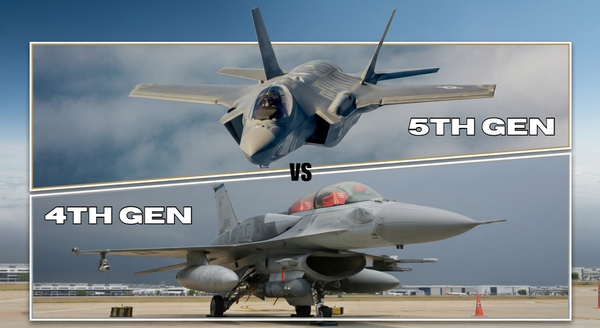 4th vs 5th Generation Fighter Jets: How Fighter Jets Have Evolved
A look at what separates fourth- and fifth-generation fighter jets, from stealth and sensor fusion to combat capability and cost.
INFORMATIONAL
READ MORE »
4th vs 5th Generation Fighter Jets: How Fighter Jets Have Evolved
A look at what separates fourth- and fifth-generation fighter jets, from stealth and sensor fusion to combat capability and cost.
INFORMATIONAL
READ MORE »
 United 777 Diverts to Dublin After Cockpit Windscreen Cracks Over the Atlantic
A United Airlines Boeing 777 bound for Milan made a steep descent and diverted to Dublin after its cockpit windscreen cracked mid-flight.
NEWS
READ MORE »
United 777 Diverts to Dublin After Cockpit Windscreen Cracks Over the Atlantic
A United Airlines Boeing 777 bound for Milan made a steep descent and diverted to Dublin after its cockpit windscreen cracked mid-flight.
NEWS
READ MORE »
More than just headlines.
Get unlimited ad-free access to in-depth aviation news, premium stories, and exclusive insights other sites don't cover.
- Ad-free browsing on AeroXplorer
- Unlimited access to premium and exclusive articles
- Higher photo upload limits & commissions on sales
- Free access to Jetstream Magazine on higher tiers
- Ad-free browsing
- Sell aviation photos with 60% commission
- First week free!
- Everything in Basic+
- Unlimited premium articles
- Sell aviation photos with 70% commission
- Free Digital subscription to Jetstream Magazine
- First week free!
- Everything in Basic+ and Pro
- Sell aviaiton photos with 80% commission
- Early access to exclusive stories
- Free Digital+Print subscription to Jetstream Magazine