
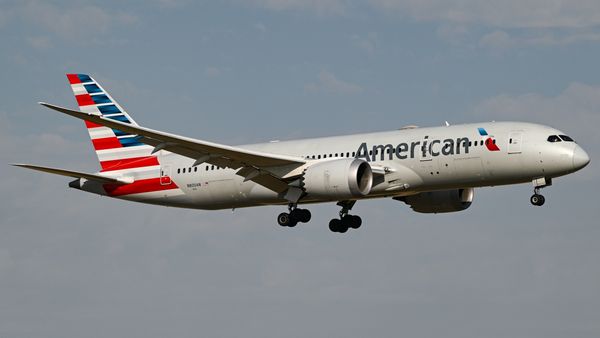
The Federal Aviation Administration (FAA) has issued a new airworthiness directive requiring operators of 60 US-registered Boeing 787 Dreamliners to carry out inspections aimed at preventing a potential fuel tank ignition hazard linked to lightning strikes. The directive takes effect on December 7, 2025, and forms part of a broader regulatory response that also encompasses certain Boeing 747 variants.
According to the FAA, the action responds to reports that fasteners inside the center and main fuel tanks of affected aircraft may lack adequate electrical bonding. If a lightning strike or a fault current were to reach these fasteners, the resulting electrical arcing could create an ignition source inside the fuel tank, posing a risk of fire or explosion.
Scope of the directive
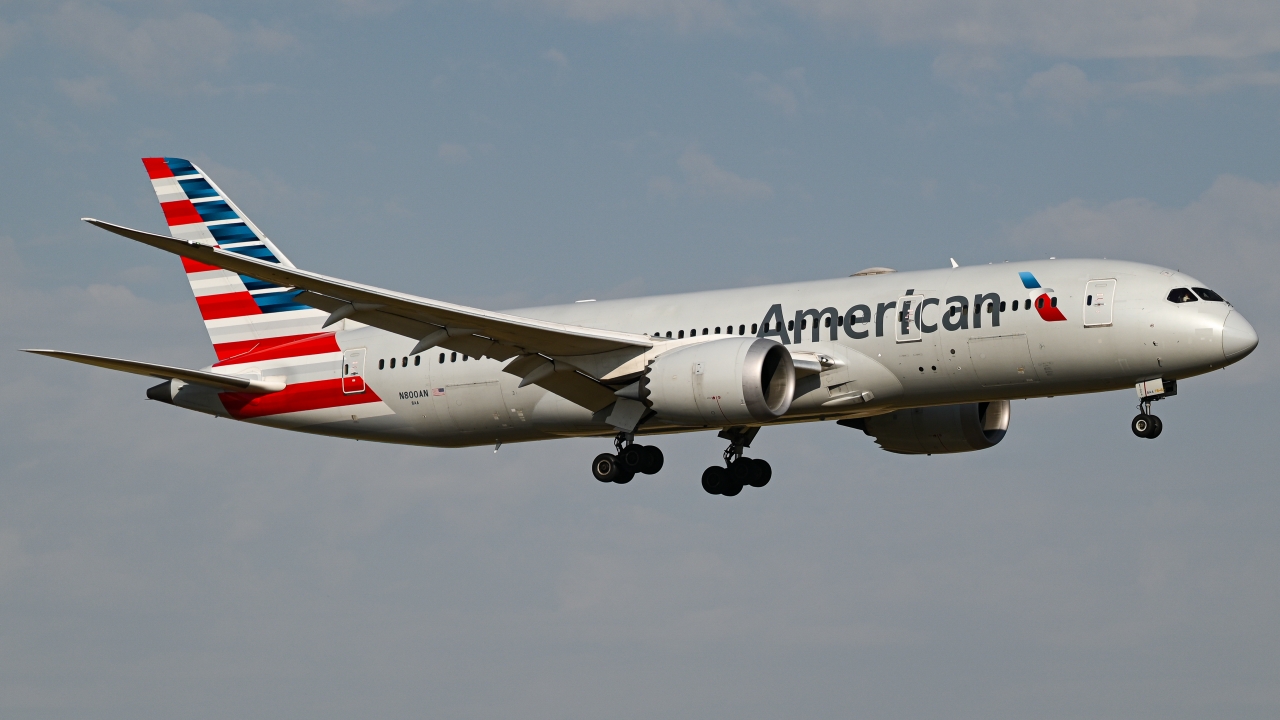
The airworthiness directive applies to the entire Boeing 787 family currently in US service, including the 787-8, 787-9, and 787-10 variants. While the FAA has identified 60 aircraft on the US registry as subject to the order, the underlying issue has implications for the broader global fleet, given that regulators in other jurisdictions typically follow FAA directives on US-certified designs.
The FAA has also extended related inspection requirements to specific Boeing 747 models, reflecting a shared concern over fuel tank bonding and ignition prevention standards across multiple Boeing widebody programs. Both directives become effective on December 7, 2026.
Technical background
Commercial aircraft fuel tanks are designed with multiple layers of protection against ignition sources. Among the most important are measures to ensure that all metallic components inside or adjacent to the tank, including fasteners, brackets, and plumbing, remain electrically bonded to the airframe. Proper bonding provides a controlled path for electrical energy, whether from a lightning strike, a short circuit, or static buildup, preventing sparks or arcing in environments where fuel vapors may be present.
The FAA's concern centers on fasteners whose bonding characteristics may have degraded or been improperly installed. If current from a lightning strike or electrical fault cannot dissipate safely, it can jump across gaps at these fasteners, generating heat or sparks sufficient to ignite fuel vapors. The regulator classifies such a scenario as an unsafe condition under its fuel tank safety rules, which were strengthened following accidents attributed to fuel tank explosions in previous decades.
For the 787, the issue affects both the center wing tank and the main wing tanks. These structures contain a significant volume of fuel and operate in a wide range of temperature and pressure conditions during flight, which makes rigorous bonding compliance a core element of the aircraft's certification basis.
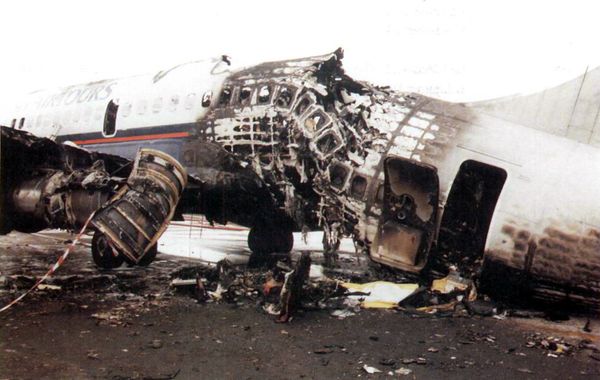
Seconds to Survive: The Human Factors Lessons of the 1985 Manchester Airport Disaster
Compliance requirements
Operators affected by the directive must conduct detailed inspections of the fasteners inside the designated fuel tanks and perform corrective actions where bonding deficiencies are identified. Depending on the findings, remedial work could involve the replacement of fasteners, the application of additional sealing or bonding measures, or further detailed examinations.
The FAA has structured the directive so that airlines can integrate the required inspections into planned maintenance schedules where possible, though the agency retains authority to require more immediate action if inspections reveal widespread defects. Operators must also report findings back to the FAA and to Boeing, which will use the data to refine ongoing fleet monitoring and, if necessary, propose further corrective action.
The cost of compliance, which the FAA typically outlines in the regulatory text accompanying a directive, falls on operators. For a widebody such as the 787, access to the fuel tanks for detailed internal inspection is a labor-intensive process that can require the aircraft to be taken out of revenue service for an extended period.

Context within Boeing's widebody programs
The 787 Dreamliner, which entered commercial service in 2011, has become a cornerstone of long-haul fleets worldwide. The aircraft was the first large commercial airliner to feature a predominantly composite fuselage and wing structure, a design choice that introduced new considerations for lightning protection and electrical bonding compared with conventional aluminum airframes.
Boeing has addressed lightning-related issues on the 787 before, both during the type certification and in subsequent service bulletins. The latest FAA directive adds to that history by focusing specifically on internal fuel tank fasteners rather than external skin panels or lightning strike attachment points.
The simultaneous action on certain Boeing 747 variants indicates that the FAA sees a related compliance issue across more than one program, even though the 747 uses a traditional metallic structure. In both cases, the regulatory focus is on ensuring that bonding provisions inside fuel tanks meet the standards established by current fuel tank safety regulations.
Operational implications
For US carriers operating the 787, the directive introduces additional maintenance planning requirements but is unlikely to cause immediate disruption to flight schedules, given that the FAA has allowed a compliance window rather than requiring grounding. Airlines will coordinate with Boeing and their maintenance providers to sequence the inspections alongside other scheduled checks.
Internationally, non-US operators of the 787 and affected 747 variants will look to their own civil aviation authorities to determine whether to adopt the FAA directive or issue equivalent national requirements. In most cases, major regulators such as the European Aviation Safety Agency (EASA), the UK Civil Aviation Authority, and others align with FAA actions on US-certified designs, extending the operational impact of the directive well beyond the 60 aircraft initially identified on the US registry.
Seconds to Survive: The Human Factors Lessons of the 1985 Manchester Airport Disaster » Low-Time Private Jets: Jet Agent Explains Why Fewer Hours Are Not Always Better » Ryanair Locked in Fuel at $77 a Barrel. Now Its Rivals Face the Price Shock »

Comments (0)
Add Your Comment
TAGS
NEWS FAA Boeing 787 Fuel Tank Inspection Lightning Strike Risk Airworthiness Directive Aviation Safety Aircraft Maintenance Boeing Regulatory ComplianceRECENTLY PUBLISHED
 JetBlue Raises Checked Bag Fees for Third Time in a Year as Fuel Costs Climb
JetBlue has increased checked bag fees again, pushing the cost to check a bag up 43% in two years. Here's what travelers need to know.
NEWS
READ MORE »
 British Airways Returns to Dubai After Eight-Month Pause Tied to Iran Conflict
British Airways resumes London to Dubai flights after an eight-month suspension prompted by regional tensions and Iran-related airspace concerns.
ROUTES
READ MORE »
 The Aviation Logistics Behind America's Biggest Sporting Events
Horse racing is a global sport, but we as fans focus only on the important part, the entertainment, and never really think about how horses are getting from one place to another (and sometimes that distance is thousands of miles).
INFORMATIONAL
READ MORE »
More than just headlines.
Get unlimited ad-free access to in-depth aviation news, premium stories, and exclusive insights other sites don't cover.
- Ad-free browsing on AeroXplorer
- Unlimited access to premium and exclusive articles
- Higher photo upload limits & commissions on sales
- Free access to Jetstream Magazine on higher tiers
- Ad-free browsing
- Sell aviation photos with 60% commission
- First week free!
- Everything in Basic+
- Unlimited premium articles
- Sell aviation photos with 70% commission
- Free Digital subscription to Jetstream Magazine
- First week free!
- Everything in Basic+ and Pro
- Sell aviaiton photos with 80% commission
- Early access to exclusive stories
- Free Digital+Print subscription to Jetstream Magazine