
The European Union Aviation Safety Agency (EASA) has ordered urgent inspections of several Airbus A380 superjumbos after cracks were discovered in a critical wing component. The directive affects 16 aircraft currently in service with operators across the globe.
The regulator issued an emergency airworthiness directive requiring airlines to examine the wing-spar structure on affected jets. Inspectors found the cracks during routine maintenance checks, prompting EASA to act quickly to ensure the safety of the world's largest passenger aircraft.
What inspectors found
The cracks appeared in the wing spar, a structural beam that runs along the length of the wing and carries much of the aerodynamic load during flight. This component is one of the most heavily stressed parts of any aircraft, and damage to it can compromise structural integrity if left unchecked.
According to EASA, the affected area sits within the outer wing section. The agency has not disclosed how many aircraft showed cracks during the initial discovery, but the scope of the directive suggests regulators want to rule out a wider problem across the fleet.
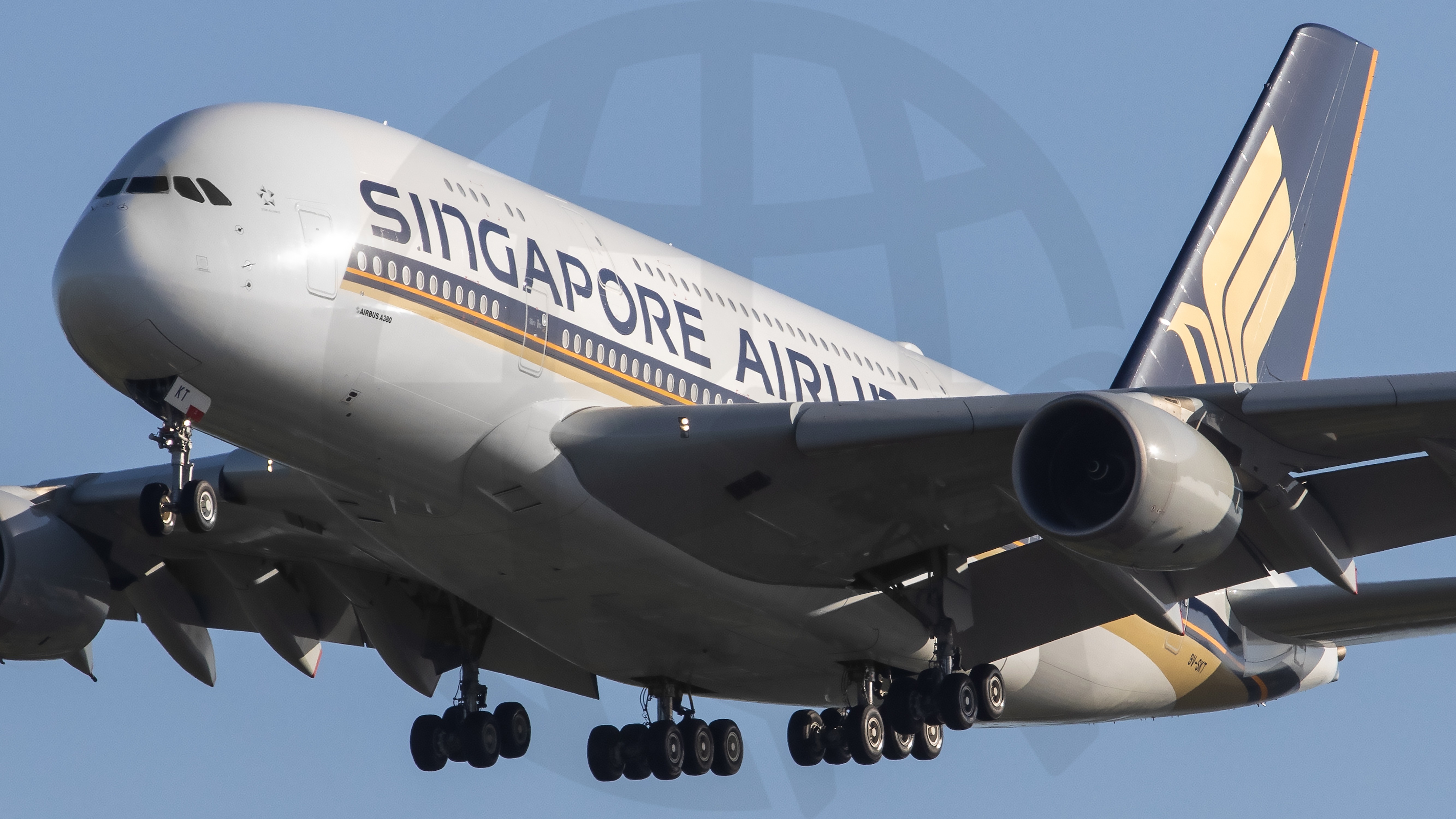
The A380 entered commercial service in 2007 with Singapore Airlines as the launch operator. Airbus delivered the final A380 in 2021 after ending production due to weak demand, leaving roughly 250 aircraft built over the program's lifetime.
Which airlines are affected
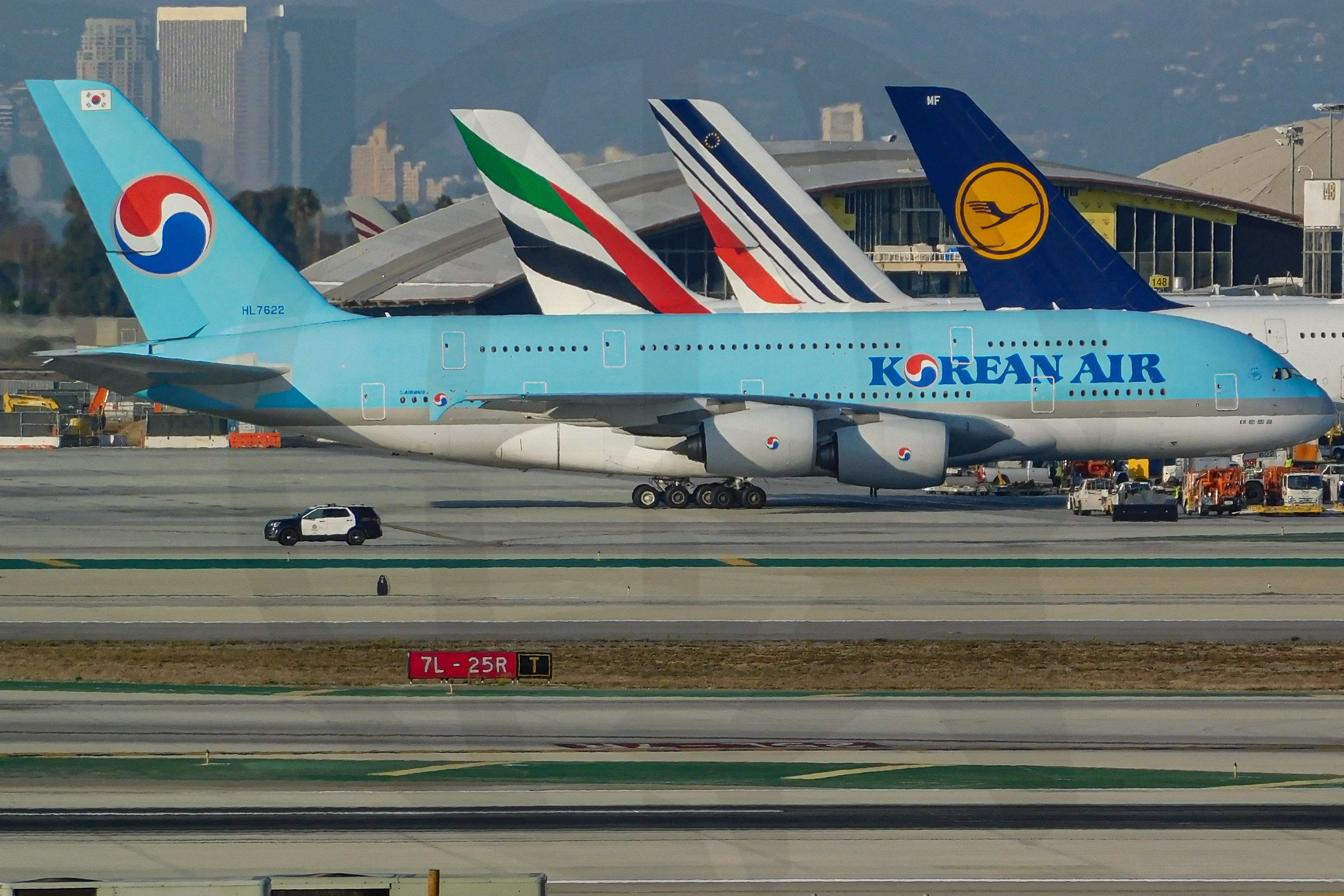
The directive applies to specific A380 airframes that meet certain criteria related to flight cycles and configuration. Operators of the type include Emirates, Singapore Airlines, British Airways, Qantas, Lufthansa, Qatar Airways, Korean Air, Etihad Airways, ANA, and Asiana Airlines.
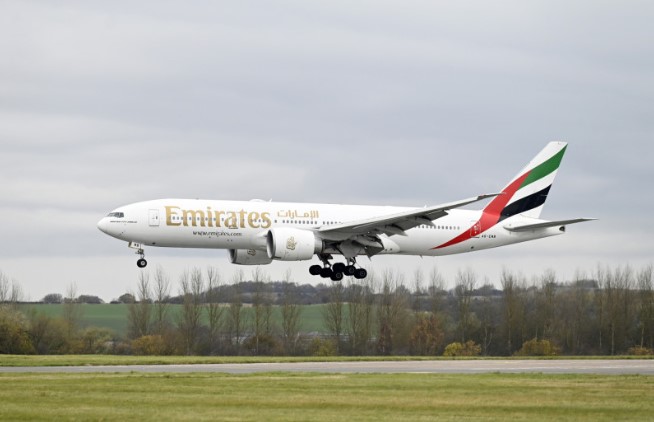
Emirates operates the largest A380 fleet in the world by a wide margin, with the Dubai-based carrier flying more than half of all active superjumbos. Any directive affecting the type carries significant operational weight for the airline, which has built much of its long-haul network around the four-engine jet.
Airlines must complete the required inspections within a tight window set by EASA. Aircraft found to have cracks will need repairs before they can return to service, while clean inspections will allow continued operation under standard maintenance schedules.
How the inspections work
Technicians will use non-destructive testing methods to examine the wing spar without disassembling major structural components. These techniques typically include ultrasonic scanning and eddy-current testing, both of which can detect cracks invisible to the naked eye.
The process takes several hours per aircraft and requires specialized equipment along with trained inspectors. Airlines with large A380 fleets will likely stagger the checks to minimize disruption to their schedules, though some flights may face cancellations or aircraft swaps in the short term.
If inspectors find cracks, the repair process becomes more involved. Depending on the size and location of the damage, repairs can range from reinforcement patches to more extensive structural work that takes the aircraft out of service for an extended period.

Only Way Out: Private Aviation in a Region at War
Not the first A380 wing concern
The A380 has faced wing-related issues before. In 2012, EASA ordered inspections after cracks were found in wing rib feet, brackets that connect the wing skin to internal ribs. That earlier directive ultimately affected the entire global A380 fleet and led to a costly repair program that Airbus addressed through design changes on later production aircraft.
The current directive appears narrower in scope, focusing on a specific subset of the fleet rather than every A380 in service. EASA has not indicated whether the new cracks share any link to the earlier issue or represent a separate problem.
What it means for passengers
If you have an upcoming flight on an A380, the most likely impact is a possible aircraft change rather than a cancellation. Airlines routinely substitute aircraft when maintenance requirements pull a jet out of service, and most A380 routes have alternative widebody options available.
Travelers should check with their airline directly if they have concerns about specific flights in the coming weeks. Carriers will notify passengers of any changes to scheduled equipment, though minor swaps within the same cabin configuration may not trigger automatic alerts.
Safety regulators emphasize that the directive is precautionary. The inspection requirement exists precisely because authorities want to catch and address any potential issue before it could affect flight safety. The A380 has maintained a strong safety record throughout its operational history.
What comes next
Airbus is working with EASA and affected operators to support the inspection program. The manufacturer typically provides technical guidance, replacement parts, and engineering support for directives of this kind.
EASA may expand or modify the directive based on what inspectors find across the fleet. If cracks turn up in additional aircraft or in patterns that suggest a broader concern, regulators could widen the scope to include more airframes or require more frequent follow-up checks.
For now, the A380 continues to fly its regular routes while operators work through the inspection requirements on the affected aircraft.
United 777 Diverts to Dublin After Cockpit Windscreen Cracks Over the Atlantic » What the September NATS outage teaches passengers about flight compensation » Federal Grand Jury Indicts Passenger Duct-Taped to Seat on American Airlines Flight »

Comments (0)
Add Your Comment
TAGS
NEWS Airbus A380 EASA Emirates CracksRECENTLY PUBLISHED
 Federal Grand Jury Indicts Passenger Duct-Taped to Seat on American Airlines Flight
A passenger restrained with duct tape after a violent outburst on an American Airlines flight to Newark faces federal charges and up to 20 years in prison.
NEWS
READ MORE »
Federal Grand Jury Indicts Passenger Duct-Taped to Seat on American Airlines Flight
A passenger restrained with duct tape after a violent outburst on an American Airlines flight to Newark faces federal charges and up to 20 years in prison.
NEWS
READ MORE »
 JetBlue Opens Sales for BlueFirst, Its First Domestic First Class Cabin
JetBlue begins selling seats in its new BlueFirst domestic first class cabin, with service starting in 2026 on select transcontinental routes.
NEWS
READ MORE »
JetBlue Opens Sales for BlueFirst, Its First Domestic First Class Cabin
JetBlue begins selling seats in its new BlueFirst domestic first class cabin, with service starting in 2026 on select transcontinental routes.
NEWS
READ MORE »
 Southwest Overhauls Rapid Rewards and How it Affects You
Southwest Airlines is expanding its Rapid Rewards program with new redemption options, tier benefits, and status perks. Here's what it means for you.
NEWS
READ MORE »
Southwest Overhauls Rapid Rewards and How it Affects You
Southwest Airlines is expanding its Rapid Rewards program with new redemption options, tier benefits, and status perks. Here's what it means for you.
NEWS
READ MORE »
More than just headlines.
Get unlimited ad-free access to in-depth aviation news, premium stories, and exclusive insights other sites don't cover.
- Ad-free browsing on AeroXplorer
- Unlimited access to premium and exclusive articles
- Higher photo upload limits & commissions on sales
- Free access to Jetstream Magazine on higher tiers
- Ad-free browsing
- Sell aviation photos with 60% commission
- First week free!
- Everything in Basic+
- Unlimited premium articles
- Sell aviation photos with 70% commission
- Free Digital subscription to Jetstream Magazine
- First week free!
- Everything in Basic+ and Pro
- Sell aviaiton photos with 80% commission
- Early access to exclusive stories
- Free Digital+Print subscription to Jetstream Magazine