A pilot flying a small Cessna 150 died after colliding midair with a Pennsylvania State Police helicopter on Wednesday, August 19, 2026, authorities confirmed.
The Cumberland County Coroner's Office identified the pilot as Dr. Paul Sokoloski, 57, of Hershey, Pennsylvania, an emergency room physician at Penn State Health and a certified flight instructor. He was the only person aboard the Cessna.
The collision occurred near Carlisle Regional Airport in central Pennsylvania. The state police helicopter carried two troopers, both of whom survived and were taken to Penn State Health Milton S. Hershey Medical Center for treatment.
What happened
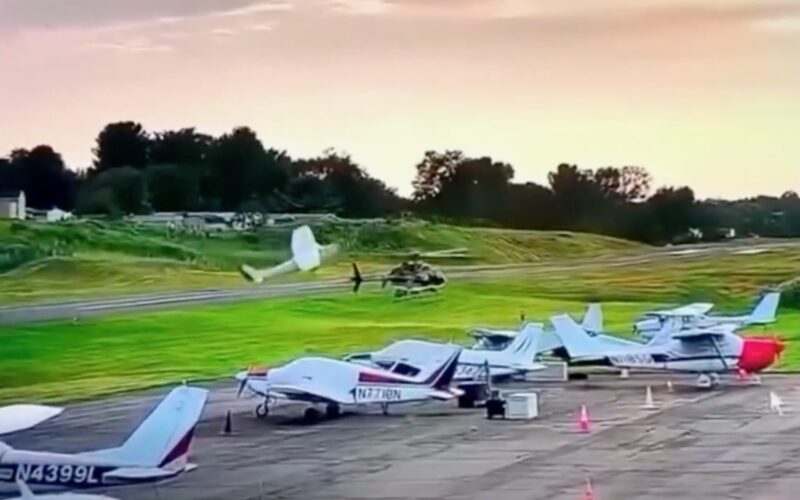
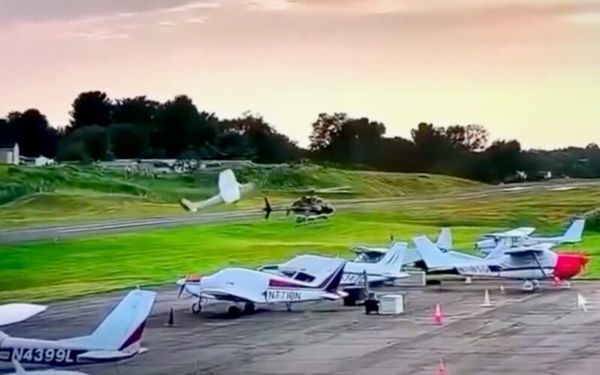
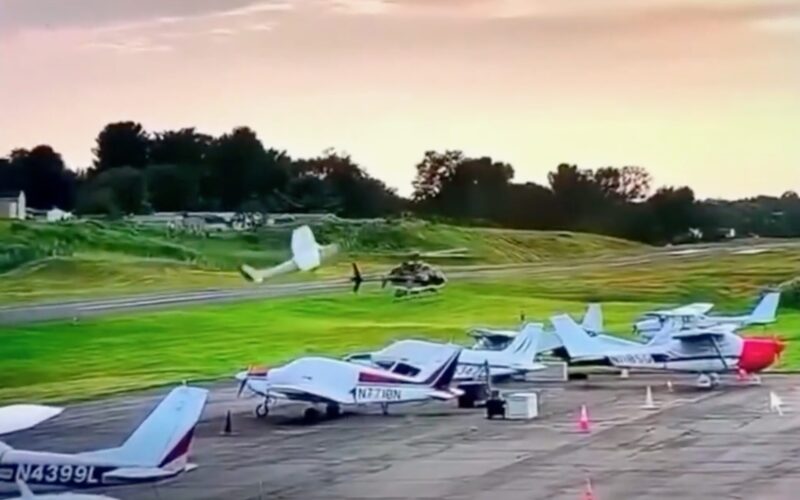
The helicopter, a Bell 407 based out of Harrisburg, was conducting a routine training exercise, hovering several feet above a grassy area beside the runway, when the Cessna struck it from behind. Acting Commissioner Col. George Bivens said the plane veered hard to the right at the last moment as it came down along the runway, striking the helicopter's tail rotor before hitting the main rotor in what he called a "very violent crash." The helicopter lost its rotor blades and tail boom and rolled onto its side; the Cessna broke apart a short distance away.
NTSB investigator-in-charge Aaron McCarter described the Cessna's flight path as "unusual": the plane came in straight and level, pitched up sharply, made a left turn, leveled off, and then flew into the back of the helicopter. Investigators said the two aircraft had been in radio contact before the crash and had evidence the Cessna pilot knew the helicopter was hovering nearby, though why the plane flew that pattern remains unexplained.
Emergency crews responded to the scene. The two troopers were initially trapped in the wreckage before one pushed out a window and helped the other escape.
Investigation underway
The FAA and NTSB have taken over the investigation. The NTSB, which typically leads civilian aviation accident probes, is examining the wreckage, reviewing communications, and interviewing witnesses. Carlisle Regional is an uncontrolled airport with no tower; pilots coordinate on a shared radio frequency.
Investigators are looking at the pilot's flight pattern and altitude, weather conditions (reported as good), and whether maintenance the pilot reportedly performed on the Cessna earlier that day played a role. The wreckage is being moved to a secure NTSB facility in Delaware for further study.
A preliminary NTSB report is typically released within a few weeks; a full investigation and final report can take one to two years.

The aircraft involved
The Cessna 150 is a small, two-seat, single-engine plane commonly used for flight training. Pennsylvania State Police operate a fleet of Bell 407 helicopters for search and rescue, traffic enforcement, criminal investigations, and medical transport. The helicopter involved was assigned to the agency's aviation unit and was performing a training maneuver known as a "hover taxi" at the time of the collision.
Community response
Carlisle is a borough in Cumberland County. Local officials and first responders arrived quickly, working with state and federal agencies to secure the scene, and nearby roads were briefly closed. Witnesses reported hearing the collision, and airport surveillance video later verified by news outlets captured the moment of impact.

Analysis: How Spirit Airlines Changed Airline Pricing, then Paid the Price
Aviation safety context
Midair collisions between civilian aircraft and law enforcement helicopters remain rare in the U.S. The NTSB tracks such incidents and issues safety recommendations from its findings.
Federal rules require pilots operating under visual flight rules to see and avoid other aircraft. At uncontrolled airports like Carlisle Regional, there are no controllers to assist with separation; pilots must communicate intentions on a common frequency and stay alert for other traffic.
American Airlines Swaps Landline Buses for CRJ-700 Flights on 84-Mile South Bend to Chicago Route » 4th vs 5th Generation Fighter Jets: How Fighter Jets Have Evolved » Aviation Fuel Prices Hit Six-Month High in September »
Comments (1)
 Rick Bennette
Rotor wash from the helicopter may have caused wake turbulence to the small Cessna 150, and the pilot overcompensated. Rotor wash at hover can extend hundreds of feet in all directions as the hover is underway.
Rick Bennette
Rotor wash from the helicopter may have caused wake turbulence to the small Cessna 150, and the pilot overcompensated. Rotor wash at hover can extend hundreds of feet in all directions as the hover is underway.
Add Your Comment
TAGS
NEWS Cessna Helicopter Cessna 150 Collision Pennsylvania Bell 407RECENTLY PUBLISHED
 This Week in Aviation: The 10 Stories That Mattered Most
From major airline developments to aircraft updates and industry shifts, this weekly recap highlights the ten most-read aviation stories from the week of October 04.
INFORMATIONAL
READ MORE »
This Week in Aviation: The 10 Stories That Mattered Most
From major airline developments to aircraft updates and industry shifts, this weekly recap highlights the ten most-read aviation stories from the week of October 04.
INFORMATIONAL
READ MORE »
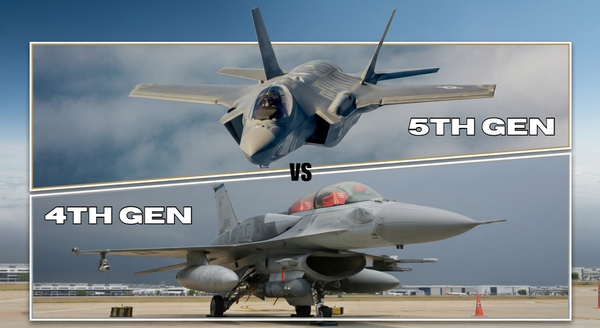 4th vs 5th Generation Fighter Jets: How Fighter Jets Have Evolved
A look at what separates fourth- and fifth-generation fighter jets, from stealth and sensor fusion to combat capability and cost.
INFORMATIONAL
READ MORE »
4th vs 5th Generation Fighter Jets: How Fighter Jets Have Evolved
A look at what separates fourth- and fifth-generation fighter jets, from stealth and sensor fusion to combat capability and cost.
INFORMATIONAL
READ MORE »
 United 777 Diverts to Dublin After Cockpit Windscreen Cracks Over the Atlantic
A United Airlines Boeing 777 bound for Milan made a steep descent and diverted to Dublin after its cockpit windscreen cracked mid-flight.
NEWS
READ MORE »
United 777 Diverts to Dublin After Cockpit Windscreen Cracks Over the Atlantic
A United Airlines Boeing 777 bound for Milan made a steep descent and diverted to Dublin after its cockpit windscreen cracked mid-flight.
NEWS
READ MORE »
More than just headlines.
Get unlimited ad-free access to in-depth aviation news, premium stories, and exclusive insights other sites don't cover.
- Ad-free browsing on AeroXplorer
- Unlimited access to premium and exclusive articles
- Higher photo upload limits & commissions on sales
- Free access to Jetstream Magazine on higher tiers
- Ad-free browsing
- Sell aviation photos with 60% commission
- First week free!
- Everything in Basic+
- Unlimited premium articles
- Sell aviation photos with 70% commission
- Free Digital subscription to Jetstream Magazine
- First week free!
- Everything in Basic+ and Pro
- Sell aviaiton photos with 80% commission
- Early access to exclusive stories
- Free Digital+Print subscription to Jetstream Magazine