
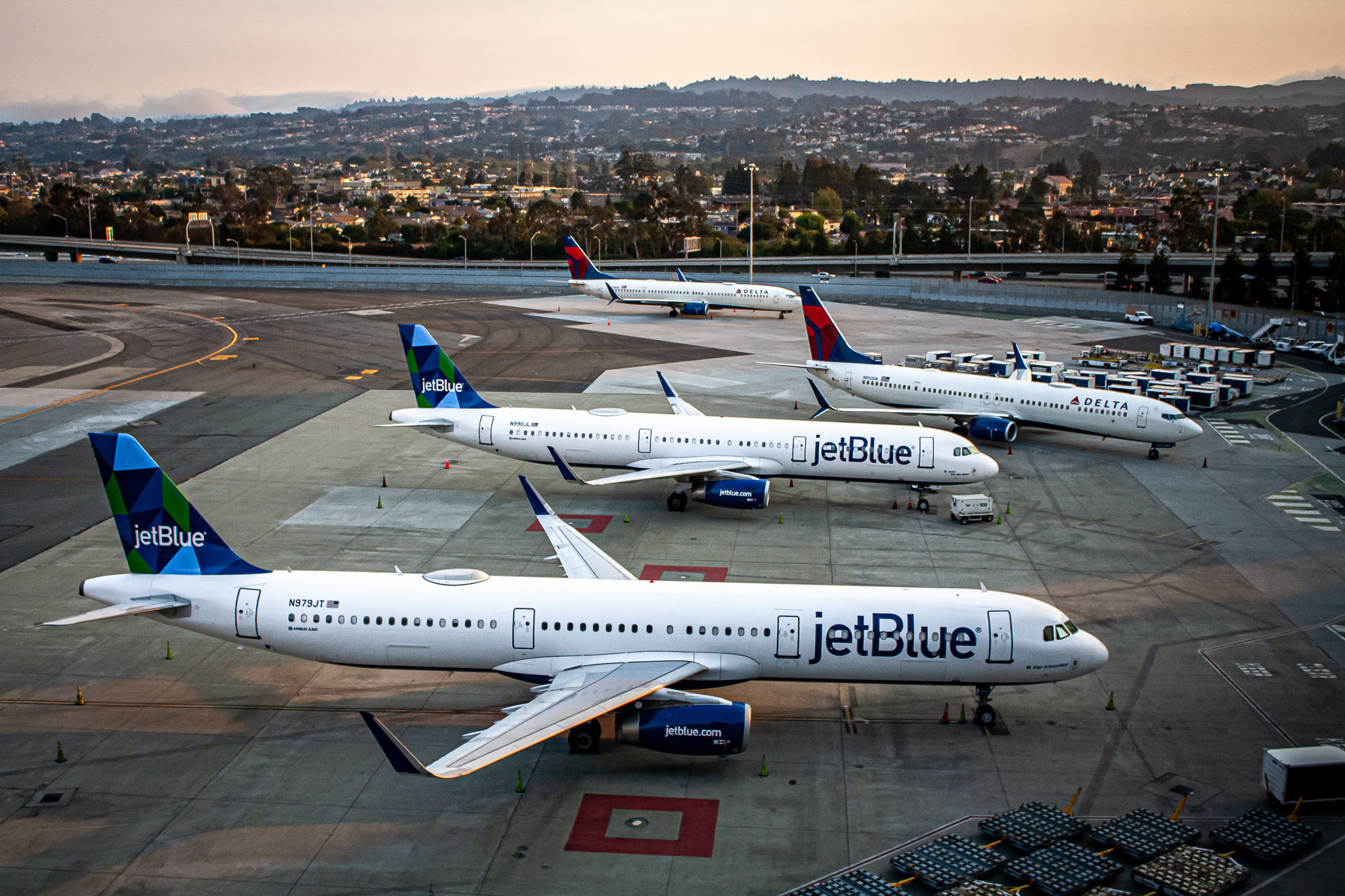

The low-cost playbook that reshaped US air travel for two decades is showing serious cracks. A new analysis indicates that budget airlines have lost much of the pricing advantage that defined their business, while legacy carriers continue to expand premium offerings and adjust capacity in ways that squeeze the discounters.
The fare gap between US ultra-low-cost carriers and the big three network airlines has narrowed sharply over the past year. For travelers who track ticket prices closely, the shift helps explain why a basic economy seat on Delta, United, or American often lands within a few dollars of what you would pay on Spirit, Frontier, or Allegiant.
What changed in the market
Budget carriers built their model on stripped-down fares, dense seating, and fees layered on top of a low base price. That formula worked when legacy airlines treated the bottom of the market as an afterthought. It works less well now.
Major carriers responded by launching their own basic economy products, matching headline fares on overlapping routes, and using scale to absorb higher fuel and labor costs. They also leaned harder into premium cabins, where demand has stayed strong even as price-sensitive leisure travelers pulled back. Premium revenue at the largest US airlines has grown faster than main cabin revenue, giving them a cushion that discounters simply do not have.
The result is a market where the ultra-low-cost segment no longer owns the cheapest seat on many routes. When a network carrier can match a Spirit fare and throw in a larger route map, a frequent flyer program, and interline options when things go wrong, the value proposition shifts.

Financial pressure on the discounters
The strain on budget airlines has been visible for more than a year. Spirit Airlines filed for Chapter 11 bankruptcy protection after its proposed merger with JetBlue was blocked by a federal judge in early 2024 on antitrust grounds. The carrier has since restructured, cut routes, and tried to reposition itself with bundled fares aimed at travelers who want a bit more than the bare bones product.
Frontier has pursued a similar pivot, adding business-style seating options and trimming unprofitable flying. JetBlue, which sits between the budget and legacy worlds, has also retrenched, dropping cities and delaying aircraft deliveries to conserve cash.
Engine problems tied to the Pratt and Whitney geared turbofan have made the picture worse. Spirit has been among the carriers most affected by groundings, which limits how quickly any low-cost airline can grow back into a recovery.
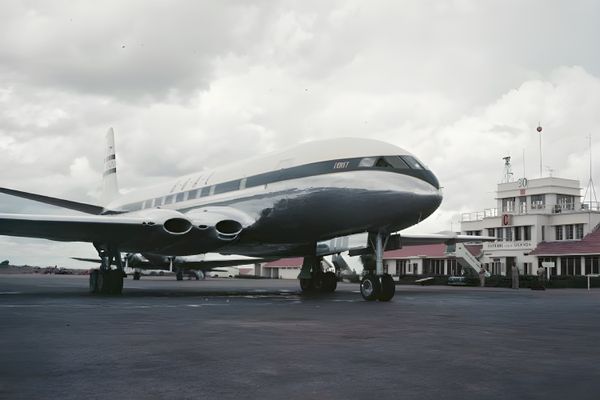
The Shape of Disaster: The Plane That Kept Falling Apart Mid-Air
Why legacy carriers are pulling ahead
Three factors stand out for anyone tracking the industry.
First, route overlap. Legacy carriers have grown their presence at airports that budget airlines once dominated, including secondary markets across the Southeast and Southwest. When American or Delta adds frequencies on a Spirit route, the discounter loses pricing power quickly.
Second, loyalty economics. Co-branded credit card deals generate billions in stable cash flow for the big three. Those programs reward travelers for sticking with one carrier, and they fund operations in ways that fee revenue alone cannot match for the discounters.
Third, premium demand. Corporate travel has not fully returned to prior peaks, but high end leisure spending has filled the gap. Travelers who want extra legroom, lie flat seats on transcontinental routes, or international premium economy are paying for it. Budget airlines, by design, cannot serve that customer.

What this means for travelers
If you book domestic flights regularly, you have probably already noticed the shift. The cheapest fare on a given route is increasingly likely to come from a network carrier rather than an ultra-low-cost one, especially when you book a few weeks out rather than at the last minute.
You should also expect more bundled products. Spirit and Frontier are both selling fares that include a carry-on bag, seat assignment, and sometimes priority boarding. The headline price is higher, but the total cost lines up more closely with what you would pay elsewhere. That makes apples-to-apples comparisons easier, which is a change from the fee-heavy model that frustrated passengers for years.
For frequent flyers, the practical takeaway is that loyalty programs matter more than they did a few years ago. Earning status or banking miles on a legacy carrier carries real value when the fare difference with a discounter is small or zero.
The road ahead
Consolidation talk has not gone away. Analysts continue to discuss whether Frontier and Spirit could revisit a tie-up now that the regulatory environment under the current administration looks more permissive than it did in 2024. Any deal would still face scrutiny, but the financial logic is stronger than ever for two carriers fighting for the same shrinking pool of price-sensitive travellers.
In the meantime, expect the big three to keep pressing their advantage. They have the balance sheets, the loyalty revenue, and the premium cabins to outlast a prolonged downturn in basic economy pricing. The budget model is not dead, but it needs to evolve. For now, the edge belongs to the carriers that once seemed most vulnerable to the discounters.
Southwest Airlines Considers Boeing 787 Order for Long-Haul International Expansion » British Airways Unveils World's Largest Business Class Cabin With 106 Seats Aboard Refurbished A380 Fleet » Southwest Airlines Blames Brief System Outage for Boarding Delays and Checked Bag Disruptions »

Comments (0)
Add Your Comment
TAGS
NEWS Budget Airlines Low-Cost Carriers Legacy Carriers Pricing Strategy Market Competition US Airline Industry Competitive Dynamics Fare Wars Revenue Management Market ShareRECENTLY PUBLISHED
 This Week in Aviation: The 10 Stories That Mattered Most
From major airline developments to aircraft updates and industry shifts, this weekly recap highlights the ten most-read aviation stories from the week of October 04.
INFORMATIONAL
READ MORE »
This Week in Aviation: The 10 Stories That Mattered Most
From major airline developments to aircraft updates and industry shifts, this weekly recap highlights the ten most-read aviation stories from the week of October 04.
INFORMATIONAL
READ MORE »
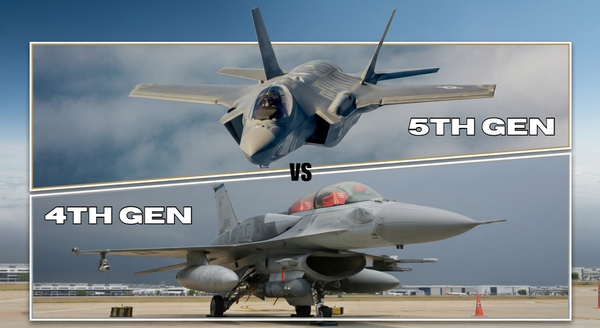 4th vs 5th Generation Fighter Jets: How Fighter Jets Have Evolved
A look at what separates fourth- and fifth-generation fighter jets, from stealth and sensor fusion to combat capability and cost.
INFORMATIONAL
READ MORE »
4th vs 5th Generation Fighter Jets: How Fighter Jets Have Evolved
A look at what separates fourth- and fifth-generation fighter jets, from stealth and sensor fusion to combat capability and cost.
INFORMATIONAL
READ MORE »
 United 777 Diverts to Dublin After Cockpit Windscreen Cracks Over the Atlantic
A United Airlines Boeing 777 bound for Milan made a steep descent and diverted to Dublin after its cockpit windscreen cracked mid-flight.
NEWS
READ MORE »
United 777 Diverts to Dublin After Cockpit Windscreen Cracks Over the Atlantic
A United Airlines Boeing 777 bound for Milan made a steep descent and diverted to Dublin after its cockpit windscreen cracked mid-flight.
NEWS
READ MORE »
More than just headlines.
Get unlimited ad-free access to in-depth aviation news, premium stories, and exclusive insights other sites don't cover.
- Ad-free browsing on AeroXplorer
- Unlimited access to premium and exclusive articles
- Higher photo upload limits & commissions on sales
- Free access to Jetstream Magazine on higher tiers
- Ad-free browsing
- Sell aviation photos with 60% commission
- First week free!
- Everything in Basic+
- Unlimited premium articles
- Sell aviation photos with 70% commission
- Free Digital subscription to Jetstream Magazine
- First week free!
- Everything in Basic+ and Pro
- Sell aviaiton photos with 80% commission
- Early access to exclusive stories
- Free Digital+Print subscription to Jetstream Magazine