
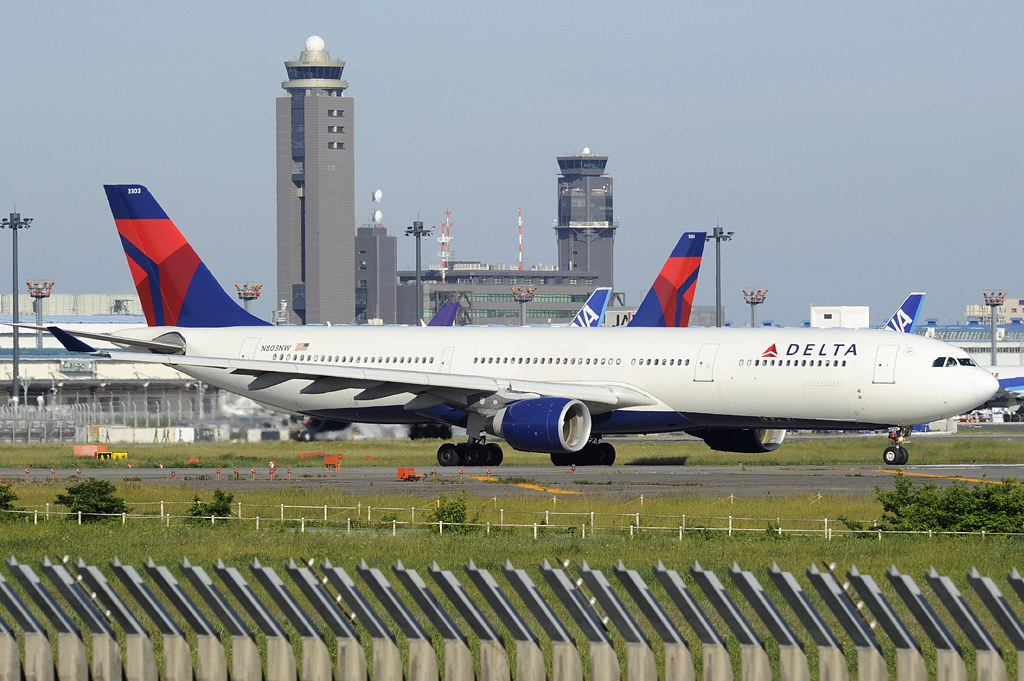

A Delta Air Lines flight from Barcelona to Atlanta on February 1 experienced an engine malfunction shortly after departure, forcing it to return to Josep Tarradellas Barcelona-El Prat Airport (BCN). The aircraft, a 20-year-old Airbus A330-300, has remained at the airport as of February 6. After an on-time departure, the engine trouble began as Delta flight DL195 reached 27,000 feet (8,230 meters) approximately 30 minutes into the flight.

Nearing cruising altitude, the pilots detected a performance problem in one engine and decided to return to Barcelona. The plane maintained speed and altitude, suggesting a relatively minor malfunction. Aviation authorities worldwide require aircraft in situations like this to turn back, even if the problem is not life-threatening.
The emergency return to BCN proceeded safely and successfully, landing approximately one hour after departure. The aircraft was grounded for further inspection as Delta mustered a Boeing 767-400ER out of Frankfurt, Germany, to ferry the stranded passengers to Atlanta a day later. That aircraft, 22 years old and initially scheduled to fly from Frankfurt to New York-JFK, made the flight to Atlanta without incident.

The power plants on the twin-engine Airbus involved were Pratt & Whitney PW-4000 turbofans, each capable of producing as much as 70,000 pounds of thrust - more than enough for the plane to land on one engine. However, there is no report of a complete engine failure in this incident. This engine model has a stellar service record, having been designed specifically for the A330 series. Their high bypass ratio enables more efficient operation and greater thrust.
The aircraft is registered N803NW and is part of the widely successful Airbus A330 series of widebody, twin-engine jets. The type's initial design dates back to 1971 but has seen multiple major overhauls over the years. Aircraft N803NW was delivered in 2003 and had been active for months without concerns, including on past international routes.

Delta operates dozens of Airbus widebody aircraft of the same and similar type, with no evidence linking this problem to other aircraft in the fleet. Serious flight malfunctions are rare, while minor issues have occurred at several major airlines in recent months, forcing flights to return similarly.
This particular Airbus had flown from JFK in New York to Barcelona the previous day without incident and maintained a full schedule to that point. It is currently unknown when the aircraft will return to flight duty, while Delta's flights out of Barcelona have continued without interruption.
Selma Blair Charged With Assault After Alleged Biting Incident on Delta Flight » Power Bank Fire in Overhead Bin Forces IndiGo A321neo to Divert » JetBlue Opens Sales for BlueFirst, Its First Domestic First Class Cabin »

Comments (0)
Add Your Comment
TAGS
NEWS Delta Air Lines Airbus A330-300 Engine Failure Technical Emergency Landing Safety Barcelona Spain Atlanta A330-300RECENTLY PUBLISHED
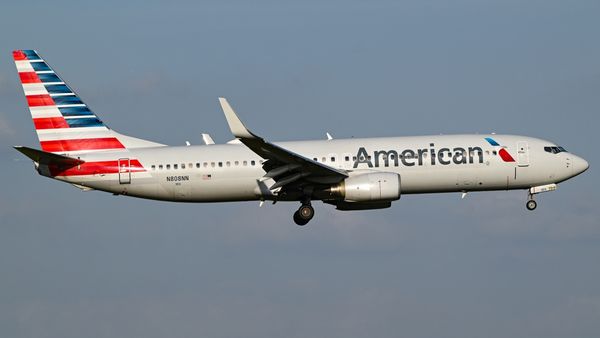 American Airlines 737 Diverts to Chicago O'Hare After Suspected Cabin Fire
An American Airlines Boeing 737 made an emergency landing at Chicago O'Hare after crew reported a suspected fire inside the cabin.
NEWS
READ MORE »
American Airlines 737 Diverts to Chicago O'Hare After Suspected Cabin Fire
An American Airlines Boeing 737 made an emergency landing at Chicago O'Hare after crew reported a suspected fire inside the cabin.
NEWS
READ MORE »
 FAA Nears Final Approval of Boeing 737 MAX 10 as Certification Review Concludes
The FAA has completed its final review of the Boeing 737 MAX 10, with certification expected as soon as next week after years of delays.
NEWS
READ MORE »
FAA Nears Final Approval of Boeing 737 MAX 10 as Certification Review Concludes
The FAA has completed its final review of the Boeing 737 MAX 10, with certification expected as soon as next week after years of delays.
NEWS
READ MORE »
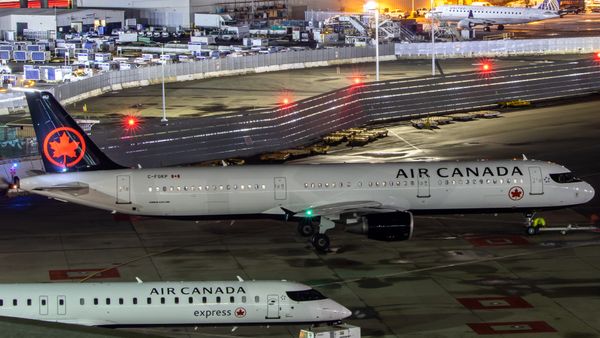 United and Air Canada Push to Expand Joint Venture Amid Cross-Border Travel Strains
United Airlines and Air Canada plan to add routes to their joint venture as political tensions dampen travel demand between the two countries.
NEWS
READ MORE »
United and Air Canada Push to Expand Joint Venture Amid Cross-Border Travel Strains
United Airlines and Air Canada plan to add routes to their joint venture as political tensions dampen travel demand between the two countries.
NEWS
READ MORE »
More than just headlines.
Get unlimited ad-free access to in-depth aviation news, premium stories, and exclusive insights other sites don't cover.
- Ad-free browsing on AeroXplorer
- Unlimited access to premium and exclusive articles
- Higher photo upload limits & commissions on sales
- Free access to Jetstream Magazine on higher tiers
- Ad-free browsing
- Sell aviation photos with 60% commission
- First week free!
- Everything in Basic+
- Unlimited premium articles
- Sell aviation photos with 70% commission
- Free Digital subscription to Jetstream Magazine
- First week free!
- Everything in Basic+ and Pro
- Sell aviaiton photos with 80% commission
- Early access to exclusive stories
- Free Digital+Print subscription to Jetstream Magazine