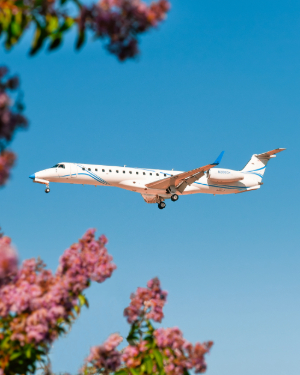
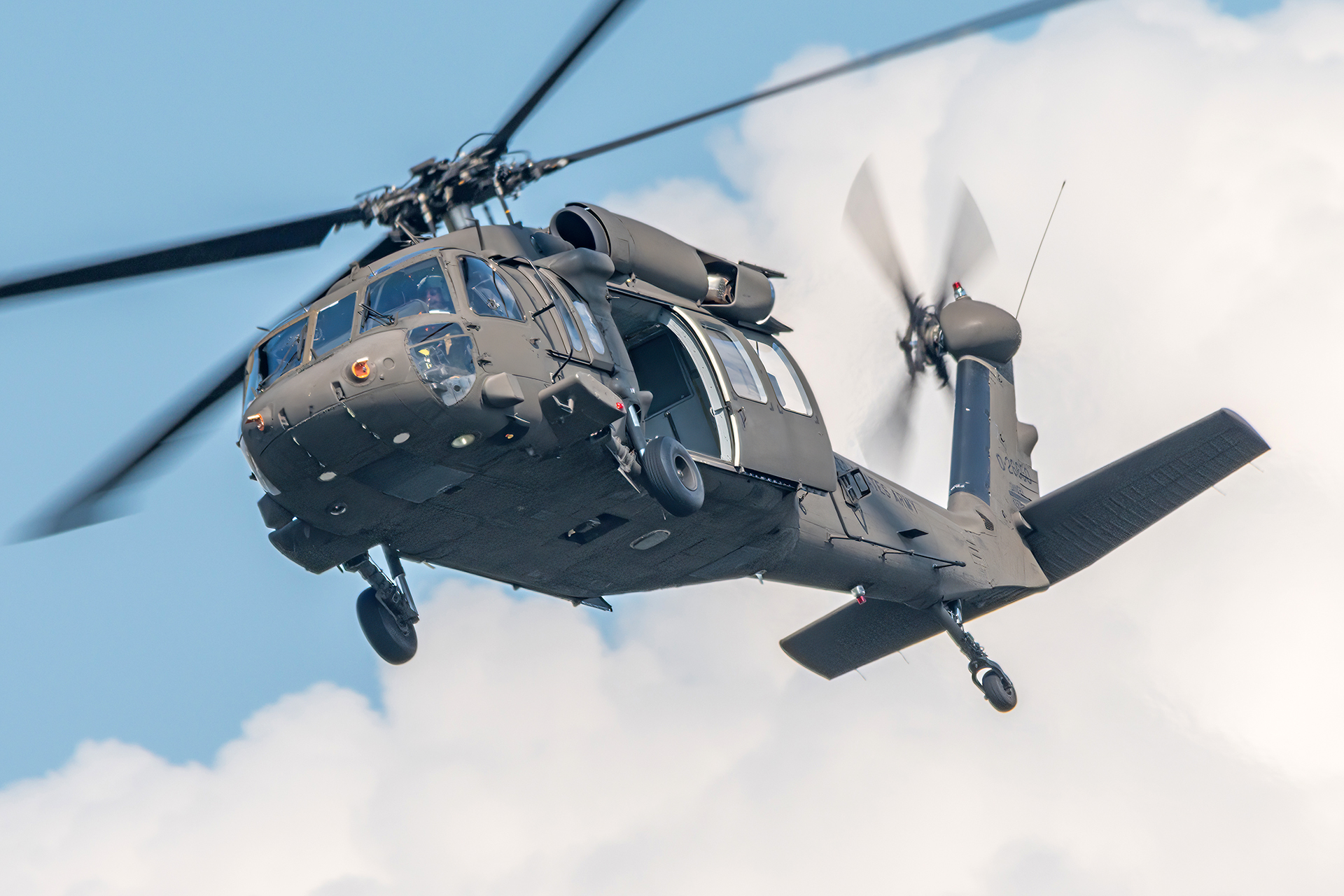

The U.S. Army has released findings that point to a cascade of systemic failures behind the January collision between a UH-60L Black Hawk helicopter and American Airlines Flight 5342 near Ronald Reagan Washington National Airport. The crash killed everyone aboard both aircraft and ranks as one of the deadliest U.S. aviation disasters in recent memory.
The collision occurred on the evening of January 29, 2025, as the regional jet approached Reagan National on a flight from Wichita, Kansas. The Black Hawk, assigned to the 12th Aviation Battalion based at Fort Belvoir, Virginia, was conducting a training mission along a congested helicopter corridor near the Potomac River. In total, 67 people died, including 64 aboard the airliner and the three soldiers in the helicopter.
What the Army Found
Army investigators concluded that the crash was not the result of a single catastrophic failure but of multiple compounding breakdowns across training, oversight, equipment use, and communication. According to the report, the crew misjudged their position in the airspace, flew above the authorized altitude for their route, and failed to execute a timely maneuver to avoid the inbound jet.
The helicopter was operating along Route 4, a low-altitude corridor that runs along the Potomac. The route carries a strict altitude ceiling designed to keep rotary-wing traffic clear of fixed-wing arrivals and departures at Reagan National. Investigators determined the Black Hawk was flying higher than the ceiling permitted when it struck the CRJ-700 operated by PSA Airlines on behalf of American Airlines.
The report also found that the crew had turned off a key piece of tracking equipment, the Automatic Dependent Surveillance-Broadcast (ADS-B) system, during the flight. While Army aircraft may legally operate with ADS-B Out disabled during certain sensitive missions, investigators questioned whether the practice was appropriate for a routine training flight in some of the busiest airspace in the country.

Photo: AeroXplorer/ Sam B
Communication Breakdowns
Investigators determined that communication between the helicopter crew and air traffic controllers at Reagan National was unclear in the critical seconds before impact. The crew acknowledged a traffic advisory from the tower regarding the inbound regional jet and indicated they would maintain visual separation. However, the report suggests the pilots may have been looking at the wrong aircraft or may have lost sight of Flight 5342 against the lights of the Washington skyline.
Controllers at Reagan National were working under conditions the Federal Aviation Administration has since acknowledged as understaffed. The report notes that reliance on visual separation in a congested, nighttime environment created risk that was not adequately mitigated by either the controlling agency or the aviation unit.

Analysis: How Spirit Airlines Changed Airline Pricing, then Paid the Price
Training and Oversight Concerns
The Army's review identified gaps in how the 12th Aviation Battalion trained and supervised its crews for operations in the National Capital Region. Investigators flagged inconsistent adherence to altitude restrictions along the Potomac corridor and found that similar deviations had occurred on previous flights without triggering corrective action.
Senior Army aviation leaders described the findings as a wake-up call for the service. The report calls for additional simulator training, closer scrutiny of route compliance, and a review of when ADS-B Out may be legitimately turned off.

The Victims
The three soldiers aboard the Black Hawk were Chief Warrant Officer 2 Andrew Loyd Eaves, Staff Sgt. Ryan Austin O'Hara, and Capt. Rebecca M. Lobach. The crew was conducting a check ride, a standard evaluation flight used to assess pilot proficiency.
Among those killed aboard Flight 5342 were members of the U.S. Figure Skating community returning from a development camp in Wichita, including young athletes, coaches, and family members. Their deaths drew national attention and prompted tributes across the sport.
A Broader Reckoning
The National Transportation Safety Board is conducting a separate investigation that will produce its own findings on probable cause. The NTSB has already issued urgent safety recommendations calling on the FAA to restrict helicopter operations along certain segments of the Potomac route when fixed-wing traffic is landing on specific runways at Reagan National. The FAA has implemented new restrictions in response.
The Army report stops short of assigning blame to any single individual. Instead, it describes a system in which multiple safeguards failed simultaneously. Investigators wrote that no one factor caused the collision, but a combination of altitude deviation, degraded situational awareness, limited tracking data, and reliance on visual separation in a crowded corridor created the conditions for disaster.
Army leaders have pledged to implement the report's recommendations and to work with the FAA, the NTSB, and other agencies to prevent a similar accident. Changes already underway include revised route procedures, mandatory use of certain tracking equipment during training flights in the Washington area, and additional oversight of check rides conducted in high-density airspace.
For the families of the 67 people killed, the findings offer a partial accounting of what went wrong on a clear winter night over the Potomac. The full picture will depend on the NTSB's final report, which is expected in the months ahead.
Frontier Airlines Flight Attendant Restrains Passenger Who Lunged for Cabin Door During Atlanta Jet Bridge Delay » This Week in Aviation: The 10 Stories That Mattered Most » Why Did Some Air India A320s Have Extra Wheels? Bogie Gear Explained »

Comments (0)
Add Your Comment
TAGS
NEWS Black Hawk Collision Reagan National Airport US Army Midair Collision Aviation Safety Systemic Failures NTSB Military Aviation Accident InvestigationRECENTLY PUBLISHED
 NetJets Expands US Footprint With Three New Private Terminals and Larger Palm Beach Facility
NetJets announces exclusive-use terminals in Dallas, Washington, and Palm Beach, expanding private aviation infrastructure across key US markets.
NEWS
READ MORE »
NetJets Expands US Footprint With Three New Private Terminals and Larger Palm Beach Facility
NetJets announces exclusive-use terminals in Dallas, Washington, and Palm Beach, expanding private aviation infrastructure across key US markets.
NEWS
READ MORE »
 Why Did Some Air India A320s Have Extra Wheels? Bogie Gear Explained
Why Air India operated select Airbus A320s with an unusual bogie landing gear.
INFORMATIONAL
READ MORE »
Why Did Some Air India A320s Have Extra Wheels? Bogie Gear Explained
Why Air India operated select Airbus A320s with an unusual bogie landing gear.
INFORMATIONAL
READ MORE »
 Heathrow Cites Airline Demand for Slots as Third Runway Review Continues
Heathrow says more than 40 airlines want slots at the UK hub, strengthening the case for a third runway as Parliament reviews expansion plans.
NEWS
READ MORE »
Heathrow Cites Airline Demand for Slots as Third Runway Review Continues
Heathrow says more than 40 airlines want slots at the UK hub, strengthening the case for a third runway as Parliament reviews expansion plans.
NEWS
READ MORE »
More than just headlines.
Get unlimited ad-free access to in-depth aviation news, premium stories, and exclusive insights other sites don't cover.
- Ad-free browsing on AeroXplorer
- Unlimited access to premium and exclusive articles
- Higher photo upload limits & commissions on sales
- Free access to Jetstream Magazine on higher tiers
- Ad-free browsing
- Sell aviation photos with 60% commission
- First week free!
- Everything in Basic+
- Unlimited premium articles
- Sell aviation photos with 70% commission
- Free Digital subscription to Jetstream Magazine
- First week free!
- Everything in Basic+ and Pro
- Sell aviaiton photos with 80% commission
- Early access to exclusive stories
- Free Digital+Print subscription to Jetstream Magazine