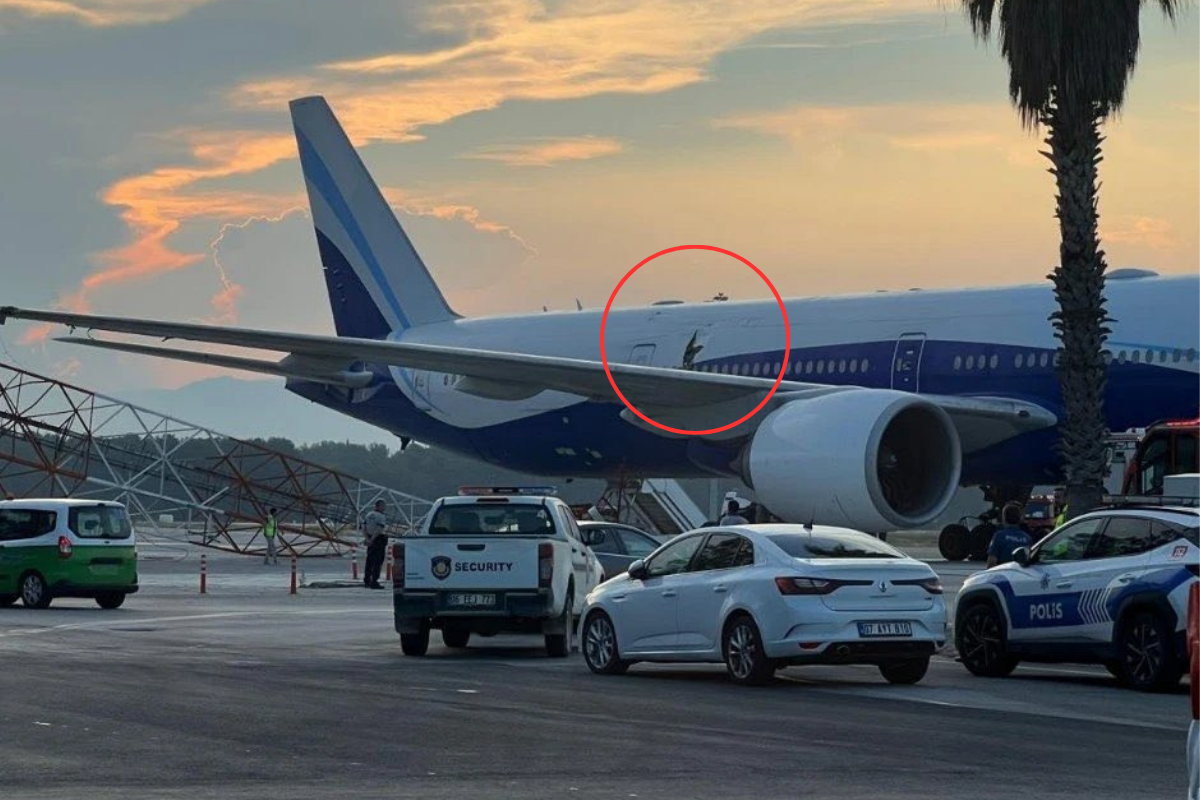
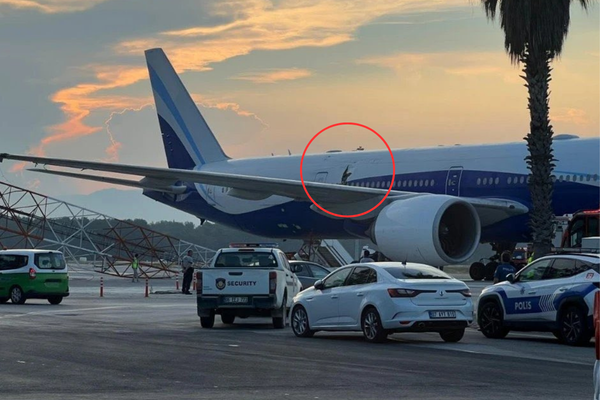
A Turkish Airlines Boeing 777 sustained significant damage after striking a ground-based radar tower during taxiing on arrival in Antalya after operating flight TK2430 from Istanbul. The collision drove an antenna mast through the side of the aircraft, leaving a visible hole in the passenger cabin.
Turkey's Ministry of Transport stated that the aircraft had entered the taxiway from the wrong lane after landing, navigating a route that was not cleared for a widebody aircraft of its size. As the widebody jet maneuvered along the ground, its right wing struck the radar mast, toppling the structure. Part of the tower then pierced the fuselage above the wing, penetrating the cabin interior.
What Happened on the Ground
According to reports from Simple Flying, the aircraft had just landed and was taxiing toward its parking stand when the crew deviated from the correct path. The Boeing 777's wingtip made contact with the radar installation positioned near the taxiway, knocking the tower from its base.
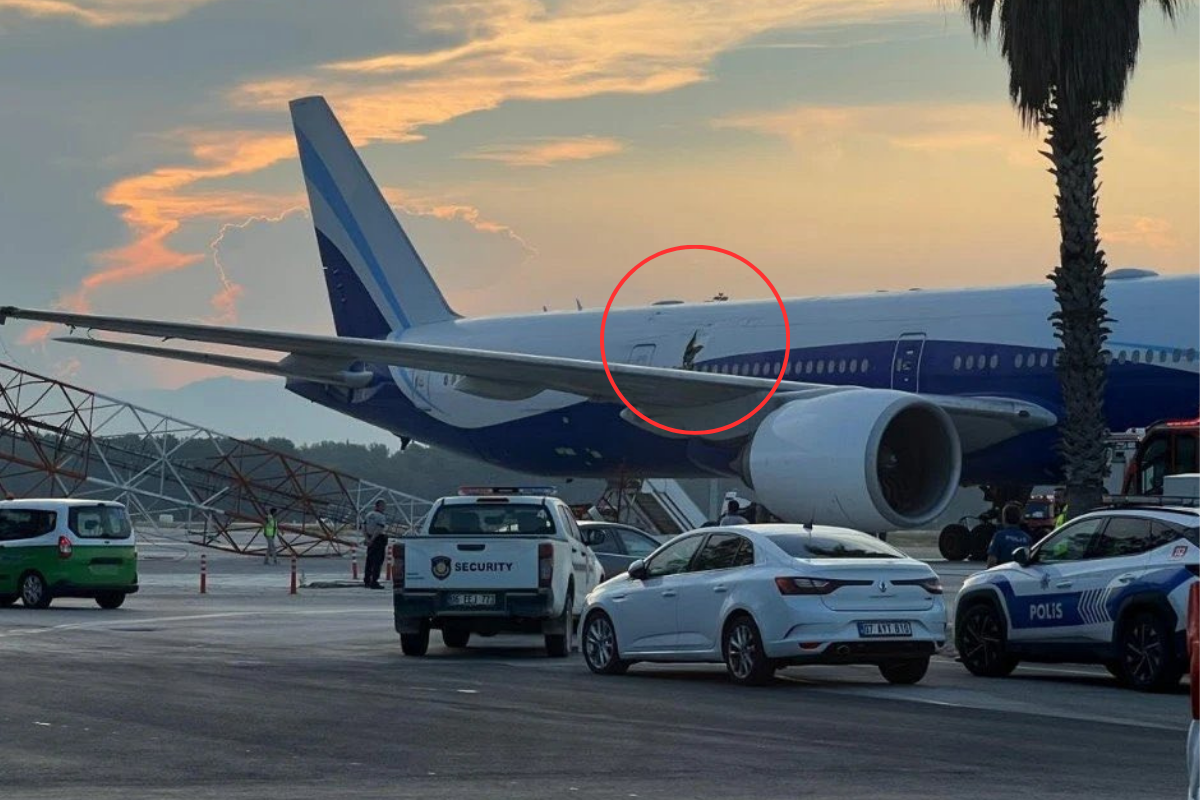
Photographs from the scene show a substantial puncture in the aircraft's fuselage, with the antenna structure protruding through the cabin wall. The damage appeared concentrated in the area above the wing root, raising immediate questions about the aircraft's airworthiness and the timeline for repairs.
At least one passenger sustained injuries during the incident, though some local media reports suggested the number of those affected may have been higher. No life-threatening injuries were reported among the 267 passengers on board. Ground crews secured the area while engineers began assessing the extent of the structural damage.
The Aircraft Involved
The Boeing 777 is one of the largest twin-engine widebody aircraft in commercial service, with a wingspan that exceeds 200 feet. Its size makes ground navigation at smaller or unfamiliar airports particularly demanding, requiring careful attention to taxiway markings, clearances, and obstacles positioned near aircraft movement areas.
Turkish Airlines operates a substantial fleet of 777s on long-haul routes connecting Istanbul to destinations across Africa, Asia, and the Americas. Antalya serves as one of Turkey's busiest tourism hubs, with regular Turkish Airlines service connecting the Mediterranean resort city to its Istanbul base.

Analysis: How Spirit Airlines Changed Airline Pricing, then Paid the Price
How a Wrong Turn Becomes a Major Incident
Taxi route deviations rank among the more common causes of ground incidents at commercial airports. Pilots rely on a combination of ground control instructions, airport diagrams, and visual cues such as painted lines and lighted signs to navigate complex taxiway networks. Errors can occur at unfamiliar airports, during low-visibility conditions, or when signage is unclear.
What separates a minor wrong turn from a damaging collision often comes down to what lies near the taxiway. Standard wingtip clearance requirements exist precisely to keep large aircraft away from buildings, signage, and equipment. When clearances are tight or obstacles sit closer than expected, even a small deviation can produce serious consequences.
In this case, the radar mast stood close enough to the aircraft's path that the wing struck it during the errant turn. The force of the impact toppled the structure, and its momentum carried it into the fuselage rather than away from the aircraft.

Repair and Investigation Outlook
Damage of this nature typically requires extensive structural repair. Fuselage punctures on a pressurized aircraft demand careful inspection of the surrounding skin, frames, and stringers to ensure the airframe maintains its structural integrity. Boeing and Turkish Airlines engineers will likely need to determine whether the repairs can be carried out in Antalya or whether the aircraft must be ferried elsewhere on a special flight permit.
Turkish aviation authorities, led by the Civil Aviation Authority, known as the SHGM, are expected to investigate the circumstances that led to the collision. Investigators will examine air traffic control communications, the flight crew's actions, airport signage and lighting conditions, and the placement of the radar installation relative to active taxiways.
The radar tower itself will also require replacement or significant repair, potentially affecting some air traffic control functions at the airport until services are restored.
Turkish Airlines has not yet released a detailed public statement on the cost of repairs or how long the aircraft will remain out of service. Passengers booked on the affected route were rebooked on alternative services.
Ryanair Points Finger at Faulty Passport Kiosks as EU Border Delays Return » Frontier Airlines Launches First-Ever Service to Colombia With Three New Routes » Over 709 Flights Delayed, 110 Canceled as Travel Chaos Sweeps U.S. Airports »

Comments (0)
Add Your Comment
TAGS
NEWS Turkish Airlines Boeing 777 Ground-Collision AntalyaRECENTLY PUBLISHED
 This Week in Aviation: The 10 Stories That Mattered Most
From major airline developments to aircraft updates and industry shifts, this weekly recap highlights the ten most-read aviation stories from the week of September 06.
INFORMATIONAL
READ MORE »
This Week in Aviation: The 10 Stories That Mattered Most
From major airline developments to aircraft updates and industry shifts, this weekly recap highlights the ten most-read aviation stories from the week of September 06.
INFORMATIONAL
READ MORE »
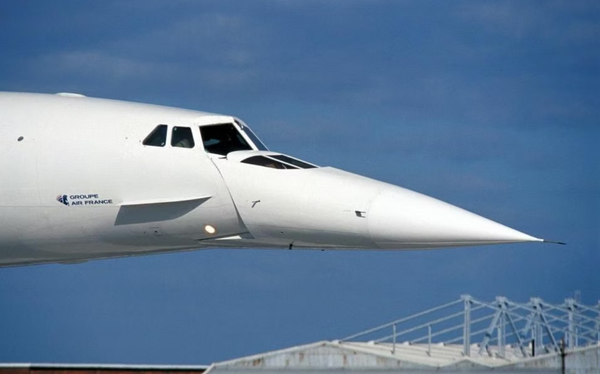 Concorde's Droop-Nose Mechanism: Why It Existed and How It Worked
Concorde's iconic droop-nose mechanism explained.
INFORMATIONAL
READ MORE »
Concorde's Droop-Nose Mechanism: Why It Existed and How It Worked
Concorde's iconic droop-nose mechanism explained.
INFORMATIONAL
READ MORE »
 This Startup Wants to Put a Doctor on Every Aircraft
Skali connects flight crews with emergency physicians in 90 seconds, helping manage medical emergencies and prevent costly aircraft diversions.
STORIES
READ MORE »
This Startup Wants to Put a Doctor on Every Aircraft
Skali connects flight crews with emergency physicians in 90 seconds, helping manage medical emergencies and prevent costly aircraft diversions.
STORIES
READ MORE »
More than just headlines.
Get unlimited ad-free access to in-depth aviation news, premium stories, and exclusive insights other sites don't cover.
- Ad-free browsing on AeroXplorer
- Unlimited access to premium and exclusive articles
- Higher photo upload limits & commissions on sales
- Free access to Jetstream Magazine on higher tiers
- Ad-free browsing
- Sell aviation photos with 60% commission
- First week free!
- Everything in Basic+
- Unlimited premium articles
- Sell aviation photos with 70% commission
- Free Digital subscription to Jetstream Magazine
- First week free!
- Everything in Basic+ and Pro
- Sell aviaiton photos with 80% commission
- Early access to exclusive stories
- Free Digital+Print subscription to Jetstream Magazine