On December 19, the fiery spectacle of a volcanic eruption on Iceland's Reykjanes peninsula unfolded, casting a glow of uncertainty over aviation and tourism in the region. While the eruption itself showcased the Earth's awe-inspiring power, its consequences on air travel and the tourism industry became immediate areas of concern.

The Icelandic government swiftly reassured that flights were unlikely to be affected, seeking to dispel the haunting memories of the widespread chaos caused by the ash cloud from the 2010 eruption.
Despite the mesmerizing visuals of lava and smoke soaring over 100 meters into the sky, officials emphasized that the eruption did not directly threaten life. This assurance was particularly aimed at quelling fears of repeated extensive flight cancellations and disruptions over Europe in 2010.

The eruption occurred after weeks of intense seismic activity, leading to the evacuation of nearly 4,000 residents from Grindavik, located approximately 40 km southwest of Reykjavik. As the lava flows moved away from the town, hopes arose for the safety of local homes, but the situation remained dynamic, with ongoing seismic activity.
Regarding aviation, Keflavík International Airport (KEF), a crucial hub for international flights, remained open. Unlike the 2010 eruption, experts suggested that its characteristics, specifically the lack of significant volcanic ash in the atmosphere, made it less likely to disrupt air travel. Aviation authorities and meteorological agencies closely monitored volcanic ash dispersion to make informed decisions about "airspace "closures or flight rerouting, ensuring passenger safety.

Tourism, a vital component of Iceland's economy, faced challenges and opportunities. The eruption drew awe-struck tourists who viewed the natural event as a once-in-a-lifetime experience. Undeterred by the volcanic activity, some expressed enthusiasm at witnessing the geological spectacle.
Wouter, a Dutch tourist, stated, "Our BnB hosts sent us a message that the volcano has erupted… It's a once in a lifetime for us so we don't want to miss that ... It's a bit far from here, but you can still see some lava coming up, for us this is amazing."

Conversely, due to the preceding seismic activity, the closure of popular attractions, such as the Blue Lagoon geothermal spa, impacted the tourism industry negatively. The eruption further raised uncertainties about the potential impact on other regional tourist destinations and activities.
"Unfortunately, the hope that had ignited in the hearts of many about the possibility of celebrating Christmas at home in Grindavik was extinguished when the eruption began yesterday," Grindavik Mayor Fannar Jonasson said in a statement addressing residents.

Hans Vera, a tourist from Belgium who was living in a house just east of Grindavik, had hoped residents would be allowed to return for good, or as long as possible, to a volcanic island. Unfortunately, the eruption changed things. "I don't see that in the near future they will let people get close to Grindavik. So we are back in the waiting game," he said.
He described his home near the sea as a winter paradise and said the prospect of not being able to spend the Christmas holidays there with his family was devastating. "We are not going to paradise this time around."

Residents, evacuated from Grindavik and uncertain about the fate of their homes, found themselves in a waiting game. The eruption, while not an immediate threat to life, added a layer of unpredictability to their lives and plans, particularly during the holiday season.
As the volcanic drama unfolded, the intricate interplay between nature's forces and human activities highlighted the need for resilient and adaptive measures in aviation and tourism. The ongoing monitoring of volcanic activity and its potential repercussions underscored the importance of preparedness and collaboration among authorities, scientists, and industry stakeholders to navigate the challenges of Iceland's dynamic geological landscape.
Alaska Airlines and LATAM Formally Dissolve Codeshare Partnership » AeroXplorer Named Official Media Partner for Airliners International 2026 in Denver » ATC ‘Keep Your Speed Up’ Instruction Preceded United 737 MAX 8 Houston Runway Excursion »

Comments (0)
Add Your Comment
SHARE
TAGS
NEWS Iceland Natural Disasters KEF TourismRECENTLY PUBLISHED
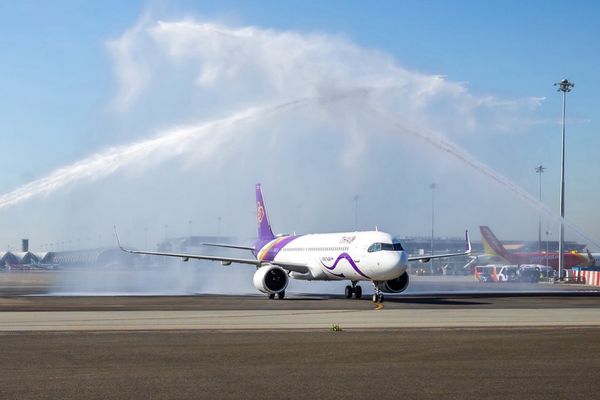 Thai Airways Welcomes First Airbus A321neo
Thai Airways International (THAI) has officially ushered in a new chapter for its regional operations with the delivery of its first Airbus A321neo. The aircraft, registered as HS-TOA and christened with the royal name "Bowonrangsi," touched down at Bangkok Suvarnabhumi Airport (BKK) following a delivery flight from Hamburg via Dubai in late December 2025.
ROUTES
READ MORE »
Thai Airways Welcomes First Airbus A321neo
Thai Airways International (THAI) has officially ushered in a new chapter for its regional operations with the delivery of its first Airbus A321neo. The aircraft, registered as HS-TOA and christened with the royal name "Bowonrangsi," touched down at Bangkok Suvarnabhumi Airport (BKK) following a delivery flight from Hamburg via Dubai in late December 2025.
ROUTES
READ MORE »
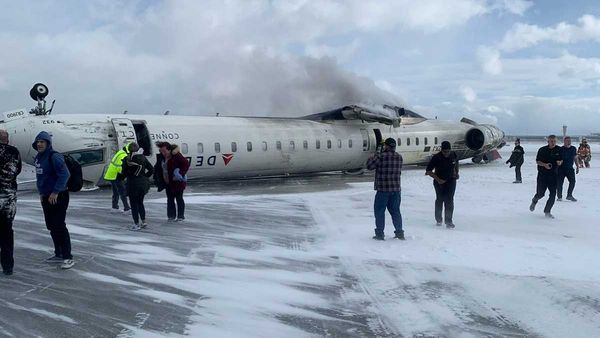 2025: Aviation Deaths are Down 27.3%, But Things Didn't Feel Safer
At first glance, the numbers for the year just passed are a triumph of engineering and oversight: total recorded incidents dropped by nearly 10%, and fatal accidents decreased by over 11%. However, beneath these encouraging drops in the death toll lies a statistic that should give every regulator pause: injuries are up.
STORIES
READ MORE »
2025: Aviation Deaths are Down 27.3%, But Things Didn't Feel Safer
At first glance, the numbers for the year just passed are a triumph of engineering and oversight: total recorded incidents dropped by nearly 10%, and fatal accidents decreased by over 11%. However, beneath these encouraging drops in the death toll lies a statistic that should give every regulator pause: injuries are up.
STORIES
READ MORE »
 Emirates A380 Makes Emergency Return to London Heathrow After New Year’s Eve Gear Failure
A high-capacity Emirates Airbus A380-800 was forced to make a precautionary return to London Heathrow Airport (LHR) on the afternoon of December 31, 2025, after encountering a technical malfunction with its landing gear system shortly after departure.
NEWS
READ MORE »
Emirates A380 Makes Emergency Return to London Heathrow After New Year’s Eve Gear Failure
A high-capacity Emirates Airbus A380-800 was forced to make a precautionary return to London Heathrow Airport (LHR) on the afternoon of December 31, 2025, after encountering a technical malfunction with its landing gear system shortly after departure.
NEWS
READ MORE »