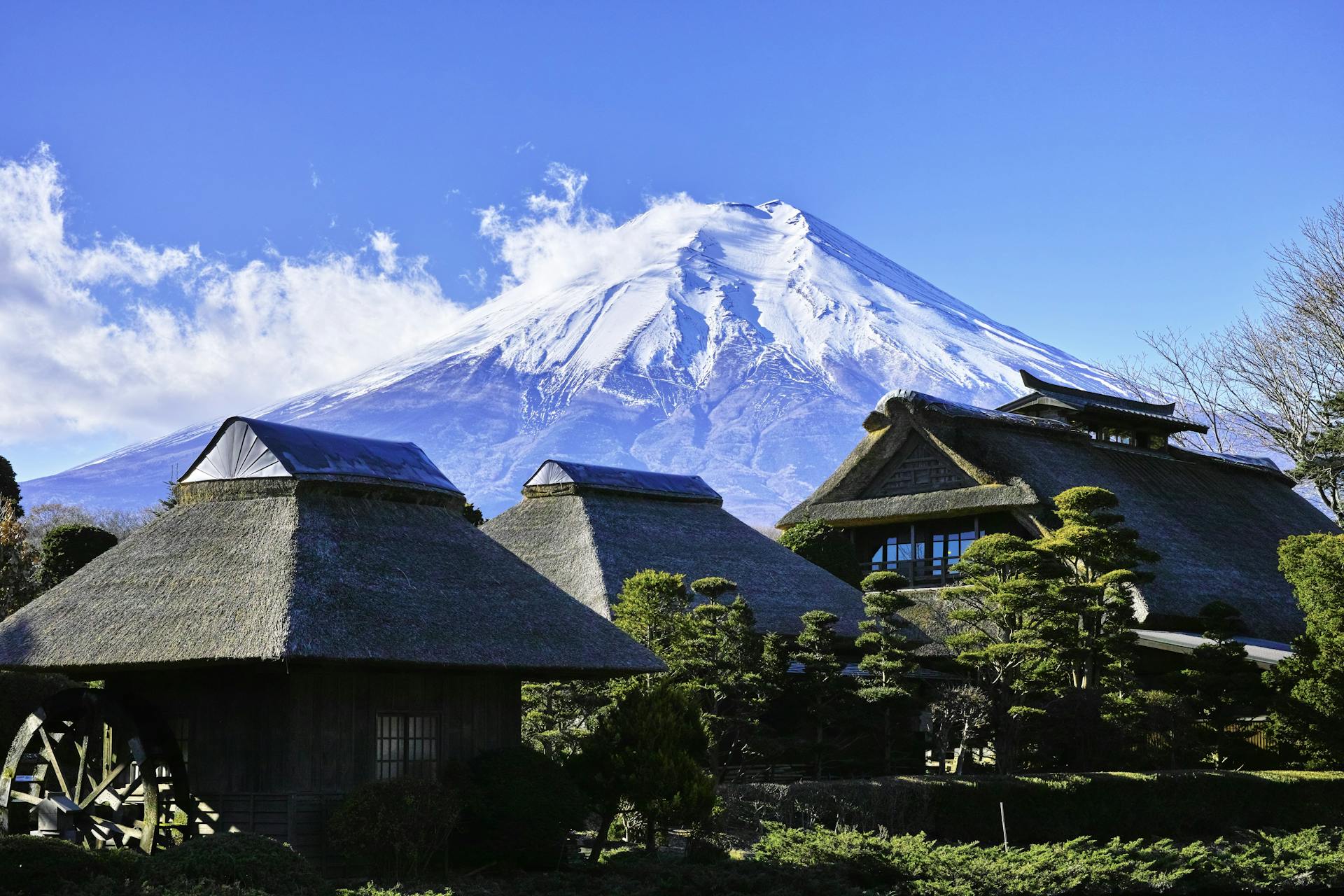
Climbing Mount Everest is neither an easy nor a cheap feat. At a height of just over 29,000 feet (~8,849 meters), reaching the summit of the world’s tallest mountain nearly puts climbers at the height at which aircraft cruise. Still, many experienced climbers and mountaineers from all over the world make the challenging ascent every year.
Today, we will examine and compare the costs of the two primary methods used to experience Mount Everest: by climbing the mountain or by taking a helicopter tour.
As of September 1st, 2025, Nepal's spring season permit fee for climbing Mount Everest will rise from $11,000 to $15,000 USD. High demand from spring season climbers requires higher prices to regulate the number of climbers on the mountain. However, climbing during off-seasons like fall and winter is not necessarily cheap either, with fall and winter permits falling around $7,500 and $3,750, respectively.
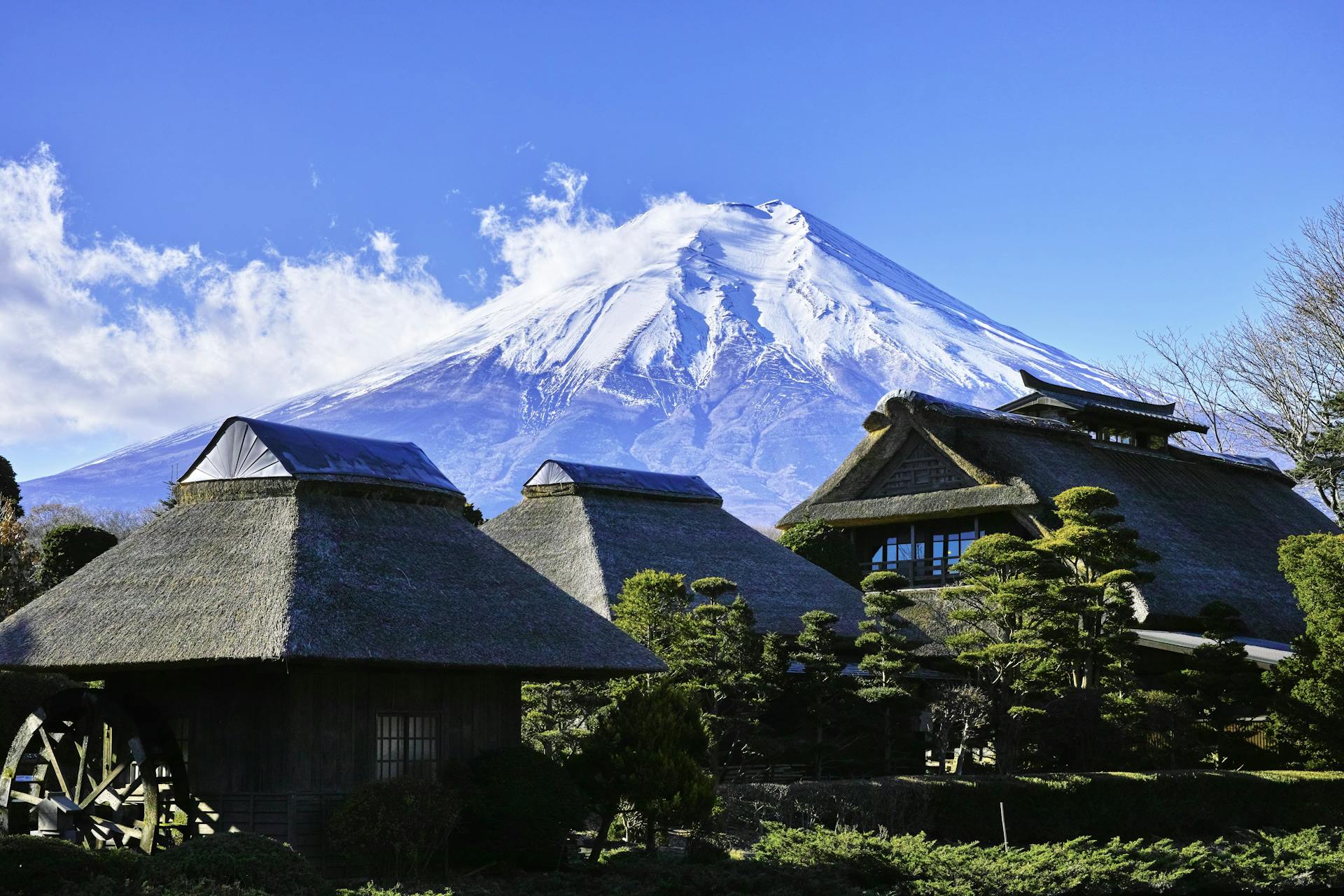
These numbers only relate to the permit fee; the total expedition cost is astronomically higher. Depending on the type of expedition selected, it can cost anywhere from $30,000 for the lowest package to over $100,000 for the most inclusive and premium adventures. These expeditions include the cost of the permit.
Packages and Pricing
The cheapest expeditions are the budget and Sherpa-supported groups that cost around $30,000 to $45,000. The Sherpa are local guides, often experienced mountaineers, who offer support to climbers. These groups offer basic logistical support such as food, lodging, and group gear, but do not offer comprehensive medical or height acclimatization support. There is a minimal sherpa-to-climber ratio, and the safety and guidance levels may vary. As such, these types of expeditions are usually best-suited for the more experienced climbers who know what to expect.
The next tier of expeditions is considered ‘mid-range,’ offering standard packages ranging between $45,000 and $65,000. These include permit, gear, logistics, guides, and base camp support. Furthermore, such packages have more experienced guides, better sherpa-to-climber ratios, quality equipment, oxygen systems, and acclimation planning.
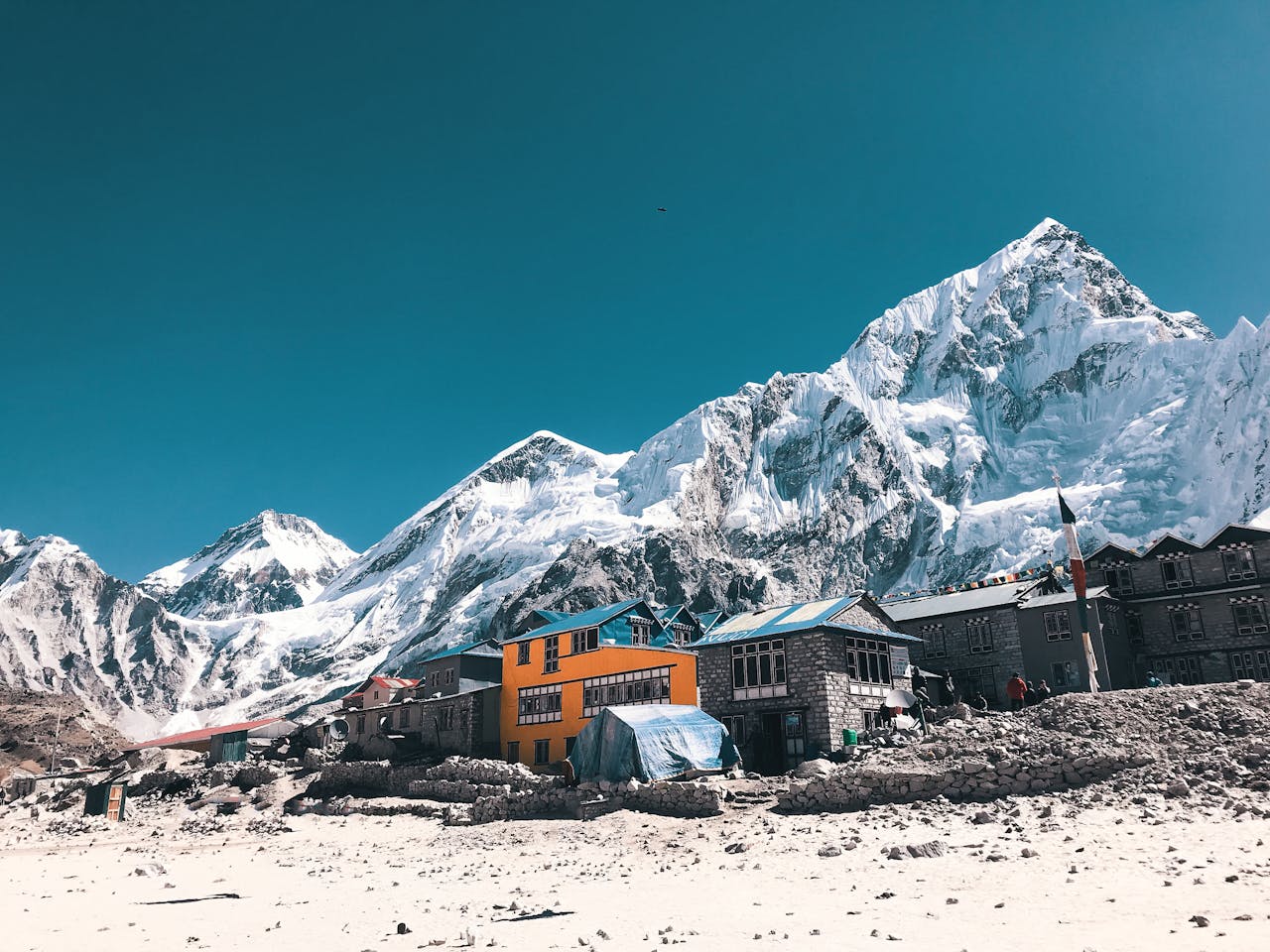
The final tier is the luxury, fast-track, and super-premium packages. These cost anywhere from $58,000 to upwards of $200,000 for the most signature packages. Such high costs are justified by VIP-level experiences, including helicopter transfers, pre-acclimatization protocols, smaller groups, elite guides, bespoke service, high-end medical support, and expedited timelines to reaching Everest’s summit. Unfortunately, the most expensive packages tend to be the safest, given all of the extra amenities offered. As such, for beginner climbers, these premium packages would be the safest bet.
Package Breakdown
For those looking to climb Everest, it also helps to have a cost breakdown of the different areas included in these packages. It is realistic to account $6,000-$15,000 for gear and equipment, which includes clothing, boots, oxygen gear, and sleeping bags. Support staff and oxygen cylinders can cost up to $0,000 and $5,000, respectively.
Given how treacherous the Everest climb is, it is imperative to have insurance and evacuation coverage. Pricing for these plans can range from $1,500 to $5,000, and helicopter rescue alone can cost $5,000 to $10,000.
Climbers also have to get to Everest. Flights into Kathmandu (KTM), Nepal’s primary international airport, can range from $1,000-$2000 for most economy class long-haul tickets. Lodging prices may vary — and many times these are included in the packages — but it helps to budget $500 to $2,000 per Sherpa guide or cook.
A Cheaper Way?
That just covered the hiking method of climbing Everest. However, there is a cheaper and faster way of experiencing the world’s tallest mountain, though travelers may not be able to touch the ground at all.
This is the helicopter tour method, which often does not include climbing to Everest’s summit. This option allows passengers to fly to either Everest Base Camp (EBC) or Kala Patthar, a prominent peak that is used as a viewing point of Mount Everest.
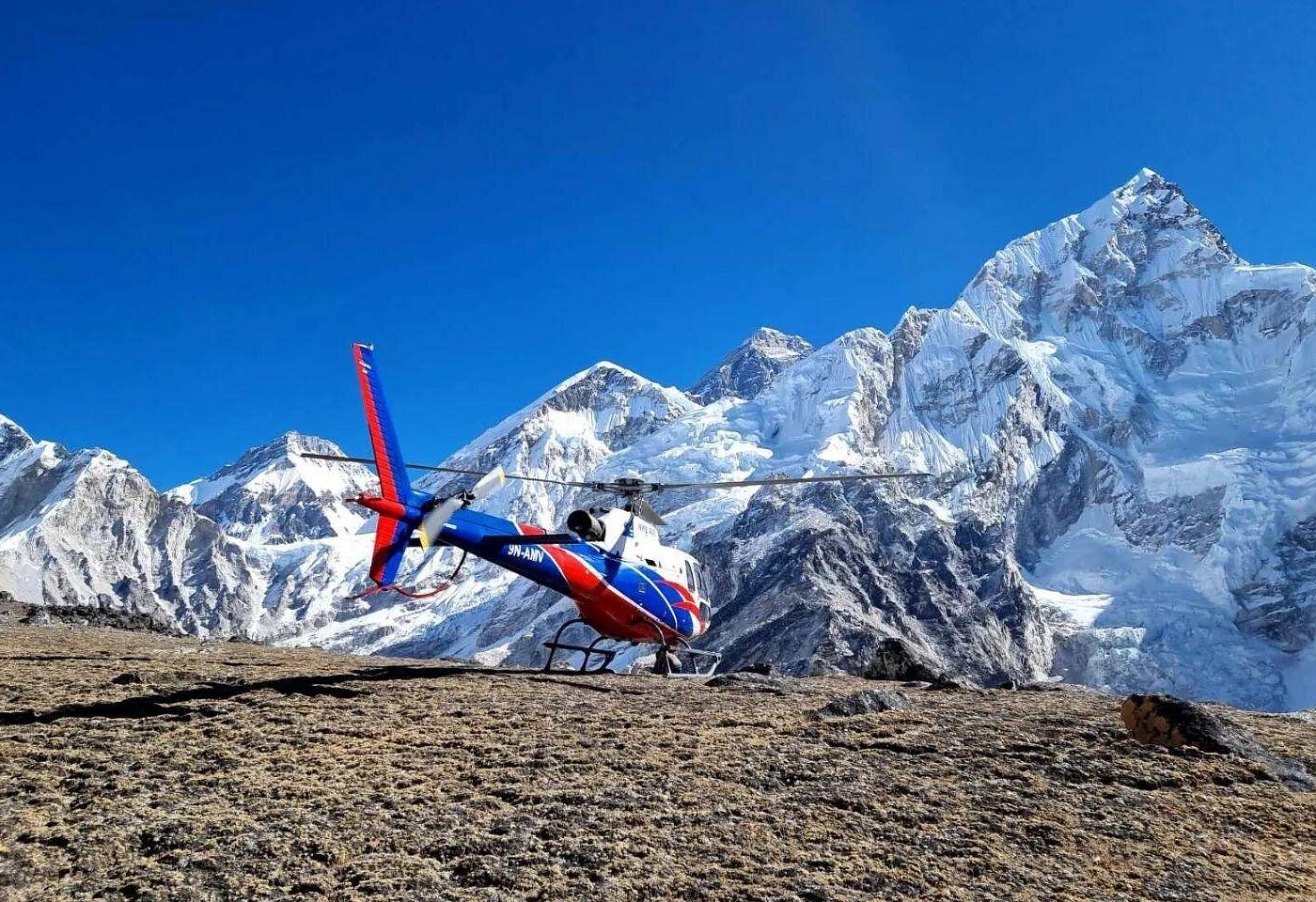
Helicopter tours are far cheaper, with group sharing tours (commonly shared among five people) ranging from $950 to $1,400 per person. Some of these packages land at Kala Patthar and may even include breakfast at the Everest View Hotel. Private charters may cost around $4,000 to $5,500+, but that depends on group size and destinations. There are also luxury packages that include personalized services, extended flyovers, and special meals that can cost $6,000 to $7,000+.
However, despite all mentioned above, helicopter tours to the Everest region are becoming increasingly restricted. As of late 2024/25, Nepalese authorities are considering bans on tourist and cargo helicopter flights above ~13,000 feet (~4,000 meters), which may even limit access to rescue-only operations. These limitations are primarily due to conservation efforts.
Climbing Everest is a monumental trek, but also a very perilous one. Still, despite over 12,000 successful summit attempts — many of them by repeat climbers — around 340 people have lost their lives while attempting to climb the mountain. While that may be a small proportion, that does not overshadow the hazards that come with attempting such a climb. Those considering a climb of Mount Everest should carefully evaluate the available expedition packages and choose the one that best aligns with their budget and experience level.
Delta Aircraft Isolated at Ben Gurion Airport Following Bomb Threat » Federal Grand Jury Indicts Passenger Duct-Taped to Seat on American Airlines Flight » Saab Weighs Canadian GlobalEye Production Line to Match Growing Surveillance Aircraft Orders »

Comments (0)
Add Your Comment
TAGS
STORIES Mount Everest Travel Summit Nepal Climbing Helicopter TourRECENTLY PUBLISHED
 FAA Nears Final Approval of Boeing 737 MAX 10 as Certification Review Concludes
The FAA has completed its final review of the Boeing 737 MAX 10, with certification expected as soon as next week after years of delays.
NEWS
READ MORE »
FAA Nears Final Approval of Boeing 737 MAX 10 as Certification Review Concludes
The FAA has completed its final review of the Boeing 737 MAX 10, with certification expected as soon as next week after years of delays.
NEWS
READ MORE »
 United and Air Canada Push to Expand Joint Venture Amid Cross-Border Travel Strains
United Airlines and Air Canada plan to add routes to their joint venture as political tensions dampen travel demand between the two countries.
NEWS
READ MORE »
United and Air Canada Push to Expand Joint Venture Amid Cross-Border Travel Strains
United Airlines and Air Canada plan to add routes to their joint venture as political tensions dampen travel demand between the two countries.
NEWS
READ MORE »
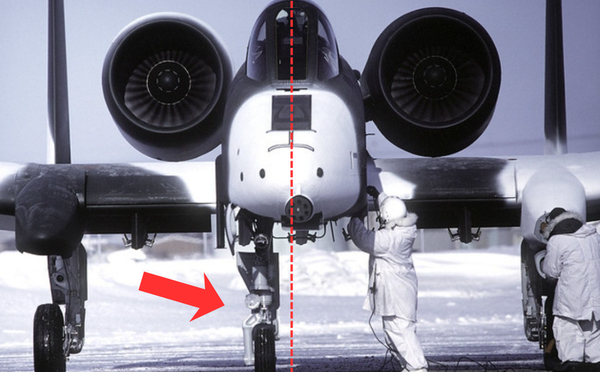 Why the A-10 Warthog's Nose Gear Is Offset to the Right
Why the A-10 Warthog’s nose wheel sits off-center, and how its massive GAU-8 Avenger cannon dictated the aircraft’s design.
INFORMATIONAL
READ MORE »
Why the A-10 Warthog's Nose Gear Is Offset to the Right
Why the A-10 Warthog’s nose wheel sits off-center, and how its massive GAU-8 Avenger cannon dictated the aircraft’s design.
INFORMATIONAL
READ MORE »
More than just headlines.
Get unlimited ad-free access to in-depth aviation news, premium stories, and exclusive insights other sites don't cover.
- Ad-free browsing on AeroXplorer
- Unlimited access to premium and exclusive articles
- Higher photo upload limits & commissions on sales
- Free access to Jetstream Magazine on higher tiers
- Ad-free browsing
- Sell aviation photos with 60% commission
- First week free!
- Everything in Basic+
- Unlimited premium articles
- Sell aviation photos with 70% commission
- Free Digital subscription to Jetstream Magazine
- First week free!
- Everything in Basic+ and Pro
- Sell aviaiton photos with 80% commission
- Early access to exclusive stories
- Free Digital+Print subscription to Jetstream Magazine