


Mexicana de Aviación has signed an agreement with Embraer to deploy the AHEAD predictive maintenance platform across its fleet of E2 aircraft, a move intended to reduce unexpected technical interruptions and keep more jets available for scheduled service.
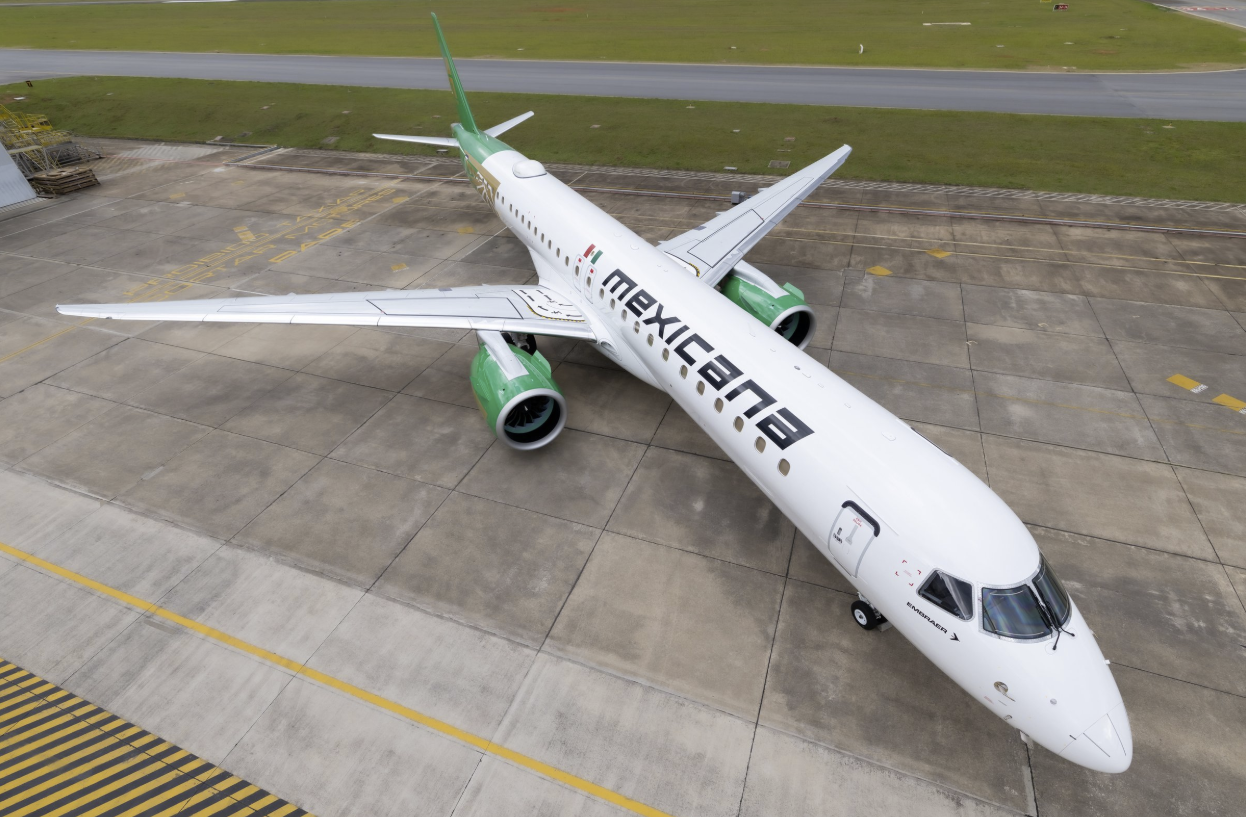
The Mexican state-owned airline announced the deal as its E2 fleet reached 10 aircraft, a milestone that positions the carrier as one of the largest operators of the type in Latin America. For travelers, the practical result should be fewer last-minute mechanical delays and a more consistent schedule on routes served by the new jets.
What AHEAD does
AHEAD, which stands for Aircraft Health Analysis and Diagnosis, is Embraer's predictive maintenance solution. The system collects operational data from the aircraft and uses analytics to anticipate component issues before they trigger a failure. By flagging potential problems early, maintenance teams can schedule repairs during planned ground time rather than reacting to faults that ground a jet unexpectedly.
Embraer designed the platform specifically for the E-Jets family, and it has become a standard tool for operators looking to improve dispatch reliability. The manufacturer promotes AHEAD as a way to cut operational interruptions, reduce maintenance costs, and improve the overall availability of the fleet.
For Mexicana, the adoption fits a broader push to professionalize its operation as it rebuilds a commercial presence in Mexico. The carrier relaunched operations in December 2023 under the control of the Mexican government, operating initially with leased Boeing 737s before transitioning to a fleet centered on Embraer regional jets.
![]() A growing E2 operator
Mexicana took delivery of its first E2 earlier this year as part of a contract signed with Embraer for 20 E195-E2 aircraft, with options for 15 additional units. The order, finalized in 2024, represented one of the most significant commercial aviation deals in Mexico in recent years and gave Embraer a major foothold in the country's domestic market.
The aircraft are configured for single-class service and operate on routes connecting Felipe Ãngeles International Airport (AIFA), north of Mexico City, with destinations across Mexico. The airline has been gradually expanding its network as more jets arrive from Embraer's production line in São José dos Campos, Brazil.
Reaching 10 aircraft gives Mexicana enough scale to justify investment in digital maintenance tools. Predictive platforms like AHEAD deliver more value as fleet size grows, since the system can draw on larger volumes of operational data to refine its forecasts.

Seconds to Survive: The Human Factors Lessons of the 1985 Manchester Airport Disaster
Why it matters for passengers
If you fly Mexicana, the deployment of AHEAD should translate into tangible service improvements over time. Predictive maintenance systems typically reduce the frequency of aircraft-on-ground events, which are the technical delays that force airlines to swap aircraft, cancel flights, or hold passengers at the gate while mechanics troubleshoot a fault.
By catching wear patterns and component degradation before they become failures, the airline can address issues during overnight checks or scheduled maintenance windows. That means the jet assigned to your morning flight is more likely to be ready at the gate when you arrive.
Dispatch reliability is one of the metrics airlines watch most closely. Even a small improvement, measured in fractions of a percentage point, can mean thousands of avoided delays across a year of operations. For a carrier still establishing its reputation with Mexican travelers, that reliability matters.
Embraer's broader strategy
The agreement with Mexicana is part of Embraer Services and Support's wider effort to tie its aftermarket offerings closely to new aircraft deliveries. The Brazilian manufacturer has invested heavily in digital services, viewing them as a way to build long-term relationships with operators and generate recurring revenue beyond the initial aircraft sale.
AHEAD is now in use with multiple E-Jets operators worldwide, and Embraer continues to refine the platform as more data accumulates. The system integrates with the airline's existing maintenance planning software, allowing engineers to incorporate predictive alerts into their regular workflows.
For the E2 family specifically, which entered commercial service in 2018 with the E190-E2, the aircraft was designed from the outset with extensive data collection capabilities. That architecture makes the jets well suited to predictive maintenance applications, since the sensors and onboard systems
generate the continuous streams of information that the analytics engine needs.

Mexicana's recovery path
The predictive maintenance deal comes as Mexicana works to expand its route network and increase utilization of its fleet. The airline carries the name of Mexico's historic flag carrier, which ceased operations in 2010, and the current iteration operates under the Secretara de la Defensa Nacional (Sedena).
Operational performance has been mixed since the relaunch, with the carrier facing challenges typical of a new airline including route profitability, aircraft availability, and competition from established Mexican operators. Building a reliable maintenance operation around a modern fleet is one of the steps the airline is taking to stabilize its position.
The E195-E2 offers around 132 seats in a single-class configuration and is marketed by Embraer as the most efficient single-aisle jet in its category, with lower fuel burn and emissions than previous-generation regional aircraft. Those economics give Mexicana a cost structure suited to the medium-density domestic routes it serves.
As more E2s arrive and the AHEAD system accumulates operational data from Mexicana's flights, the airline expects maintenance planning to become progressively more precise. For passengers, that should mean a steadier, more predictable travel experience on the carrier's growing network.
Hollywood Burbank Airport Operated Briefly Without Tower Controllers, Reports Say » Allegiant and Sun Country Expand Route Networks With New Nonstop Services » Trump Says China May Buy 250 More Boeing Jets, But Firm Orders Remain Unclear »

Comments (0)
Add Your Comment
TAGS
NEWS Mexicana Embraer AHEAD Predictive Maintenance Embraer E2 Aircraft Maintenance Fleet Management Mexican Aviation Aviation Technology Regional JetsRECENTLY PUBLISHED
 EASA Expands Urgent A380 Wing Spar Crack Inspections to Eight Additional Aircraft
EASA has broadened its emergency airworthiness directive for Airbus A380 wing spar crack inspections, now covering additional aircraft across global fleets.
INFORMATIONAL
READ MORE »
 Jet Lag Recovery: How to Reset Faster After Long-Distance Flights
Recover faster after long-haul travel with practical guidance on light, sleep timing, short naps, hydration, caffeine, and meal timing.
INFORMATIONAL
READ MORE »
 FAA Projects Busiest Thanksgiving Air Travel in 16 Years as More Than 417,000 Flights Take to the Skies
The FAA forecasts more than 417,000 flights during Thanksgiving week, marking the busiest holiday travel period in 16 years.
NEWS
READ MORE »
More than just headlines.
Get unlimited ad-free access to in-depth aviation news, premium stories, and exclusive insights other sites don't cover.
- Ad-free browsing on AeroXplorer
- Unlimited access to premium and exclusive articles
- Higher photo upload limits & commissions on sales
- Free access to Jetstream Magazine on higher tiers
- Ad-free browsing
- Sell aviation photos with 60% commission
- First week free!
- Everything in Basic+
- Unlimited premium articles
- Sell aviation photos with 70% commission
- Free Digital subscription to Jetstream Magazine
- First week free!
- Everything in Basic+ and Pro
- Sell aviaiton photos with 80% commission
- Early access to exclusive stories
- Free Digital+Print subscription to Jetstream Magazine