
Five of the largest carriers in the United States are once again defending themselves against accusations that they quietly coordinated airfare prices, this time through a shared data clearinghouse that plaintiffs say allowed the companies to lift ticket costs for millions of travelers.
A proposed class action filed in federal court accuses American Airlines, Delta Air Lines, United Airlines, Southwest Airlines and Alaska Airlines of funneling detailed pricing information through the Airline Tariff Publishing Company, known as ATPCO, in a way that let competitors monitor and match one another's fares. The lawsuit claims the arrangement functioned as a coordination tool rather than a neutral distribution service.
According to the complaint, the carriers used ATPCO to exchange granular data about fares, fare changes and inventory. Plaintiffs allege the exchange gave airlines a real-time view into rivals' pricing strategies, enabling them to raise prices in tandem and avoid the kind of discounting that competition would normally produce.
The suit frames the conduct as a violation of federal antitrust law. Plaintiffs are seeking damages on behalf of passengers who purchased tickets from the five carriers during the period covered by the alleged scheme.
A Familiar Accusation
The claims echo antitrust scrutiny that has followed the airline industry for decades. In the early 1990s, the Department of Justice brought a case against ATPCO and several major carriers, alleging that the clearinghouse's fare dissemination practices allowed airlines to signal pricing intentions to one another. That case resulted in a consent decree that placed restrictions on how pricing information could be shared.
Plaintiffs in the current lawsuit argue that the industry has drifted back toward the kind of coordinated behavior those earlier restrictions were designed to prevent. They contend that even if the data exchange appears neutral on its surface, the practical effect is to dampen competition and keep fares artificially high.
The complaint points to industry consolidation as a factor that has made coordination easier. After a wave of mergers over the past 15 years, a small number of carriers now control the vast majority of domestic air travel in the United States, giving each a strong incentive to monitor and respond to the pricing moves of a handful of rivals.
What the Plaintiffs Allege
The lawsuit describes ATPCO as a hub that collects and distributes fare data submitted by its airline owners. Plaintiffs allege that the frequency and detail of the data shared through the system allow carriers to identify when a competitor has cut a fare, respond quickly, and effectively discourage discounting.
The complaint also alleges that the airlines benefit from the arrangement at the expense of consumers who have little visibility into how prices are set. Travelers, the suit argues, are left paying higher fares than they would in a market where carriers set prices independently.
The five defendants named in the case together account for a dominant share of domestic air travel. Plaintiffs are seeking class certification covering a broad group of ticket purchasers, along with monetary damages and injunctive relief that would change how pricing data is shared going forward.
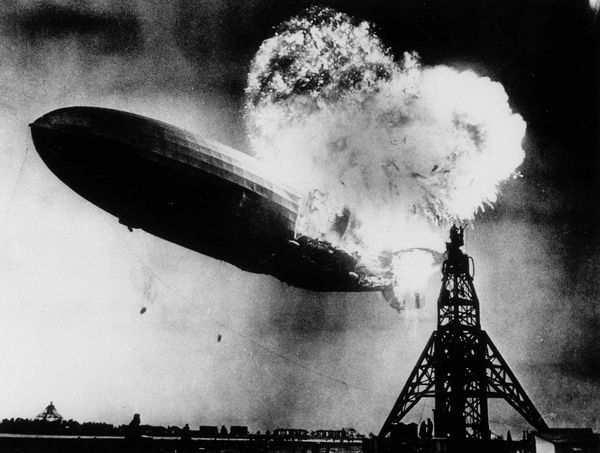
Hindenburg: The Disaster That Ended the Airship Age
The Role of ATPCO
ATPCO has long served as a central piece of the airline pricing infrastructure. The company, owned by a group of airlines, collects fare filings and distributes them to global distribution systems, travel agencies and booking platforms. Supporters of the system argue that it provides efficiency and transparency, allowing consumers and travel sellers to access up-to-date fare information.
Critics, including the plaintiffs in this case, counter that the same features that make ATPCO useful for distribution also make it a potential vehicle for coordination among competitors. The lawsuit alleges that the airlines have taken advantage of that duality to monitor rivals and align their pricing behavior.
The current action revives questions that regulators raised more than three decades ago about whether the structure of the airline pricing system is fundamentally compatible with competition law.
Industry Context
The lawsuit arrives at a moment of heightened attention to competition issues in the airline industry. Federal regulators have taken a more aggressive posture toward airline mergers and alliances in recent years, blocking some deals and scrutinizing others on antitrust grounds. Consumer advocates have pointed to rising fares, additional fees and shrinking service to smaller markets as evidence that competition has weakened.
Airlines have generally defended their pricing practices as responses to fuel costs, labor expenses and demand fluctuations rather than coordination. They have argued that the appearance of similar fares across carriers reflects the realities of a commoditized product rather than any agreement among competitors.
The carriers named in the lawsuit have not yet filed formal responses to the complaint. They are expected to challenge both the legal theory of the case and the factual claims about how ATPCO data is used.
What Comes Next
The case is in its early stages. A federal judge will need to decide whether to certify the class and allow the lawsuit to proceed on behalf of a broad group of passengers. Discovery, if it moves forward, could force the airlines to disclose internal documents about how they use ATPCO data and how pricing decisions are made.
For travelers, the outcome could have practical consequences. A successful lawsuit could lead to damages payments and new limits on how airlines share pricing information, potentially reshaping how fares are set across the industry.
Avolon Commits to 140 Boeing 737 MAX 10s in Landmark Lessor Order » Nine Killed as Learjet 60 Crashes in Palm Beach County, Florida » Exclusive: Inside Lufthansa Technik's Touchscreen Tray Table »

Comments (0)
Add Your Comment
TAGS
NEWS Airline Lawsuit Fare Data Sharing Antitrust Price Fixing Airline Competition Consumer Protection Class Action Airline Pricing Legal News Aviation NewsRECENTLY PUBLISHED
 European Airlines Face Fresh Wave of Bomb Hoax Calls as Carriers Weigh Response
A new surge of hoax bomb threats is targeting European flights, with a Russian group claiming responsibility for some of the disruptive calls.
NEWS
READ MORE »
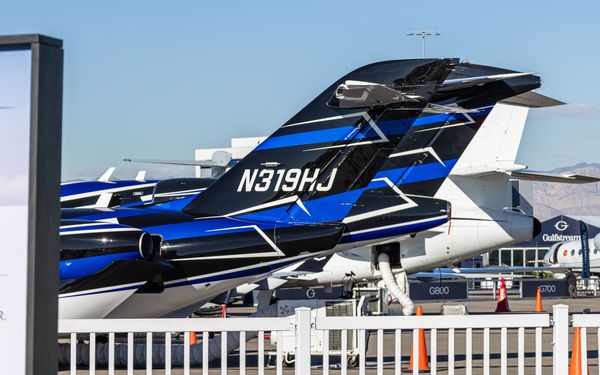 Exclusive: Thrive Aviation CEO Details New HondaJet Fractional Program Launching in 2027
In an interview with AeroXplorer, Thrive Aviation CEO Curtis Edenfield explains why Thrive chose a HondaJet and a Challenger, how its existing fleet will support the launch, and what must happen behind the scenes before fractional operations can ramp up.
STORIES
READ MORE »
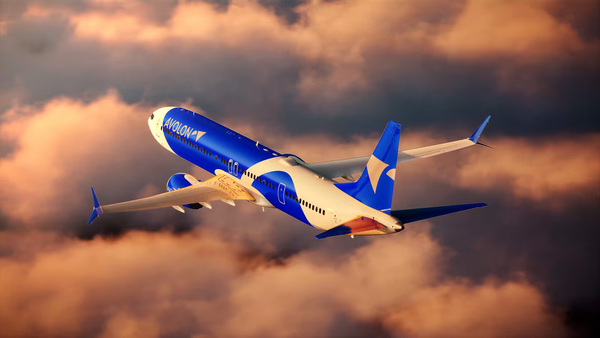 Avolon Commits to 140 Boeing 737 MAX 10s in Landmark Lessor Order
Avolon has finalized a commitment for 140 Boeing 737 MAX 10 aircraft, marking the largest MAX order ever placed by a leasing company.
NEWS
READ MORE »
More than just headlines.
Get unlimited ad-free access to in-depth aviation news, premium stories, and exclusive insights other sites don't cover.
- Ad-free browsing on AeroXplorer
- Unlimited access to premium and exclusive articles
- Higher photo upload limits & commissions on sales
- Free access to Jetstream Magazine on higher tiers
- Ad-free browsing
- Sell aviation photos with 60% commission
- First week free!
- Everything in Basic+
- Unlimited premium articles
- Sell aviation photos with 70% commission
- Free Digital subscription to Jetstream Magazine
- First week free!
- Everything in Basic+ and Pro
- Sell aviaiton photos with 80% commission
- Early access to exclusive stories
- Free Digital+Print subscription to Jetstream Magazine