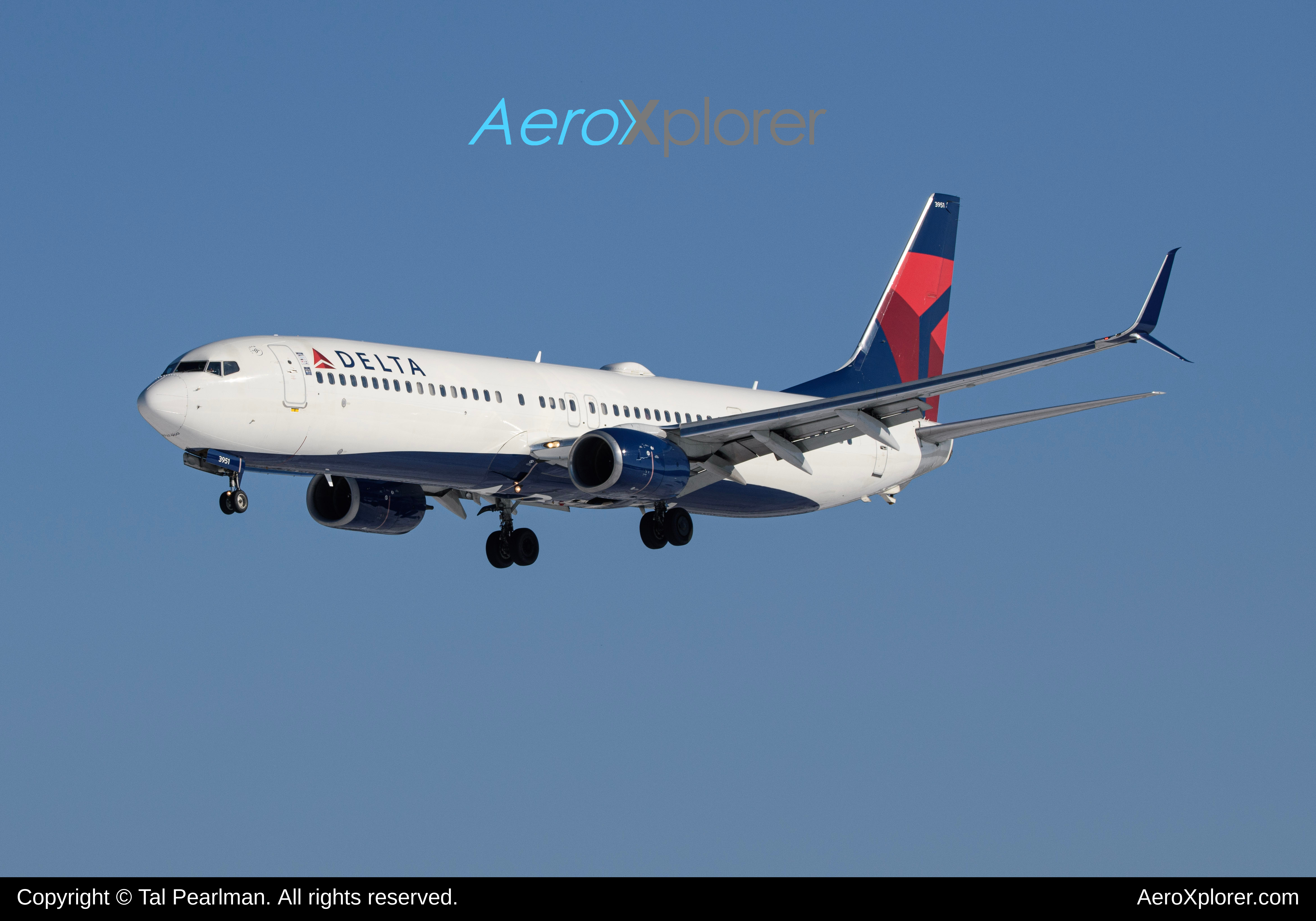

Delta Air Lines Chief Executive Ed Bastian is defending his company's decision to partner with Amazon's LEO rather than Elon Musk's Starlink for the airline's next generation of in-flight Wi-Fi, citing cost as the deciding factor.
Speaking publicly about the partnership announced earlier this month, Bastian made clear that price drove the choice. Delta plans to begin rolling out the Amazon-powered service in 2028, replacing or supplementing its current connectivity providers as the airline expands free Wi-Fi access across its fleet.

Why Delta Picked Amazon
Bastian addressed the decision directly when asked why the carrier chose Amazon's satellite network over Starlink. Starlink already powers in-flight internet for competitors including United Airlines, Hawaiian Airlines, and Qatar Airways. JetBlue is the only other major carrier to have sided with Amazon LEO, having signed up for the service in 2025 as Amazon's launch airline partner for in-flight connectivity.
Bastian added that Amazon offered Delta a more attractive financial package, a meaningful consideration given that Delta provides Wi-Fi free of charge to SkyMiles members.
The economics matter. Free in-flight internet is no longer a perk reserved for premium cabins. Delta announced free Wi-Fi for SkyMiles members in 2023, and the airline has since worked to extend that benefit across more of its aircraft. Every dollar saved on bandwidth flows directly to the bottom line.
Amazon LEO Versus Starlink
Amazon's Project Kuiper is a low Earth orbit (LEO) satellite constellation designed to compete directly with SpaceX's Starlink. Amazon plans to deploy more than 3,200 satellites as part of the network, though the system is still in earlier stages of deployment compared to Starlink, which already operates thousands of satellites in orbit.
That gap raises a practical question. Starlink offers a proven product today. Amazon's LEO is still building out its infrastructure. Bastian acknowledged the timing but indicated Delta is comfortable waiting for the network to mature before launching service in 2028.
The airline is not abandoning its current providers in the meantime. Delta works with Viasat and Hughes for its existing in-flight connectivity, and those relationships will continue as the airline transitions.

A Business Calculation, Not a Political One
Some observers speculated that Delta's choice reflected concerns about Musk's polarizing public profile. Bastian rejected that interpretation. The decision came down to the contract terms Amazon offered, not the personalities involved.
That framing matters for an airline that serves a broad customer base and tries to avoid political entanglements. By emphasizing cost rather than controversy, Bastian kept the conversation focused on operational economics.
The partnership also reflects the deeper relationship between Delta and Amazon. The two companies have collaborated on other initiatives, and Delta uses Amazon Web Services for portions of its technology infrastructure. Extending that relationship into satellite connectivity fits a broader pattern.
What Passengers Can Expect
For travelers, the practical impact remains years away. Delta's current Wi-Fi service, powered by Viasat on most mainline aircraft, will continue serving passengers in the meantime. The Amazon LEO-powered upgrade is expected to deliver faster speeds and more reliable connections, particularly on long-haul international flights where existing systems often struggle.
Delta has positioned free Wi-Fi as a core part of its customer experience strategy. The airline believes connectivity is now a baseline expectation rather than a premium feature, and it has invested accordingly. Choosing the lower-cost provider allows the company to sustain that free model without absorbing unsustainable expenses.
The Cockpit’s Next Revolution: When the Co-Pilot Is a Computer
The Competitive Landscape
United Airlines took the opposite approach, signing with Starlink last year and beginning installations on its regional fleet. United executives have praised the speed and quality of the Starlink service, suggesting passengers will notice the difference immediately.
The split between major U.S. carriers sets up a real-world comparison. United bets on the established Starlink network, while Delta wagers on Amazon's emerging alternative at a better price. Passengers, ultimately, will judge which approach delivers the better experience.
For now, Bastian is comfortable with his choice. The math worked, the partnership made sense, and Delta secured terms that support its free Wi-Fi commitment. Whether Amazon LEO delivers on its promise by 2028 is the question that remains open.
US Airlines Cut Flights as Jet Fuel Prices Climb Higher » Why Do Some Flights Take Longer Than Others on the Same Route? » Amazon Suspends Cargo Carrier 21 Air After Deadly Miami Runway Crash »

Comments (0)
Add Your Comment
TAGS
NEWS Delta Amazon Amazon LEO Starlink In-Flight Wi-FiRECENTLY PUBLISHED
 One-Millisecond Software Defect Identified as Cause of UK Air Traffic Control Collapse That Grounded Thousands of Flights
A new NATS report reveals a one-millisecond software defect triggered the UK air traffic control failure, causing thousands of cancellations.
NEWS
READ MORE »
One-Millisecond Software Defect Identified as Cause of UK Air Traffic Control Collapse That Grounded Thousands of Flights
A new NATS report reveals a one-millisecond software defect triggered the UK air traffic control failure, causing thousands of cancellations.
NEWS
READ MORE »
 AirAsia Pushes Back on Collapse Rumors as Fuel Costs Squeeze Budget Airline
AirAsia CEO Tony Fernandes denies the airline faces collapse, saying travel demand stays strong despite rising jet fuel prices pressuring margins.
NEWS
READ MORE »
AirAsia Pushes Back on Collapse Rumors as Fuel Costs Squeeze Budget Airline
AirAsia CEO Tony Fernandes denies the airline faces collapse, saying travel demand stays strong despite rising jet fuel prices pressuring margins.
NEWS
READ MORE »
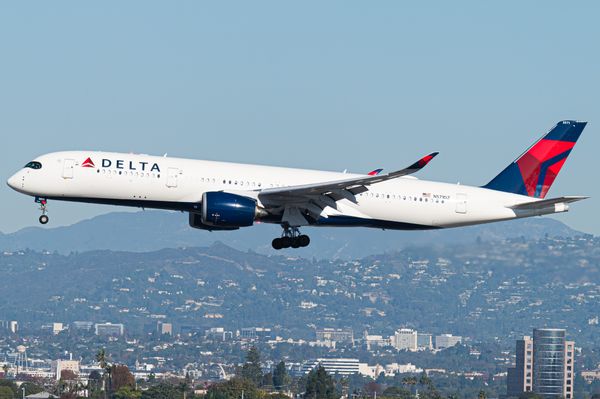 Delta Air Lines Moves to Claim Top Spot at LAX With New Routes and Expanded Schedule
Delta Air Lines plans its largest-ever schedule at Los Angeles International Airport, adding routes and premium seating to overtake rivals.
NEWS
READ MORE »
Delta Air Lines Moves to Claim Top Spot at LAX With New Routes and Expanded Schedule
Delta Air Lines plans its largest-ever schedule at Los Angeles International Airport, adding routes and premium seating to overtake rivals.
NEWS
READ MORE »
More than just headlines.
Get unlimited ad-free access to in-depth aviation news, premium stories, and exclusive insights other sites don't cover.
- Ad-free browsing on AeroXplorer
- Unlimited access to premium and exclusive articles
- Higher photo upload limits & commissions on sales
- Free access to Jetstream Magazine on higher tiers
- Ad-free browsing
- Sell aviation photos with 60% commission
- First week free!
- Everything in Basic+
- Unlimited premium articles
- Sell aviation photos with 70% commission
- Free Digital subscription to Jetstream Magazine
- First week free!
- Everything in Basic+ and Pro
- Sell aviaiton photos with 80% commission
- Early access to exclusive stories
- Free Digital+Print subscription to Jetstream Magazine