
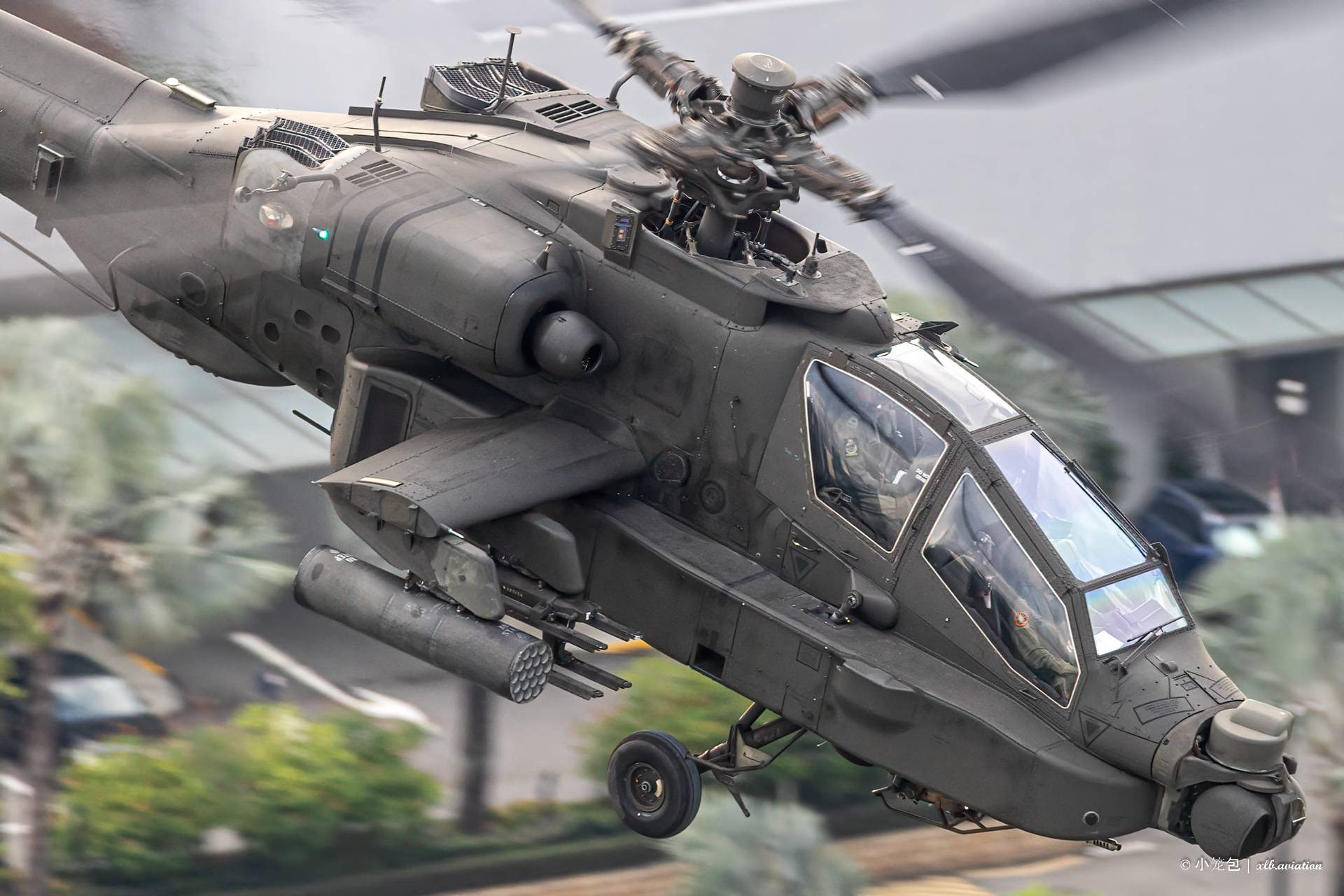

The US Army has resumed Apache helicopter training operations following a fatal crash in Texas that killed two soldiers during a routine exercise. The incident has prompted questions about aviation safety across Army installations, though officials say training must continue.
The AH-64 Apache went down during a training flight, resulting in the deaths of both crew members aboard. The Army identified the pilots and confirmed the aircraft was operating as part of a standard training mission when the crash occurred. Investigators have started their work to determine what caused the helicopter to go down.

What Happened During the Training Flight
The crash took place while the Apache was conducting exercises at a military installation in Texas. Emergency responders arrived at the scene, but both pilots were pronounced dead. The Army has not released full details about the moments leading up to the crash while the investigation continues.
Apache helicopters serve as the Army's primary attack aircraft. Crews train regularly to maintain combat readiness, and these exercises often involve complex maneuvers in varied terrain and weather conditions. The AH-64 has been a mainstay of Army aviation since the 1980s and has undergone multiple upgrades over the decades.
Training Operations Back in the Air
After a temporary pause following the crash, the Army has cleared Apache units to return to flight training. Commanders determined that stopping operations for an extended period would affect readiness across the force. Safety reviews accompanied the decision to resume flights, with units instructed to reinforce standard procedures and pre-flight checks.
The Army's approach reflects a balance between honoring lost service members and maintaining the operational tempo required of combat aviation units. Pilots need consistent flight hours to keep their qualifications current, and extended groundings can create backlogs that take months to clear.

Analysis: How Spirit Airlines Changed Airline Pricing, then Paid the Price
A Pattern of Recent Aviation Incidents
The Texas crash follows other Army helicopter accidents that have raised concerns about aviation safety. Incidents involving aircraft based in Alabama and Kentucky have added to the scrutiny facing Army aviation programs. Each event has triggered its own investigation, and officials have looked at whether common factors might connect them.
Military aviation carries inherent risks, particularly during training that simulates combat conditions. Helicopters fly at low altitudes, operate in formations, and conduct maneuvers that push the limits of both machine and crew. Even with strict safety protocols, accidents happen.
Army leaders have publicly acknowledged the need to examine training practices, equipment maintenance, and crew readiness. Reviews of recent incidents may lead to procedural changes, though officials have stopped short of announcing specific reforms tied to the Texas crash.

The Apache in Army Service
The AH-64 Apache carries a two-person crew consisting of a pilot and a copilot gunner. The aircraft is armed with a 30mm chain gun, Hellfire missiles, and rocket pods, giving it substantial firepower for ground attack missions. Its systems allow crews to fight in darkness and poor weather.
Boeing manufactures the Apache, and the Army operates hundreds of the helicopters across active duty and National Guard units. The latest version, the AH-64E Apache Guardian, features improved sensors, engines, and communications equipment compared to earlier models.
Training pipelines for Apache pilots run through Fort Novosel in Alabama, formerly known as Fort Rucker, where student aviators learn the fundamentals before advancing to their operational units. Once assigned to a combat aviation brigade, pilots continue training throughout their careers.

Only Way Out: Private Aviation in a Region at War
Investigation Moving Forward
Army investigators typically examine several factors after a crash. These include mechanical performance of the aircraft, weather conditions at the time of the incident, actions taken by the crew, and any communications from the helicopter before it went down. Flight data recorders, when recoverable, provide critical information about what the aircraft was doing in its final moments.
The formal investigation process can take months to complete. Preliminary findings sometimes emerge earlier, but the Army generally waits for a full report before releasing conclusions about causes. Families of the deceased receive briefings during the process.
Whatever investigators find could shape how Apache units train going forward. If mechanical issues are identified, similar aircraft across the fleet may face inspections. If procedural or human factors played a role, training standards could be adjusted.
What Comes Next
Memorial services for the pilots will proceed as their units process the loss. Combat aviation communities are tight-knit, and fatalities affect not just families but entire brigades. Chaplains and counselors typically work with affected units in the aftermath of crashes.
For the Army as a whole, the incident adds urgency to ongoing conversations about aviation safety. Balancing readiness requirements against risk reduction remains a persistent challenge. Training must continue, but each crash reinforces the human cost of maintaining a ready force.
The Army has said it will release additional information as the investigation progresses.
Lufthansa City Airlines' First Airbus A220-300 Begins Assembly in Canada » Eurowings To Introduce Real Recliner First Class Seats on Flights to London, Mallorca, and Malaga » French Rafale Jet Spots Fuel Leak on Miami-Bound Global 6000 Over France »

Comments (0)
Add Your Comment
TAGS
NEWS US Army AH-64 Apache Training Flight HelicopterRECENTLY PUBLISHED
 Turkish Airlines Eyes London City Airport Route and Direct Flights to Australia in Major Expansion
Turkish Airlines plans to launch London City Airport service and direct flights to Australia as part of an ambitious global expansion strategy.
NEWS
READ MORE »
Turkish Airlines Eyes London City Airport Route and Direct Flights to Australia in Major Expansion
Turkish Airlines plans to launch London City Airport service and direct flights to Australia as part of an ambitious global expansion strategy.
NEWS
READ MORE »
 ICE Agents Ask Airport Gate Workers to Help Identify and Detain Passengers
Immigration officers have started approaching airline employees at US airports for help arresting passengers, prompting pushback from some workers.
NEWS
READ MORE »
ICE Agents Ask Airport Gate Workers to Help Identify and Detain Passengers
Immigration officers have started approaching airline employees at US airports for help arresting passengers, prompting pushback from some workers.
NEWS
READ MORE »
 Eurowings To Introduce Real Recliner First Class Seats on Flights to London, Mallorca, and Malaga
Eurowings will roll out proper recliner first class seats on medium-haul flights to London, Mallorca, and Malaga.
NEWS
READ MORE »
Eurowings To Introduce Real Recliner First Class Seats on Flights to London, Mallorca, and Malaga
Eurowings will roll out proper recliner first class seats on medium-haul flights to London, Mallorca, and Malaga.
NEWS
READ MORE »
More than just headlines.
Get unlimited ad-free access to in-depth aviation news, premium stories, and exclusive insights other sites don't cover.
- Ad-free browsing on AeroXplorer
- Unlimited access to premium and exclusive articles
- Higher photo upload limits & commissions on sales
- Free access to Jetstream Magazine on higher tiers
- Ad-free browsing
- Sell aviation photos with 60% commission
- First week free!
- Everything in Basic+
- Unlimited premium articles
- Sell aviation photos with 70% commission
- Free Digital subscription to Jetstream Magazine
- First week free!
- Everything in Basic+ and Pro
- Sell aviaiton photos with 80% commission
- Early access to exclusive stories
- Free Digital+Print subscription to Jetstream Magazine