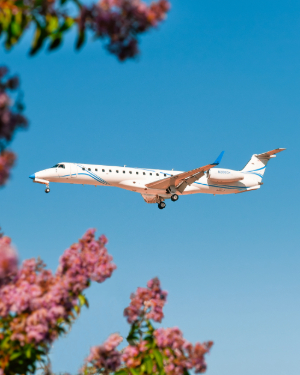
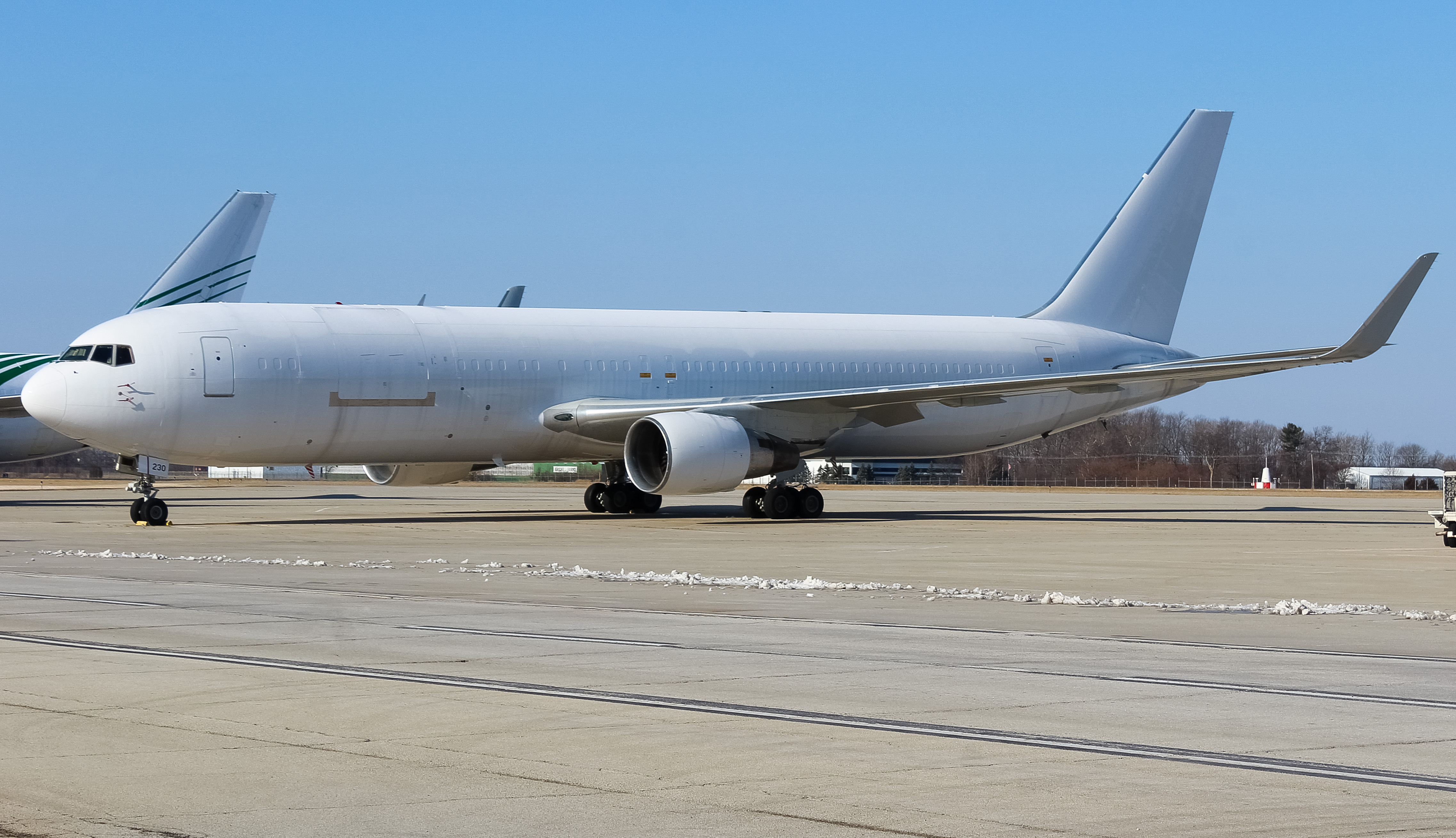

Welcome to the world of aerospace engineering, where creativity and technology merge to take flight. Aerospace engineers design, build, and operate vehicles that soar through the skies and explore space. From commercial airplanes to spacecraft, these innovators push the boundaries of speed, efficiency, and safety.
Aerospace engineering combines physics, math, and problem-solving to transform transportation, communication, and exploration. In this article, we'll explore what aerospace engineering entails, its applications, and the exciting opportunities it offers.
What is Aerospace Engineering?
Aerospace engineering is a field of study that focuses on the design, development, testing, and operation of vehicles that fly through the atmosphere or explore space. It encompasses two main branches:
1. Aeronautical Engineering: Deals with aircraft, helicopters, and other airborne vehicles.
2. Astronautical Engineering: Focuses on spacecraft, satellites, and space exploration.
Key Disciplines in Aerospace Engineering
Aerospace engineering draws from various disciplines to create innovative solutions:
1. Aerodynamics: Studies the interaction between air and solid objects.
2. Propulsion Systems: Develops engines, fuels, and control systems.
3. Structural Analysis: Ensures vehicle durability and stability.
4. Guidance, Navigation, and Control (GNC): Develops systems for navigation and control.
5. Materials Science: Researches lightweight, high-strength materials.

Applications of Aerospace Engineering
Aerospace engineering has numerous practical applications:
1. Commercial Aviation: Designing efficient, safe, and comfortable aircraft.
2. Space Exploration: Building spacecraft, satellites, and space stations.
3. Military Aviation: Developing fighter jets, drones, and surveillance systems.
4. Communication Systems: Designing satellite networks and communication equipment.
5. Environmental Monitoring: Creating systems for weather forecasting and climate monitoring.
Exciting Opportunities in Aerospace Engineering
The field is rapidly evolving, with many exciting developments:
1. Space Tourism: Developing vehicles for commercial space travel.
2. Sustainable Aviation Fuels: Researching eco-friendly alternatives.
3. Electric Propulsion: Exploring electric and hybrid-electric propulsion systems.
4. Artificial Intelligence (AI) Integration: Enhancing vehicle autonomy and decision-making.
5. Interplanetary Exploration: Designing missions to Mars, the Moon, and beyond.
Career Paths in Aerospace Engineering
Aerospace engineering offers diverse career paths:
Design Engineer
Test Engineer
Systems Engineer
Research Scientist
Aerospace Consultant

Education and Skills Required
To succeed in aerospace engineering, you'll need:
Bachelor's or Master's degree in Aerospace Engineering or a related field.
Strong foundation in physics, mathematics, and computer programming.
Problem-solving, teamwork, and communication skills.
Conclusion
Aerospace engineering is a dynamic field that combines creativity, technology, and innovation to transform transportation, communication, and exploration. With its diverse applications and exciting opportunities, aerospace engineering offers a rewarding career path for those passionate about pushing the boundaries of flight and space exploration.
American Airlines Grapples With Faulty Business Class Seats on New Airbus A321XLR Fleet » Why Don’t Airplane Wings Break During Turbulence? » Can AI Fix the Most Tedious Part of Private Jet Charter? »

Comments (0)
Add Your Comment
TAGS
INFORMATIONAL aerospace engineering airplanes safety Aeronautical Engineering aircraft helicopters Astronautical Engineering satellitesRECENTLY PUBLISHED
 British Airways Returns to Tanzania After 15 Years With Direct Flights to Kilimanjaro and Zanzibar
British Airways will launch direct flights from London Gatwick to Kilimanjaro and Zanzibar in summer 2027, marking its return to Tanzania after 15 years.
NEWS
READ MORE »
British Airways Returns to Tanzania After 15 Years With Direct Flights to Kilimanjaro and Zanzibar
British Airways will launch direct flights from London Gatwick to Kilimanjaro and Zanzibar in summer 2027, marking its return to Tanzania after 15 years.
NEWS
READ MORE »
 The Engineering Behind the 777X's Folding Wingtips
The engineering behind the folding wingtips onboard the Boeing 777X
INFORMATIONAL
READ MORE »
The Engineering Behind the 777X's Folding Wingtips
The engineering behind the folding wingtips onboard the Boeing 777X
INFORMATIONAL
READ MORE »
 Frontier Airlines Introduces Cancel For Any Reason Option For Passengers Up To 24 Hours Before Departure
Frontier Airlines now lets passengers cancel any flight up to 24 hours before departure through a new Cancel For Any Reason product powered by Hopper.
NEWS
READ MORE »
Frontier Airlines Introduces Cancel For Any Reason Option For Passengers Up To 24 Hours Before Departure
Frontier Airlines now lets passengers cancel any flight up to 24 hours before departure through a new Cancel For Any Reason product powered by Hopper.
NEWS
READ MORE »
More than just headlines.
Get unlimited ad-free access to in-depth aviation news, premium stories, and exclusive insights other sites don't cover.
- Ad-free browsing on AeroXplorer
- Unlimited access to premium and exclusive articles
- Higher photo upload limits & commissions on sales
- Free access to Jetstream Magazine on higher tiers
- Ad-free browsing
- Sell aviation photos with 60% commission
- First week free!
- Everything in Basic+
- Unlimited premium articles
- Sell aviation photos with 70% commission
- Free Digital subscription to Jetstream Magazine
- First week free!
- Everything in Basic+ and Pro
- Sell aviaiton photos with 80% commission
- Early access to exclusive stories
- Free Digital+Print subscription to Jetstream Magazine