
The United States is one of the world's largest commercial aviation markets, home to some of the busiest airports in the world. Gateways like Hartsfield-Jackson Atlanta International Airport, Dallas/Fort Worth International Airport, and Denver International Airport have evolved into vital links connecting the global airline industry, coming to be known as common layover spots among the flying public.

When considering major hub airports in the United States, few might think of Memphis International Airport (MEM). This facility, which is only the second busiest in Tennessee based on passenger volumes, might not boast an impressive flight schedule from passenger airlines. However, across the airfield from Memphis’ passenger terminal, FedEx has turned the airport into a critical cargo superhub. In fact, between the hours of 10:00 PM and 5:00 AM, Memphis becomes the busiest airport in the world.
Memphis is a Cargo Powerhouse
Memphis is the most important hub for FedEx Express, the airline subsidiary of logistics firm FedEx. The airline operates a robust fleet of cargo aircraft to deliver goods across the world. Applying the hub and spoke model to its cargo aircraft operations, FedEx operates a vast majority of its flights to and from centralized "hub airports", allowing for rapid transfers that route cargo efficiently to their final destinations. Given the size of FedEx’s Memphis hub, offloading packages from their flights marks just the beginning of their unique journey.

Every night, Memphis Airport springs to life as FedEx Express flights arrive in two tightly choreographed waves: day sort and night sort. Upon arrival at the airline’s Memphis World Hub, aircraft taxi to one of almost 200 parking stands across the FedEx facility, where crews are waiting to offload shipping containers stored onboard. Within minutes, this cargo is emptied onto conveyor belts and routed through FedEx’s massive sorting facility. There are nine entrances to the sorting system at the company’s World Hub, with each inbound package passing through one as they are unloaded from the aircraft.
As parcels move through the highly automated sorting system, employees ensure that each label — which shows important details like its dimensions and final destination — is visible. Cargo passes through up to 12 scanners as it is routed by robotic arms to its next flight. There are over 80 miles of conveyor belts across the facility.
Although both the day sort and night sort play an important role in FedEx’s operations, the night sort is far busier in terms of cargo processed. Over 1.5 million packages are sorted overnight, surpassing the day sort by half a million packages. The operation begins around 10:30 p.m., when the first FedEx Express aircraft touch down. Arrivals continue until about 1:00 a.m., after which the hub shifts into departure mode. By 2:30 a.m., the first outbound flights are taxiing to the runway, with the final departures lifting off before 5:00 a.m.

Similar to passenger airlines, the hub and spoke model that FedEx utilizes allows it to maximize connectivity across its global network. When serving destinations across the world from Memphis — including Shanghai, Osaka, Frankfurt, and Milan — having a centralized hub enables FedEx to better connect shipments with flights to their final destinations.
Technology Is Making Memphis Operations More Efficient
Efficiency is at the center of the design of FedEx’s impressive Memphis facility. Packages are connected to FedEx Express’ massive network through one stop in Memphis, and after being sorted, are loaded onto their next flight towards their final destinations. Capable of handling 475,000 shipments per hour, FedEx has invested heavily in its Memphis facilities to ensure it remains a competitive and efficient cargo hub for years to come.
Perhaps most notably, the transport company opened a brand-new facility in October 2024 to support its existing infrastructure. The new building is 1.3 million square feet, and features a completely automated sorting system. This system is supported by 11 miles of conveyor belts, giving it the capability to sort 56,000 packages in just one hour. With full automation of the facility, FedEx hopes to improve reliability while reducing sort times. It also helps the firm save on labor costs.

Meanwhile, other innovations were prompted by the COVID-19 pandemic, where a spike in e-commerce, combined with labor shortages, made for a challenging environment. In response, FedEx introduced robotic arms to its small package sorting areas, which run on artificial intelligence and 3-D machine vision. Thanks to these robots, FedEx can offer former employees new jobs managing the technology while improving sorting capabilities and efficiency.
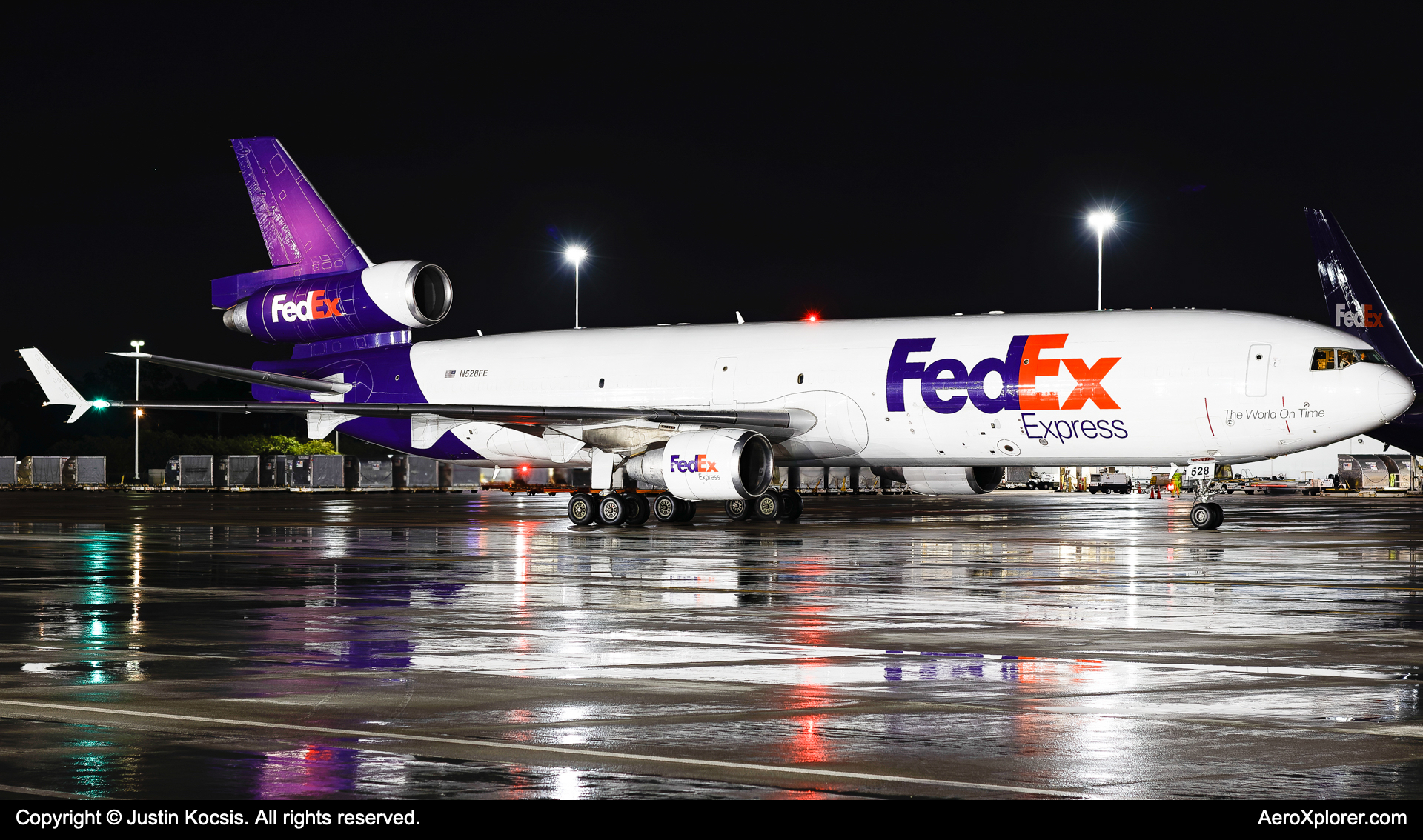
Investments in newer technologies are also impacting FedEx Express’ fleet of cargo aircraft. Much of its current fleet consists of planes designed decades ago, hindering the efficiency of the airline's flight operations. For example, the airline’s fleet of McDonnell Douglas MD-11 jets, on average, is over 30 years old. These aircraft are known as tri-jets; they are equipped with three engines, which results in more fuel consumption per flight.
FedEx Express’ fleet of twin-engine aircraft is also dated. The Boeing 767, which is the backbone of the FedEx fleet, first flew in 1981. Though the airline has taken delivery of newer 767 jets in recent years, its technology and efficiency still trails many next-generation aircraft embraced by passenger airlines.
Some older aircraft types have been retired to modernize the FedEx Express fleet. For example, the McDonnell Douglas DC-10 operated its last revenue flight with the carrier on December 31st, 2022. While the retirement of this trijet does mark progress as FedEx Express works to modernize its fleet, it is worth noting that the MD-11 is an updated version of this aircraft, meaning the airline still has a long way to go to truly evolve in this aspect.
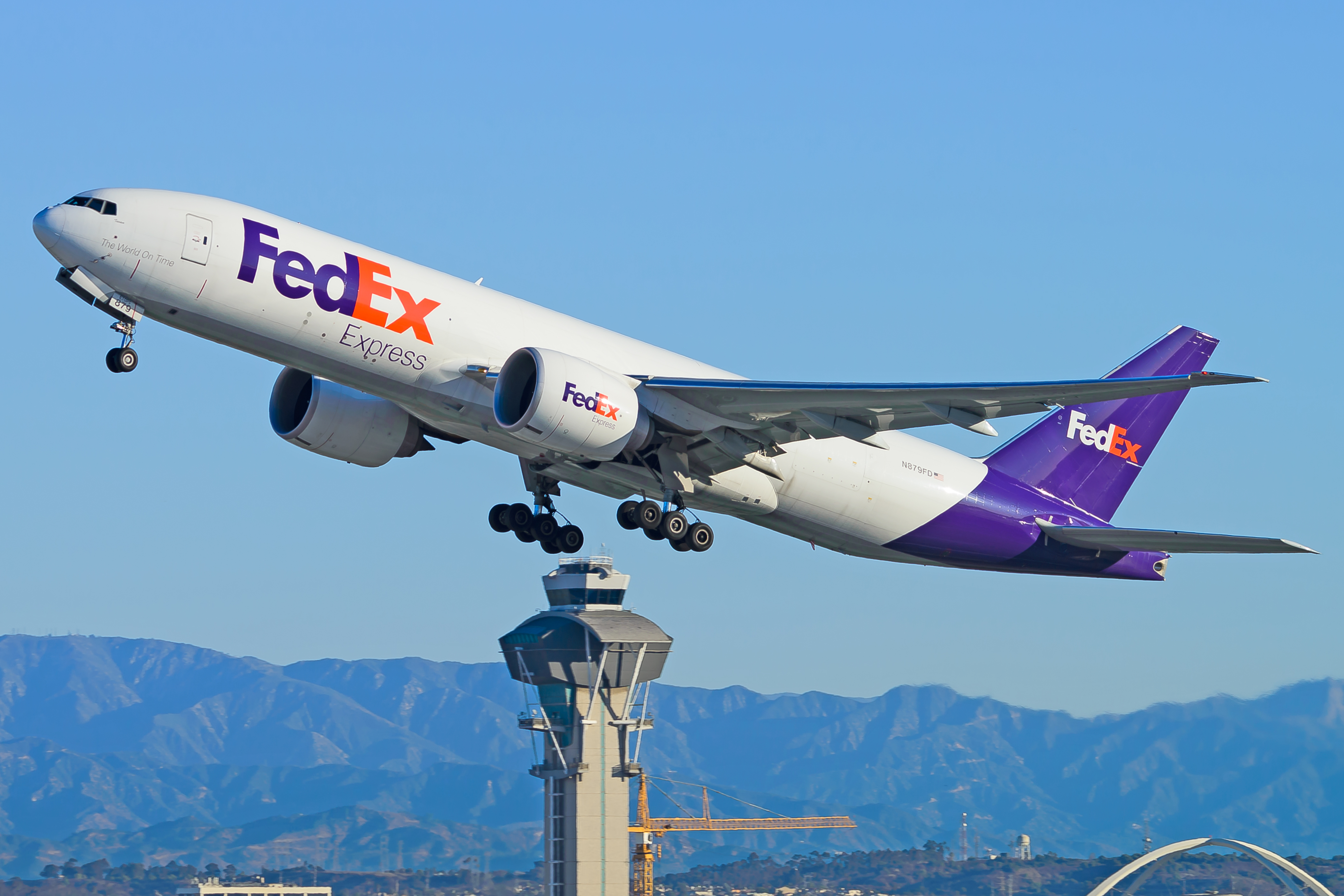
With that in mind, FedEx has made some investments in newer aircraft to improve the capability and efficiency of its fleet. The Boeing 777 Freighter (777F) — the freighter variant of Boeing’s very popular long-haul aircraft — is a more recent addition for FedEx. This jet has the largest cargo capacity of any aircraft at FedEx’s disposal, and has an impressive range that better connects Memphis and other FedEx hubs to the world. FedEx Express received the first of these aircraft in 2009 and made an order for eight more in March 2025. As its fleet continues to age, more updates to FedEx Express’ aircraft orderbook seem inevitable.
FedEx and Memphis Will Evolve As The Industry Changes
Even in post-pandemic years, e-commerce has been embraced by consumers across the world, keeping demand for cargo transportation healthy. While this is good news for FedEx, it does underscore the importance of investing in new infrastructure to support growth. Meanwhile, the cargo firm is facing increasing competition from rivals in the transport industry.
The completion of FedEx’s new, automated sorting facility marked a major milestone in the company’s infrastructure investments in Memphis. In total, the company has spent over $1 billion in recent years to expand its primary hub’s capabilities. These types of investments are likely to maintain Memphis’ title as one of the busiest cargo airports in the world based on tonnes of cargo transported, only trailing Hong Kong International Airport (HKG).

While investments are boosting FedEx’s capabilities, it still faces a strong rivalry with United Parcel Service (UPS), which boasts a similar hub facility in Louisville. The relative geographic proximity between Louisville and Memphis means that both cargo carriers take advantage of similar strengths of the region, including a relatively centralized location towards the center of the United States. FedEx’s investments in Memphis are almost certainly spurred by its rival, though the Memphis-based company does boast a larger aircraft fleet than its competitor.
Amazon Prime Air is another rapidly expanding rival. The e-commerce giant formerly shipped packages via carriers like FedEx and UPS, but in 2015, it decided to launch its own air cargo flights to support its growth. Unlike FedEx and UPS, Amazon Prime Air’s flying was contracted to smaller cargo carriers like Air Transport Services Group, Kalitta Air, and Atlas Air. However, its expanding size makes it an increasingly viable competitor to FedEx in the booming shipping industry. Today, Amazon Prime Air uses 98 aircraft, compared to FedEx Express’ fleet of 467 jets and UPS’ 295 aircraft.
As the air cargo industry evolves, FedEx and its Memphis World Hub have proven to be a critical link in the global supply chain. Recent investments in sorting technology, facilities, and FedEx Express’ fleet of cargo aircraft only strengthen the importance of Memphis Airport to the shipping and logistics industry. With hundreds of flights, over 80 miles of conveyor belts, and millions of packages sorted each year, FedEx’s Memphis hub demonstrates the power of aviation, technology, and the hub and spoke network model.
This content is only available with an AeroXplorer+ subscription.
Why Don’t Airplane Wings Break During Turbulence? » Can AI Fix the Most Tedious Part of Private Jet Charter? » 25 Years After 9/11: How Airline Security Transformed and What Is Changing Once Again »

Comments (0)
Add Your Comment
TAGS
INFORMATIONAL FedEx Cargo Superhub Travel Operations LogisticsRECENTLY PUBLISHED
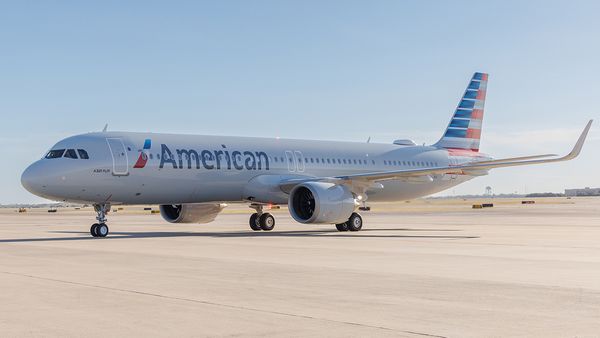 American Airlines Grapples With Faulty Business Class Seats on New Airbus A321XLR Fleet
American Airlines is blocking broken business class suites on its new Airbus A321XLR jets, disrupting premium travelers on transatlantic routes.
NEWS
READ MORE »
American Airlines Grapples With Faulty Business Class Seats on New Airbus A321XLR Fleet
American Airlines is blocking broken business class suites on its new Airbus A321XLR jets, disrupting premium travelers on transatlantic routes.
NEWS
READ MORE »
 NBC NewsChopper 4 Crash in Los Angeles Kills Three, Injures Two While Covering Fatal Bus Collision
An NBC News helicopter crashed in Chatsworth while covering a fatal LA bus collision, killing three and injuring two others in a devastating incident.
NEWS
READ MORE »
NBC NewsChopper 4 Crash in Los Angeles Kills Three, Injures Two While Covering Fatal Bus Collision
An NBC News helicopter crashed in Chatsworth while covering a fatal LA bus collision, killing three and injuring two others in a devastating incident.
NEWS
READ MORE »
 Amazon Suspends Cargo Carrier 21 Air After Deadly Miami Runway Crash
Amazon has halted operations with cargo carrier 21 Air following a Prime Air plane crash near Miami that killed multiple crew members.
NEWS
READ MORE »
Amazon Suspends Cargo Carrier 21 Air After Deadly Miami Runway Crash
Amazon has halted operations with cargo carrier 21 Air following a Prime Air plane crash near Miami that killed multiple crew members.
NEWS
READ MORE »
More than just headlines.
Get unlimited ad-free access to in-depth aviation news, premium stories, and exclusive insights other sites don't cover.
- Ad-free browsing on AeroXplorer
- Unlimited access to premium and exclusive articles
- Higher photo upload limits & commissions on sales
- Free access to Jetstream Magazine on higher tiers
- Ad-free browsing
- Sell aviation photos with 60% commission
- First week free!
- Everything in Basic+
- Unlimited premium articles
- Sell aviation photos with 70% commission
- Free Digital subscription to Jetstream Magazine
- First week free!
- Everything in Basic+ and Pro
- Sell aviaiton photos with 80% commission
- Early access to exclusive stories
- Free Digital+Print subscription to Jetstream Magazine