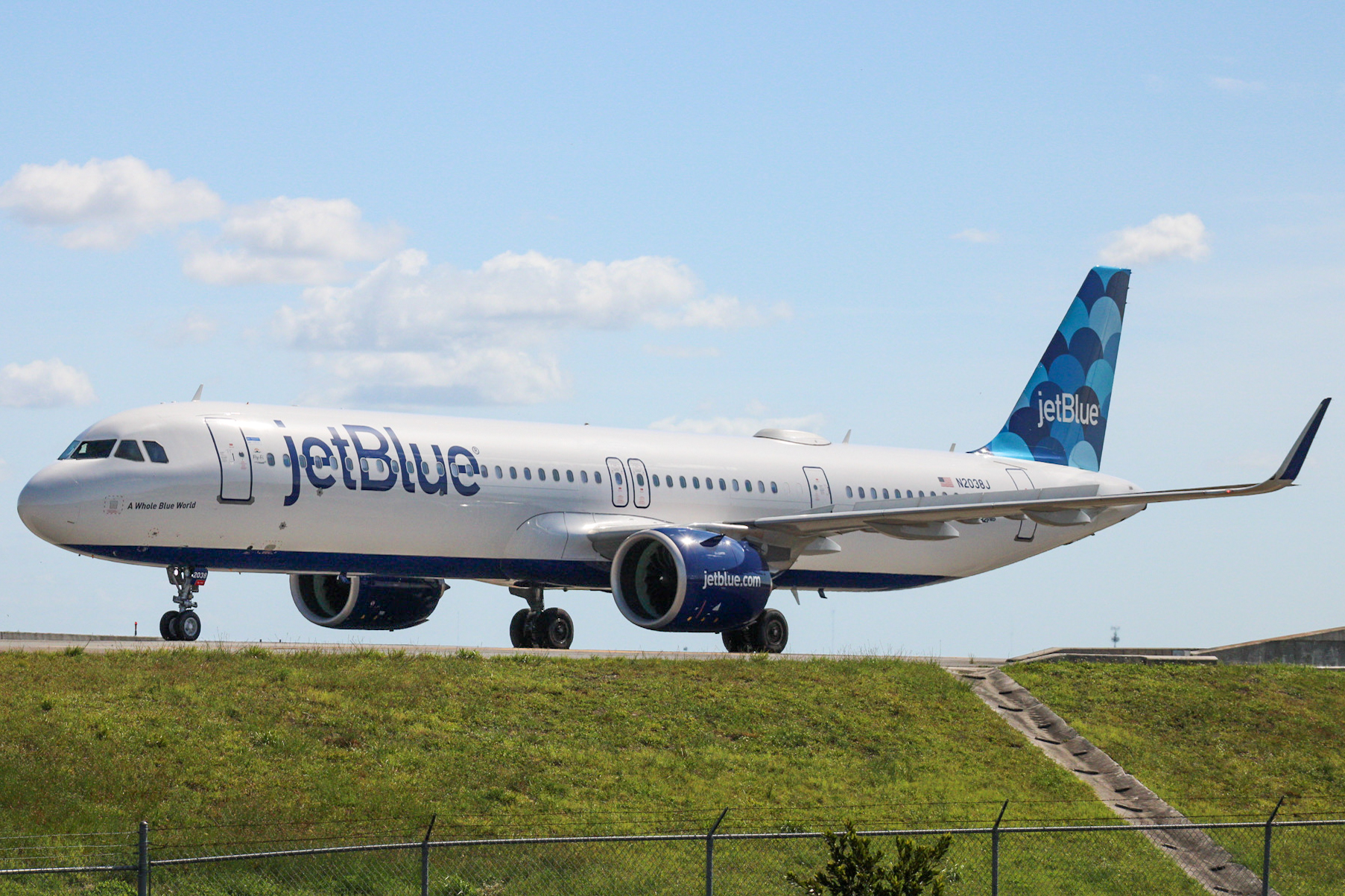

JetBlue Airways has announced a significant change to its in-flight dining service on transatlantic routes. Effective October 1, 2024, the airline ceased offering hot meals in economy class on these flights. This decision aligns with JetBlue's broader cost-cutting initiatives aimed at enhancing profitability.
The carrier has updated its menu, now indicating that "all items served chilled" are available to passengers. This shift marks a departure from JetBlue's previously acclaimed transatlantic catering, which had garnered praise for its quality and customization options, flagged live and let's fly.
JetBlue Ditches Hot Meals
JetBlue's main meal service on transatlantic flights follows a time-based schedule. Passengers receive breakfast on flights departing between 5:00 AM and 9:46 AM local time, while lunch or dinner meals are served for departures from 9:47 AM until 11:59 PM local time.
The new eastbound transatlantic lunch and dinner menu offers a main course choice of a chicken grain bowl or ginger garlic tofu, accompanied by a kale apple salad or green beans. Westbound lunch or dinner options include a pesto pasta salad or mushrooms and lentils, served with a tomato and cucumber salad or buffalo cauliflower.
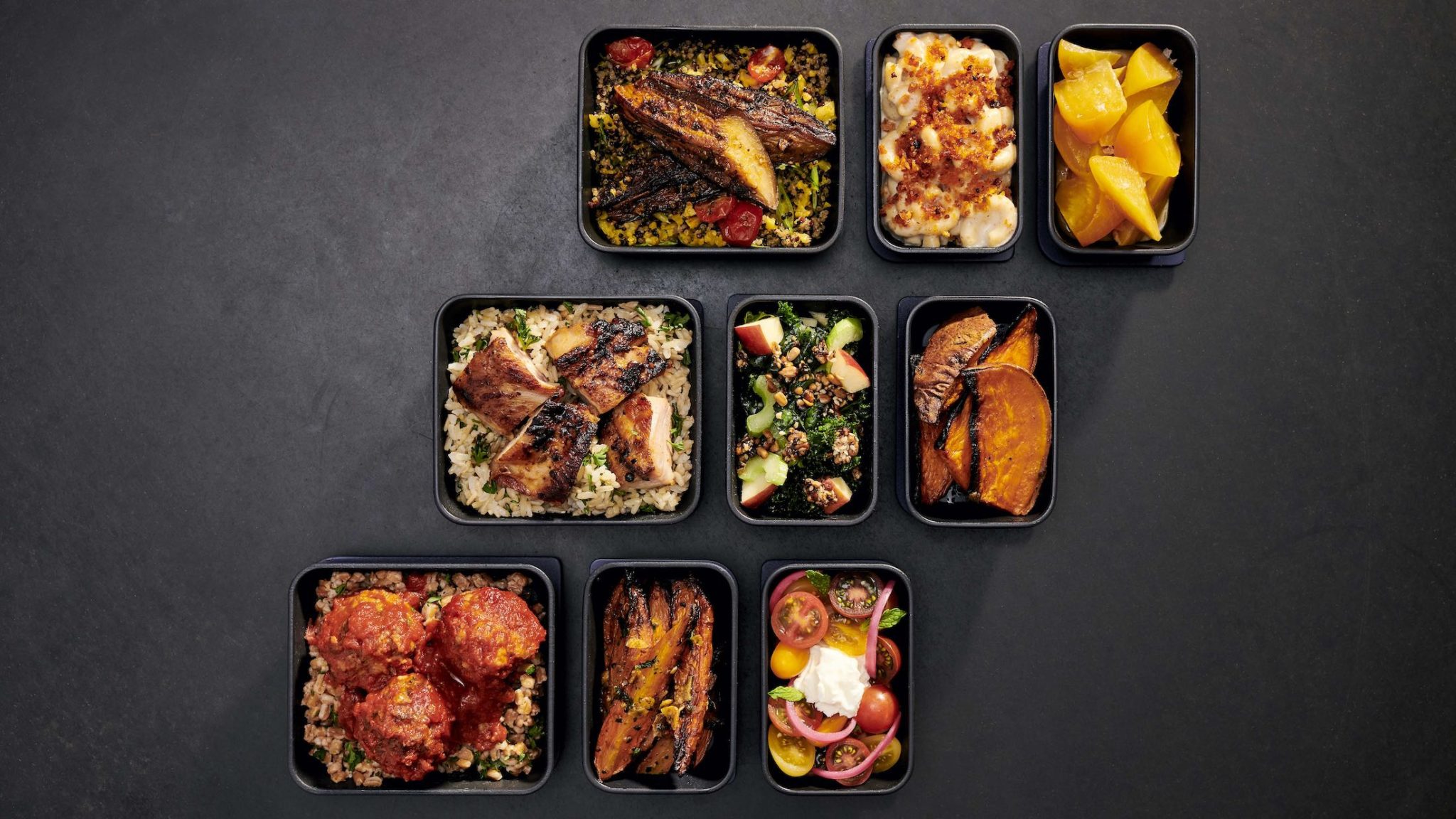
Despite the elimination of hot meals, JetBlue's core meal service will maintain its high level of customization. Passengers can still select their entree and side dish using the airline's seatback touchscreens.
JetBlue entered the transatlantic market in 2021, distinguishing itself with complimentary Wi-Fi and extensive entertainment options.
The airline had partnered with New York-based restaurant group DIG to provide what many considered superior economy-class catering. This dining experience drew inspiration from JetBlue's premium Mint service, offering passengers choices in their meal components.
Cost-Cutting Measures
JetBlue Airways' recent decision to eliminate hot meals in economy class on transatlantic flights is part of a broader cost-reduction strategy. This change, effective October 1, 2024, extends to all aircraft types, including the Airbus A321LRs capable of serving hot meals.
Previously, some JetBlue transatlantic flights operated without hot meal service due to equipment limitations on Airbus A321neo aircraft, which lack ovens in the economy cabin. The new policy standardizes meal service across the fleet.
This dietary shift coincides with JetBlue's recent reduction in flight attendant staffing on select transatlantic flights. The staffing cuts have already impacted the airline's premium Mint service, as reduced crew numbers no longer meet FAA requirements for operating business class suites with closable doors.

Industry analysts suggest the move to cold meals serves a dual purpose. Cold meals typically cost less to produce and store, and the change could help manage the increased workload for the reduced flight crew.
While JetBlue has not officially linked these changes, the timing indicates a coordinated effort to streamline operations and cut costs, reported Aviation A2Z.
Aviation insider JohnNYC has revealed additional information about JetBlue's cost-saving measures.
According to an email from the TWU Union to JetBlue Flight Attendants, the airline is implementing several changes beginning in September. These include offering up to six months of leave of absence (LOA), reducing flying hours, decreasing flight attendant staffing on transatlantic routes, and altering crew pairing arrangements.
Boeing 737 MAX Software Glitch Threatens to Delay MAX 10 Certification Just Days From Finish Line » Alaska Airlines Unveils Aurora Premium Cabins With Lie-Flat Suites and New Lounges » Ryanair Boeing 737 Aborts Takeoff at Alicante Airport, Civil Aviation Commission Launches Investigation »

Comments (0)
Add Your Comment
TAGS
NEWS JetBlue Hot MealsJetBlue Transatlantic FlightsJetBlue Transatlantic Flight MenuJetBlue Transatlantic Flight MealsJetBlue NewsJetBlueRECENTLY PUBLISHED
 IATA's New Passenger Data Shows Global Air Travel Demand Shrinking for the First Time This Year
Global air travel just hit a reverse that has not been seen in months -- the numbers point to something more interesting than a simple slowdown.
INFORMATIONAL
READ MORE »
IATA's New Passenger Data Shows Global Air Travel Demand Shrinking for the First Time This Year
Global air travel just hit a reverse that has not been seen in months -- the numbers point to something more interesting than a simple slowdown.
INFORMATIONAL
READ MORE »
 The $30 Billion Question: Why America's Air Traffic Control Overhaul Keeps Getting More Expensive
The U.S. government is seeking $30 billion more to modernize America’s aging air traffic control system. Explore the rising $42.5 billion price tag, GAO oversight concerns, and where the new funding would go.
INFORMATIONAL
READ MORE »
The $30 Billion Question: Why America's Air Traffic Control Overhaul Keeps Getting More Expensive
The U.S. government is seeking $30 billion more to modernize America’s aging air traffic control system. Explore the rising $42.5 billion price tag, GAO oversight concerns, and where the new funding would go.
INFORMATIONAL
READ MORE »
 Embraer Posts Record 66 Aircraft Deliveries in Q3 2026 as Commercial Jets Climb 10%
Embraer delivered 66 aircraft in Q3 2026, its strongest third quarter on record, with commercial jets up 10% and business jets rising 41%.
NEWS
READ MORE »
Embraer Posts Record 66 Aircraft Deliveries in Q3 2026 as Commercial Jets Climb 10%
Embraer delivered 66 aircraft in Q3 2026, its strongest third quarter on record, with commercial jets up 10% and business jets rising 41%.
NEWS
READ MORE »
More than just headlines.
Get unlimited ad-free access to in-depth aviation news, premium stories, and exclusive insights other sites don't cover.
- Ad-free browsing on AeroXplorer
- Unlimited access to premium and exclusive articles
- Higher photo upload limits & commissions on sales
- Free access to Jetstream Magazine on higher tiers
- Ad-free browsing
- Sell aviation photos with 60% commission
- First week free!
- Everything in Basic+
- Unlimited premium articles
- Sell aviation photos with 70% commission
- Free Digital subscription to Jetstream Magazine
- First week free!
- Everything in Basic+ and Pro
- Sell aviaiton photos with 80% commission
- Early access to exclusive stories
- Free Digital+Print subscription to Jetstream Magazine