Night vision goggles (NVG) technology aids the aircrew in seeing through low-light conditions, whether inside the cockpit or from an external view. NVGs enhance the pilot's visibility in the dark to navigate safely at night.
Enhanced Visibility by the Best Night Vision Goggles
While pilots fly comfortably at low altitudes during the day, flying through buildings and hilly areas at night might be risky. Night vision goggles help pilots see their cockpit instruments and external views more clearly in the dark.
When Did Civilian Pilots Use NVG First?
Before 1999, night-vision goggles (or night-vision glasses) were used for military purposes. On Jan. 29, 1999, the Federal Aviation Administration (FAA) issued the first Supplemental Type Certificate (STC) to use night vision goggles for civilian helicopters. Since then, commercial pilots have used this technology effectively to enhance their visibility in the dark.
How Do Night Vision Goggles Work?
Two types of night vision technology—image enhancement and thermal imaging— exist. Image enhancement is widely used in aviation. Night-vision goggles use image enhancement technology to collect and amplify available light, allowing pilots to see clearly through the dark.

Night-vision equipment includes monoculars or binoculars. However, in aviation, pilots typically use binocular, helmet-mounted equipment. The technology works efficiently for dim light sources such as external moonlight and instrument lights inside the cockpit.
Night Vision Goggles Advantages in Aviation
Improved safety, better situational awareness and enhanced navigation are the significant advantages of this technology. NVGs improve operational safety by facilitating aircrews to have better internal and external views at night. Hence, pilots can be better aware of their surroundings, specifically during takeoff, landings, and low-altitude flying.
SAS Hosts Air-to-Ground CS:GO Match at 30,000 Feet via Starlink » Avelo’s Fleet Downsizing, Base Closures, and Exit from ICE Charter Sector Signal a New Era of Efficiency » Emirates Expands Premium Economy to 84 Routes »

Comments (0)
Add Your Comment
SHARE
TAGS
INFORMATIONAL AviationAviation weather Night vision goggles night vision glassesMilitary grades night vision gogglesBest night vision goggles SafetyFlight safetyRECENTLY PUBLISHED
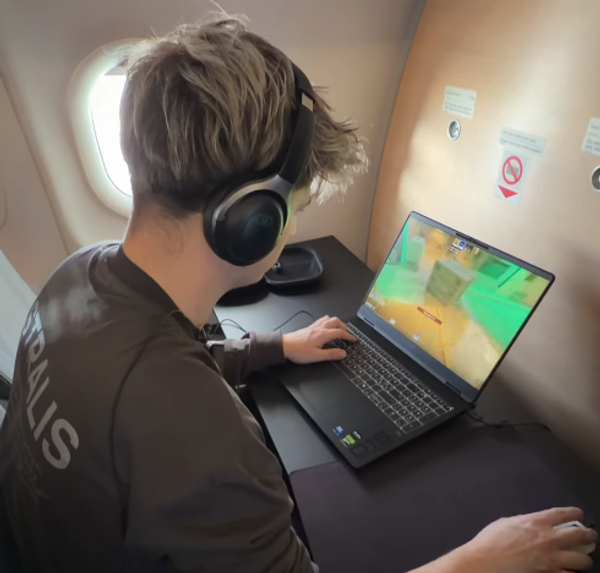 SAS Hosts Air-to-Ground CS:GO Match at 30,000 Feet via Starlink
On January 14, to prove the low-latency capabilities of the SpaceX-powered system, the airline hosted a live multiplayer Counter-Strike video game tournament at 30,000 feet.
NEWS
READ MORE »
SAS Hosts Air-to-Ground CS:GO Match at 30,000 Feet via Starlink
On January 14, to prove the low-latency capabilities of the SpaceX-powered system, the airline hosted a live multiplayer Counter-Strike video game tournament at 30,000 feet.
NEWS
READ MORE »
 Student Education as a Pathway to an Aviation Career
Explore how to become a pilot through aviation degree programs and flight school. Learn about requirements, costs, and career options.
INFORMATIONAL
READ MORE »
Student Education as a Pathway to an Aviation Career
Explore how to become a pilot through aviation degree programs and flight school. Learn about requirements, costs, and career options.
INFORMATIONAL
READ MORE »
 EVA Air to Launch Nonstop Flights to Washington-Dulles
EVA Air confirmed on January 12 that it will launch its first nonstop service between Taipei and Washington-Dulles International Airport in July 2026.
ROUTES
READ MORE »
EVA Air to Launch Nonstop Flights to Washington-Dulles
EVA Air confirmed on January 12 that it will launch its first nonstop service between Taipei and Washington-Dulles International Airport in July 2026.
ROUTES
READ MORE »